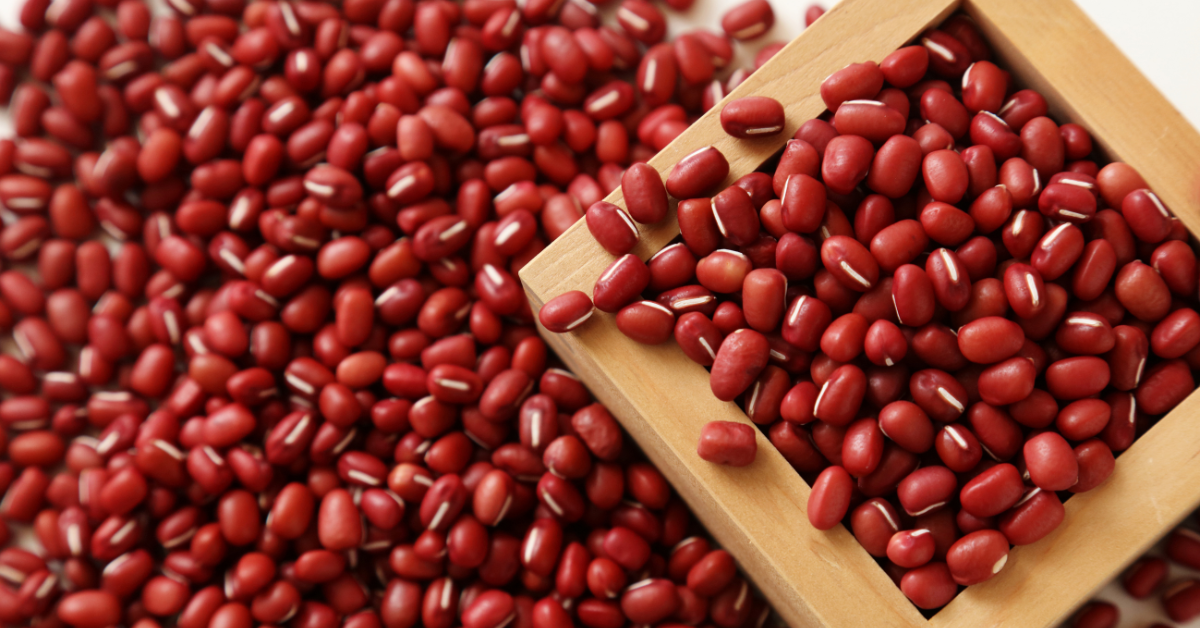


Azuki, the small red bean deeply rooted in Japanese life, is more than just an ingredient. It carries meanings of happiness, health, and protection that have been cherished for centuries. From traditional sweets to celebratory dishes, azuki represents the soul of Japan’s cuisine and the beauty of its seasonal traditions. In this article, we’ll explore how this humble bean embodies the spirit and symbolism of Japan that continue to fascinate the world.
What Is Azuki?
A Red Bean That Supports Japanese Tradition
Since ancient times, azuki has been regarded in Japan as a sacred bean. Its red color symbolizes purification and protection from evil, and it was often used in ceremonies and rituals during the Heian period. Even today, it appears in celebrations such as New Year’s and Setsubun (the seasonal festival). The red hue represents life, vitality, and renewal, embodying the wishes and prayers of Japanese people throughout history.
| Item | Description |
|---|---|
| Name | Azuki (Red Bean) |
| Scientific Name | Vigna angularis |
| Origin | East Asia |
| Main Uses | Wagashi, red rice (sekihan), zenzai (sweet soup) |
| Flavor | Mild sweetness and roasted aroma |
| Symbolic Meaning | Protection, celebration, happiness |
For centuries, azuki has been considered a symbolic food representing happiness and prosperity. It remains a vital part of Japanese family events, appearing at New Year’s feasts, weddings, and milestone celebrations, preserving its deep cultural and emotional significance.
―――――――――――――――――――――
How Azuki Is Used and Its Cultural Role in Japan
The Heart of Japanese Sweets
Azuki is the soul of traditional Japanese confectionery. The sweet red bean paste (anko) made by simmering azuki beans with sugar is used in countless wagashi, such as manju, dorayaki, and monaka. Depending on the preparation, it takes on different forms:
| Type of Anko | Characteristics | Common Uses |
|---|---|---|
| Tsubuan | Beans remain whole for a rich texture | Dorayaki, Ohagi |
| Koshian | Smooth and refined texture | Manju, Yokan |
| Shiroan | Made from white beans with a mild taste | Nerikiri, high-grade sweets |
Wagashi expresses not only flavor but also Japan’s appreciation for the seasons and nature. From cherry blossom mochi in spring to chilled yokan in summer, azuki brings seasonal beauty and poetic sensibility to the Japanese table.
Azuki in Celebrations and Ceremonies
Azuki is indispensable in Japanese celebrations. The most iconic dish is sekihan (red rice), where its red color signifies joy and serves as a charm against misfortune. Since ancient times, red has been associated with the sun and life energy. Azuki dishes are served at weddings, coming-of-age ceremonies, and births, carrying wishes for long-lasting happiness. During the cold months, sweet red bean soups such as zenzai and oshiruko warm both body and spirit, symbolizing family togetherness.
| Occasion | Dish | Meaning |
|---|---|---|
| New Year | Azuki Porridge | Warding off evil, wishing health |
| Coming-of-Age, Wedding | Sekihan | Symbol of joy and prosperity |
| Winter Solstice | Zenzai, Oshiruko | Prayers for health and family unity |
―――――――――――――――――――――
Azuki’s Global Spread
Known Worldwide as “Azuki”
Beyond Japan, azuki — often called “Azuki” or “Adzuki Bean” — has become familiar across Asia and is gaining popularity in the West. With rising health awareness, people see azuki as a natural, plant-based superfood. In the U.S. and Europe, azuki appears in vegan desserts and wellness-focused foods, including azuki ice cream, pastries, and energy bars, symbolizing how Japanese flavor blends seamlessly with global food culture.
| Country/Region | Local Name | Typical Use |
|---|---|---|
| Japan | Azuki | Anko, Sekihan |
| China | Hongdou (紅豆) | Porridges, Soups |
| Korea | Pat (팥) | Patbingsu (red bean shaved ice) |
| U.S. & Europe | Azuki Bean | Vegan sweets, healthy snacks |
A Superfood Celebrated for Its Health Benefits
Azuki is packed with plant protein, fiber, iron, vitamin B, and antioxidants. It is low in fat and highly digestible, making it ideal for a balanced diet. In recent years, sugar-free azuki dishes and smoothies have become popular among health-conscious consumers. Its polyphenol content contributes to anti-aging and detox effects, enhancing its image as a clean, natural food.
| Nutrient | Health Benefit |
|---|---|
| Protein | Supports metabolism and muscle maintenance |
| Fiber | Promotes digestion and detoxification |
| Polyphenols | Provides antioxidant and anti-aging effects |
| Iron | Prevents anemia and boosts energy |
| Vitamin B Complex | Improves skin and energy metabolism |
―――――――――――――――――――――
The Spiritual Meaning of Azuki in Japan
The Symbolism in Its Color and Form
The red hue of azuki carries the meaning of life, vitality, and protection. Since ancient times, Japanese people have believed that eating red foods brings good fortune and health. The aroma and warmth of simmering azuki beans evoke a sense of nostalgia and comfort — a reminder of home, family, and community. Through azuki, one can sense how Japanese spirituality and daily life are beautifully intertwined.
Blending Tradition with Modern Food Culture
Today, azuki continues to evolve. Modern cafés in Japan serve azuki lattes, pancakes, and parfaits, loved by younger generations. Creative chefs also combine azuki with chocolate, milk, and matcha to create innovative desserts that bridge traditional and modern culinary styles. In this way, azuki connects Japan’s history with its contemporary food culture, remaining both timeless and ever-evolving.
―――――――――――――――――――――
Conclusion
Azuki is more than a bean — it is a reflection of Japan’s culture, heart, and spirit.
Its red color embodies protection and vitality, while its sweetness represents comfort and warmth. From ancient rituals to modern cafés, azuki has remained an essential part of Japanese life. Today, it transcends borders as a symbol of “Japanese taste” loved around the world.
Understanding the meaning behind azuki and its role in Japanese cuisine offers an intimate glimpse into Japan’s traditions, spirituality, and love for harmony. In every small red bean lies the essence of gratitude, happiness, and cultural depth — a flavor that continues to connect people across generations and nations.