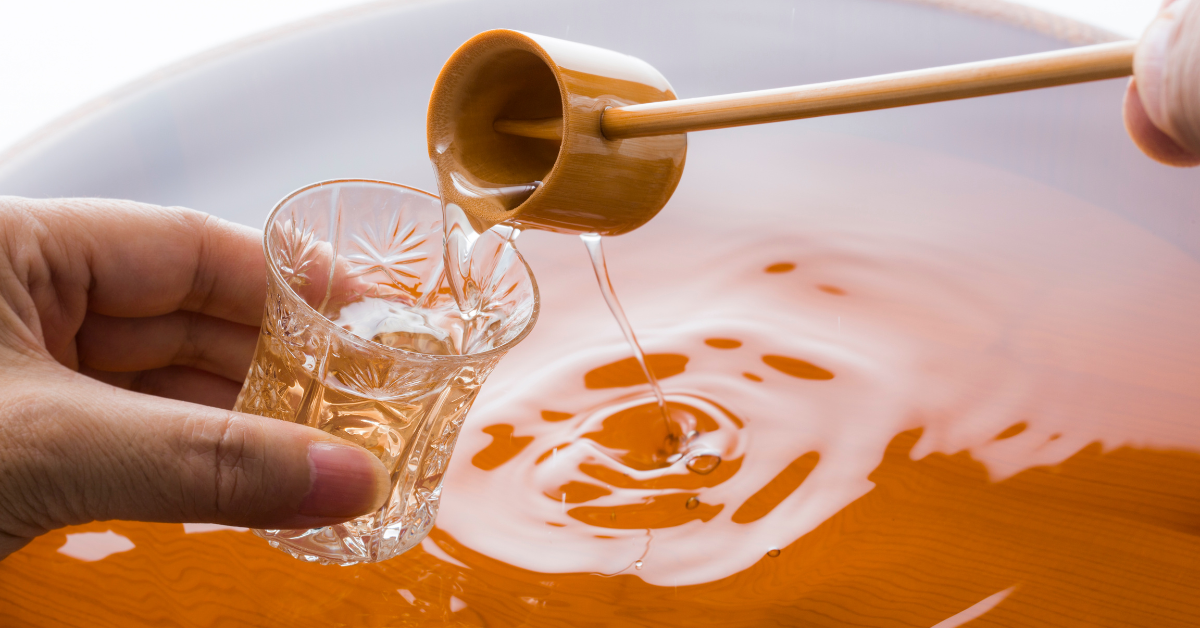


Mirin is a traditional Japanese seasoning made from fermented rice and is widely used to create balance and depth in Japanese dishes. Its natural sweetness and ability to add a glossy finish make it essential in both home cooking and professional kitchens. Understanding its features helps cooks recreate authentic Japanese flavors anywhere in the world.
What mirin is
Mirin is a traditional Japanese seasoning made mainly from glutinous rice and rice koji. Through slow fermentation, it develops a complex sweetness unlike other sweeteners. This sweetness softens strong flavors such as saltiness or soy sauce and helps balance the overall taste.
Mirin has a mild and natural sweetness that is different from sugar.
It is widely used in simmered dishes, grilled dishes, and sauces, forming the foundation of many Japanese recipes.
Main types of mirin
Table of mirin types
| Name | Alcohol content | Flavor | Common uses |
|---|---|---|---|
| Hon mirin | Contains alcohol | Deep sweetness and aroma | Simmered dishes Glazing |
| Mirin style seasoning | No alcohol | Light and clean sweetness | Home cooking |
| Fermented seasoning | Small amount of alcohol | Closer to hon mirin | Dishes requiring heating |
Hon mirin has richer aroma and depth, giving dishes a more refined finish.
Mirin style seasoning is affordable and easy to use, and it is commonly available outside Japan.
Effects mirin brings to cooking
Summary table of effects
| Effect | Description |
|---|---|
| Adds sweetness | Fermentation based sweetness balances the dish |
| Creates gloss | Natural sugars caramelize when heated and create shine |
| Harmonizes flavor | Softens strong salty or soy flavors |
| Reduces odor | Alcohol helps remove unwanted smells from meat or fish |
Mirin has the ability to enhance appearance and taste, especially through gloss and flavor harmony.
How to use mirin
Table of common uses
| Dish | Role of mirin |
|---|---|
| Simmered dishes | Adds depth and mild sweetness to harmonize the flavor |
| Teriyaki | Creates shine and enhances aroma |
| Sukiyaki | Adds sweetness and body to the broth |
| Egg dishes | Provides gentle sweetness and a moist texture |
Its role differs by dish. In simmered dishes mirin rounds the taste, while in teriyaki it transforms the appearance.
Common questions from international users
Table of questions and answers
| Question | Answer |
|---|---|
| Is the sweetness strong | Milder and more natural than sugar |
| Does alcohol remain | Most evaporates during heating |
| Can it be found outside Japan | Available at Asian grocery stores |
| Which type should be chosen | Hon mirin provides the richest flavor |
The sweetness is gentle and helps unify the overall taste rather than overpowering it.
Additional points to improve cooking results
Mirin affects not only sweetness but also the color and aroma of a dish. Simmered dishes gain a clear and beautiful tone, while teriyaki achieves a glossy surface. This gloss appears because the natural sugars in mirin react to heat.
In Japanese cuisine, appearance is regarded as part of the flavor, making mirin important for presentation as well.
Fermentation based sweetness blends smoothly with soy sauce and dashi. For instance, in simmered fish, mirin prevents the flavor from becoming harsh and results in a round and balanced finish.
Mirin is increasingly used in cooking around the world. When added to marinades, it softens meat and adds a refined aroma. When used with roasted vegetables, it enhances the natural sweetness and introduces new flavor combinations.
Conclusion
Mirin adds sweetness, gloss, aroma, and harmony to dishes, forming a core part of Japanese cooking.
Different types have different characteristics, and selecting the right one strongly influences the final flavor.
It is becoming easier to purchase worldwide, allowing home cooks everywhere to recreate Japanese flavors.
Mirin can significantly change the impression of a dish and is valuable for both everyday meals and authentic Japanese cooking.