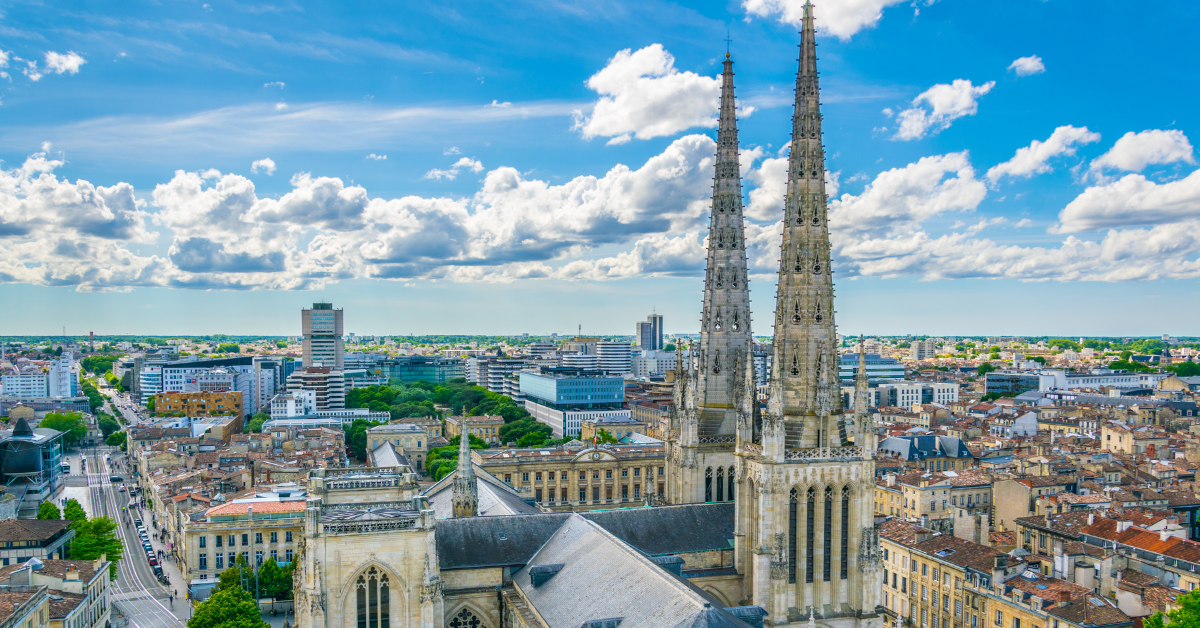


The French city of Bordeaux is written in kanji as 波爾多, a form shaped by Japan’s long tradition of phonetic transcription. For many Japanese people, this kanji evokes not only the elegance of Bordeaux’s wine culture but also the powerful energy of its sports identity, represented by its football and rugby clubs. In this article, we examine how the kanji captures the city’s essence and how Japanese perceptions blend history culture and athletic passion into one image of Bordeaux.
The Origins of the Kanji Spelling 波爾多
Japan has long used kanji to phonetically represent foreign place names, prioritizing sound over literal meaning. 波爾多 (Bordeaux) emerged from this tradition, with each character chosen for its phonetic closeness and visual harmony. The character 波 gives a soft, flowing impression, while 爾 and 多 complete the sound pattern in a rhythm familiar to Japanese readers. Beyond mere phonetics, such transliterations reflect the Japanese aesthetic of valuing the beauty and atmosphere of written characters.
────────────────────────
Bordeaux and the Deeply Rooted Wine Culture in Japan
In Japan, Bordeaux wine occupies a special place. It is often regarded as refined, trustworthy and suitable for gifts, owing to its long-established reputation. Japanese wine lovers appreciate Bordeaux not only for its flavors but for the stories, landscapes and traditions behind each bottle. This emotional richness makes Bordeaux particularly meaningful to Japanese consumers.
──────────
Common Impressions Japanese People Have About Bordeaux
| Category | Impression |
|---|---|
| Cultural identity | A region with a mature and prestigious wine culture |
| Quality | Reliable quality and depth of flavor |
| Gift value | A refined choice for special occasions |
| Cityscape | A harmonious blend of history and architectural beauty |
| Accessibility | Easy for beginners to choose and enjoy |
──────────
Bordeaux wines enjoy enduring popularity thanks to the diversity of grape varieties and the distinctiveness of the terroir. The long history of winemaking, along with research-driven improvements and established classification systems, gives Japanese consumers confidence.
──────────
Reasons Bordeaux Wines Are Favored in Japan
| Factor | Description |
|---|---|
| Depth of flavor | Complex blends of multiple grape varieties |
| Historical richness | Centuries of winemaking traditions |
| Reliability | Quality supported by classification standards |
| Emotional value | Seen as a symbol of celebration and refinement |
──────────
────────────────────────
Bordeaux as a Vibrant Sports City
While famous as a wine capital, Bordeaux is also home to passionate sports culture. Football and rugby clubs are deeply rooted in the community, and match days bring excitement and unity to the city. Visitors often enjoy both wine experiences and live sports, making Bordeaux a uniquely dynamic destination. The coexistence of these cultural elements resonates strongly with Japanese travelers, who often appreciate cities where daily life and cultural activities blend seamlessly.
──────────
Sports Culture Embedded in Bordeaux
| Category | Description |
|---|---|
| Major sports | Football and rugby |
| Local identity | Strong loyalty to local clubs |
| Tourism synergy | Sports viewing combined with wine touring |
| City energy | Entire city becomes lively on match days |
──────────
Travelers often comment on the richness of Bordeaux as a destination where quiet walks along historic streets coexist naturally with the excitement of stadiums. Museums, wineries and riverside views create a well-rounded travel experience.
──────────
Reasons Travelers Find Bordeaux Appealing
| Perspective | Reason |
|---|---|
| Cultural experiences | Wine museum visits and winery tours |
| Sports events | International matches and energetic local games |
| Urban scenery | Historic old town and scenic riverbanks |
| Food culture | Local dishes that pair beautifully with wine |
──────────
────────────────────────
The Emotional Appeal of Bordeaux for Japanese People
The word “Bordeaux” evokes imagery of deep red wine, stone streets and quiet evening lights. The kanji 波爾多 visualizes this elegance in a uniquely Japanese way. Because Japanese culture values background stories and sensory richness, Bordeaux’s history and atmosphere become part of the experience itself. The coexistence of calm wine culture and high-energy sports further enhances Bordeaux’s charm, offering visitors a balanced and memorable encounter.
────────────────────────
Conclusion
波爾多 is a kanji transcription shaped by Japan’s phonetic traditions. Today, Bordeaux stands before Japanese audiences as a city where wine culture sports and history merge into a single compelling identity. Its depth of flavor dynamic sports scene and timeless beauty continue to attract interest. Bordeaux will doubtless remain a beloved destination for Japanese people, offering multifaceted experiences that go far beyond wine alone.