

Miyazaki Jingu is deeply tied to ancient Japanese mythology, making it a meaningful place for understanding the symbolic elements found in Demon Slayer. Visitors often feel a striking connection between the shrine and the series through themes such as the power of the sun, the purity of fire, and the ancestral myths of Hyuga.
Miyazaki Jingu Overview
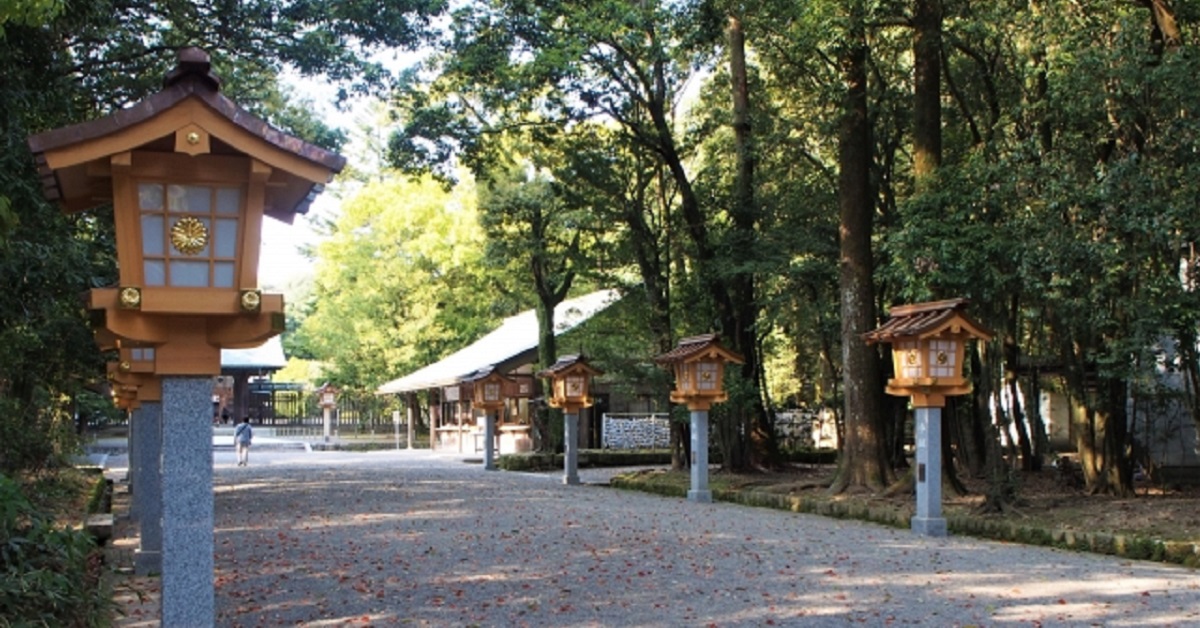
Miyazaki Jingu is an ancient shrine enshrining Emperor Jimmu, the first emperor according to legend. Hyuga, where the shrine stands, is central to Japanese mythology and is said to be the place from which the imperial lineage connected to the sun goddess set out toward the east. Surrounded by forests and a long, peaceful approach, the shrine remains a culturally important site that continues to convey the essence of ancient mythology.
The scenery changes with each season, and the gentle light filtering through the trees creates a calm and sacred environment. Because of its historical and spiritual depth, many people visit not only for sightseeing but also to find peace and clarity.
Basic Information about Miyazaki Jingu
| Category | Details |
|---|---|
| Main Deity | Emperor Jimmu |
| Location | Jingu, Miyazaki City, Miyazaki Prefecture |
| Feature | Deep connection to Hyuga mythology |
| Atmosphere | A quiet forest with a wide, tranquil approach |
────────────────────────
Connection between Demon Slayer and Miyazaki Jingu
Demon Slayer is filled with symbolism related to the sun and fire. The fact that demons perish in sunlight and that the protagonist uses flame-based breathing techniques reflects motifs closely linked to Japan’s solar mythology. Miyazaki Jingu honors Emperor Jimmu, a descendant of the sun goddess, making the shrine a place where myth and the story’s symbolic elements naturally align.
The interplay of light and shadow within the shrine grounds often reminds fans of scenes from the series. Because the land itself is rooted in mythology, visitors can feel an overlap between the fictional world and real historical traditions.
Key Similarities with Demon Slayer
| Item | Description |
|---|---|
| Sun | Symbol shared with Nichirin Blades and Hinokami Kagura |
| Fire | Purifying and renewing power in both the series and mythology |
| Historical Background | Emperor Jimmu and the solar lineage |
| Environment | Rich expressions of natural light on the shrine grounds |
────────────────────────
The Nichirin Blade and Solar Symbolism
The Nichirin Blade represents the power of the sun, which is essential for defeating demons. In ancient Japan, the sun was revered as the source of life, prosperity, and purification. Hyuga is believed to be the land where the solar bloodline continued, which naturally creates parallels between the blade’s symbolism and the region’s mythology.
Light passing through the trees changes constantly with the time of day and season. This natural display reinforces the significance of the sun and enhances the understanding of why sunlight holds such power in the series.
Symbolic Meanings of the Sun
| Symbol | Explanation |
|---|---|
| Rebirth | Illuminates darkness and creates new beginnings |
| Purification | Cleanses and repels evil |
| Lineage | Central symbol of the imperial heritage |
| Guidance | A force that shows the correct path forward |
────────────────────────
Hinokami Kagura and Its Mythological Roots
Hinokami Kagura is portrayed as a ritual dance embodying flames and solar power. This parallels traditional kagura, dances dedicated to the gods since ancient times. Fire has long been considered a sacred and transformative power in Japanese mythology, symbolizing strength, protection, and renewal. In the Hyuga region, traditional fire-related kagura is still performed, preserving the cultural connection between fire and the divine.
Given that Miyazaki Jingu is a shrine tied to the imperial lineage of the sun goddess, it has long been associated with rituals involving fire and light. Understanding this background deepens the symbolic significance of Hinokami Kagura as portrayed in the series.
Relationship between Kagura Culture and Hyuga Mythology
| Item | Description |
|---|---|
| Fire Symbolism | Represents energy that opens new paths |
| Role of Dance | A form of prayer offered to the gods |
| Hyuga Traditions | Ancient fire rituals still preserved |
| Symbolic Structure | Parallels to fire motifs in the series |
────────────────────────
Nature and Light at Miyazaki Jingu
One of Miyazaki Jingu’s greatest charms is the delicate balance between nature and light. As visitors walk the approach, sunlight filtering through the trees creates shifting patterns on the ground. Seasonal changes bring entirely different atmospheres: soft spring light, vibrant summer reflections, and warm autumn hues.
Time of day also alters the scenery dramatically. Morning light brings clarity and freshness, while evening light fills the grounds with golden tones and long shadows. These natural effects resonate strongly with the symbolic representations of light found throughout Demon Slayer, making the experience uniquely immersive for fans.
Attractions Experienced at Miyazaki Jingu
| Item | Description |
|---|---|
| Light Scenery | Beautiful lighting that changes with the seasons |
| Tranquility | A calming forest environment |
| Mythology | Land filled with living ancient stories |
| Connection to the Series | Natural elements that evoke the story’s symbolism |
────────────────────────
Conclusion
Miyazaki Jingu is an ancient shrine dedicated to Emperor Jimmu and stands at the heart of Hyuga mythology. Its deep ties to the sun and fire align closely with the symbolism woven throughout Demon Slayer. The natural blend of shifting light, sacred atmosphere, and rich mythology makes the shrine a place where visitors can feel a profound connection to the story’s themes. For fans wishing to understand the deeper layers behind the series, Miyazaki Jingu is a destination of exceptional meaning.