

In Japanese, the French city of Nancy is commonly written in katakana as ナンシー.
There is no official kanji representation, although the Chinese transliteration “南錫” exists.
This article explores the linguistic and cultural implications of this naming, while highlighting the image of Nancy as a cultural capital of Art Nouveau in the eyes of Japanese people.
What is Nancy? Geography and Cultural Background
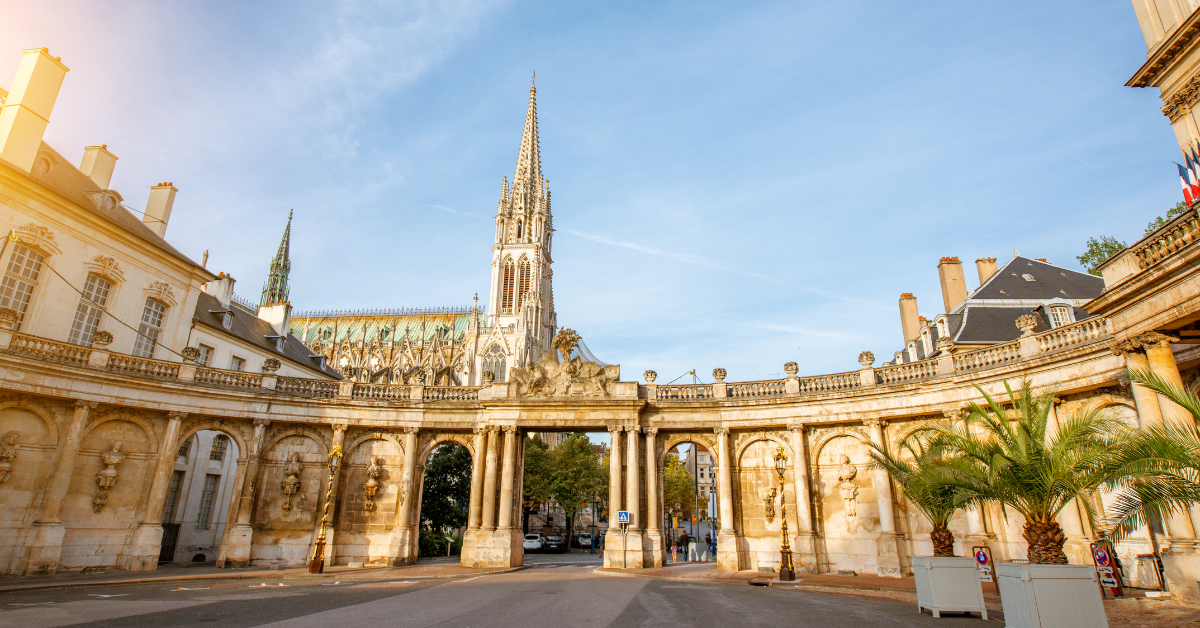
Located in northeastern France in the Lorraine region, Nancy is a city with a long medieval history. Landmarks like Place Stanislas have earned UNESCO World Heritage status, and the city is known for its beautifully preserved 18th-century architecture and urban layout that continues to impress visitors.
| Feature | Description |
|---|---|
| Location | Lorraine region, France |
| Population | Around 100,000 (varies) |
| World Heritage | Place Stanislas (registered in 1983) |
| Architecture | Baroque, Rococo, Art Nouveau |
| Art Movement | École de Nancy (central in Art Nouveau development) |
Nancy is also known as an academic hub centered around the University of Lorraine, embodying the qualities of a “city of knowledge.”
Is There a Kanji Representation for “Nancy”?
There is no official kanji representation for “Nancy” in Japanese. Foreign place names are usually represented in katakana, which reflects their pronunciation while avoiding confusion in meaning.
| Style | Example | Treatment in Japanese |
|---|---|---|
| Katakana | ナンシー | Standard and widely used in maps, media |
| Chinese Characters | 南錫 | Phonetic transliteration; rarely used in Japanese |
| Phonetic Kanji | 難詩, etc. | Forced and semantically unnatural |
Katakana notation is the most appropriate form, preserving pronunciation and avoiding semantic misinterpretation.
The Origin of the Chinese Transliteration “南錫”
In Chinese, foreign names are often phonetically transliterated using similar-sounding characters. “Nancy” becomes “南錫,” combining “南” (south) and “錫” (tin), chosen solely for their sound rather than meaning.
| Language | Notation | Phonetic Basis | Usage in Japanese |
|---|---|---|---|
| Chinese | 南錫 | Closely mimics “Nancy” | Very low |
| Japanese | ナンシー | Direct sound replication | Standard |
| French | Nancy | Original name | Recognized in Latin script |
Understanding this distinction offers insight into the flexible and varied ways languages adapt foreign terms.
Kanji Usage for Place Names in Japanese
Foreign place names are usually rendered in katakana in Japanese, a convention established during the Meiji period and still used in academia, journalism, and education.
| Place Name | Katakana | Kanji Form |
|---|---|---|
| London | ロンドン | None |
| New York | ニューヨーク | None |
| Nancy | ナンシー | None |
| Washington | ワシントン | None |
| Paris | パリ | None |
Using kanji for foreign places is avoided to prevent misinterpretation and ensure phonetic clarity.
How Japanese People Perceive Nancy
Although Nancy is not widely mentioned in everyday Japanese life, it holds strong appeal in the arts and culture sphere. Art Nouveau pieces, especially those by Émile Gallé, are widely admired and frequently featured in Japanese museums and exhibitions.
| Perspective | Japanese Impressions |
|---|---|
| Arts | École de Nancy, Gallé works, decorative arts |
| Architecture | Curved motifs, nature-based aesthetics |
| Academia | University of Lorraine |
| Travel | Historic city in French travel guides |
| Media | Frequently featured in art-related articles |
Nancy is seen as a “city of intellect and beauty” by those familiar with its cultural offerings.
Nancy from a Sports Perspective
Nancy is not just a cultural city but also plays a key role in local sports. The professional football club AS Nancy Lorraine is a symbolic presence that connects deeply with the community.
| Category | Details |
|---|---|
| Club Name | AS Nancy Lorraine |
| Founded | 1967 |
| League | French Ligue 2 |
| Stadium | Marcel Picot Stadium |
| Notable Player | Michel Platini (former French national) |
Sports contribute to shaping the city’s identity, and Nancy is no exception. Match days bring residents together, energize the city, and promote youth development and regional vitality.
Nancy as a Tourist Destination
Beyond arts, Nancy is a fascinating tourist city. Its compact size, walkable layout, and wealth of attractions make it a comfortable destination for travelers.
| Attraction | Description |
|---|---|
| Place Stanislas | UNESCO-listed harmonious urban square |
| Musée des Beaux-Arts de Nancy | Features École de Nancy and European classics |
| Musée de l’École de Nancy | Dedicated to Art Nouveau with Gallé and Majorelle works |
| Pépinière Park | Large urban park ideal for families |
| Art Nouveau buildings | Scattered throughout the city; ideal for walking tours |
Nancy harmonizes tourism, art, and daily life, offering a multifaceted appeal.
Conclusion
There is no official kanji form for the name Nancy in Japanese, and katakana is the standard form used. While the Chinese transliteration “南錫” exists, it is not used in Japanese writing systems.
However, Nancy is globally recognized as the birthplace of Art Nouveau, and its artistic value is also acknowledged in Japan. Additionally, the city thrives in areas like sports and tourism. Its famous artists, such as Émile Gallé, its football club AS Nancy, and its UNESCO-listed squares all contribute to its multi-dimensional appeal.
Exploring the written form of Nancy is an opportunity to deepen understanding of the city’s cultural, historical, and social significance. This encourages broader cultural appreciation and a more respectful approach to international place names.