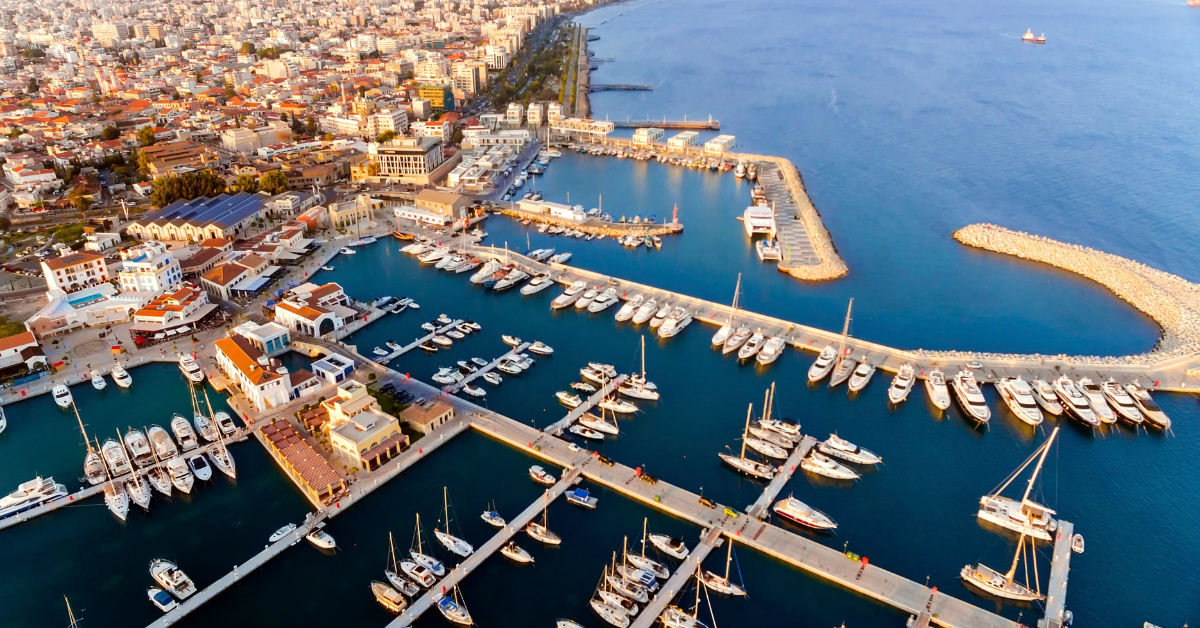


Located on the southern coast of Cyprus, the port city of Limassol combines ancient heritage with modern urban features. This article explores the variations in the name “Limassol,” cultural perceptions among Japanese people, local lifestyle, and even sports culture to present a comprehensive view of this Mediterranean city.
- What Is Limassol? A Key City in Southern Cyprus
- Is Limassol Written as 馬賽? Risk of Confusion with Other Cities
- Japanese Perceptions and Cultural Distance
- Life in Limassol: Comfort and Accessibility for Japanese Visitors
- Limassol’s Sports Culture
- Rising Interest and Potential for Japanese Tourism
- Conclusion
What Is Limassol? A Key City in Southern Cyprus
In Cyprus, Limassol is the second largest city after the capital, Nicosia. Facing the southern Mediterranean Sea, it enjoys a gentle sea breeze and stunning beaches, flourishing through both tourism and economic activity.
Functioning as an international port, Limassol is a crucial hub for cargo and cruise ships alike. With numerous cultural events, museums, and historical structures, it attracts visitors from around the world.
Basic Facts about Limassol
| Item | Details |
|---|---|
| Country | Republic of Cyprus |
| Population | Approx. 180,000 (as of 2025) |
| Location | Southern coast of Cyprus, Mediterranean |
| Language | Greek (English widely spoken) |
| Main Industries | Shipping, tourism, wine production |
The fusion of deep historical roots with modernity is perhaps Limassol’s greatest charm.
Is Limassol Written as 馬賽? Risk of Confusion with Other Cities
In Japanese, Limassol is typically written phonetically in katakana as “リマソール.” In Greek, the official name is “Λεμεσός” and pronounced as “Lemesos.” In Chinese, it is sometimes written as “馬賽,” which presents an issue: this is also the name used for Marseille, France, creating a risk of confusion.
Comparison of Limassol’s Names Across Languages
| Language | Name | Notes |
|---|---|---|
| Japanese | リマソール | Katakana phonetic transliteration |
| Greek | Λεμεσός | Official local name, pronounced “Lemesos” |
| English | Limassol | Internationally recognized spelling |
| Chinese | 馬賽 | Often confused with Marseille (same Chinese name) |
Choosing the appropriate name depending on context and audience is crucial to avoid miscommunication.
Japanese Perceptions and Cultural Distance
Because of its low visibility in Japan, Japanese impressions of Limassol are often vague or based on limited information. Some people mistake it as a Greek city or are unaware that Cyprus is part of the EU.
Perceptions Among Japanese People
| Common Misconceptions | Details |
|---|---|
| Low recognition | Many are unfamiliar with Cyprus or Limassol |
| Name confusion | Often mistaken for Lemesos or Marseille |
| Lack of information | Little travel or cultural information in Japanese |
Despite Limassol’s rich culture and attractions, it remains largely unknown in Japan.
Life in Limassol: Comfort and Accessibility for Japanese Visitors
Limassol is increasingly seen as a place where one can not just visit, but live comfortably. Popular among European expatriates and Russian residents, the city is also drawing attention from digital nomads and long-term travelers from Japan.
Living Environment in Limassol
| Factor | Details |
|---|---|
| Cost of living | Moderate by European standards, slightly higher than Japan |
| English fluency | Widely spoken, sufficient for daily life |
| Healthcare/Education | European standards, international schools available |
| Japanese presence | Small but present, some involved in local business |
It is one of the most livable Mediterranean cities, combining the best of urban comfort and resort-style living.
Limassol’s Sports Culture
Limassol is also known for its vibrant sports scene, particularly football. Several professional clubs call the city home, and local residents passionately support their teams.
Notable teams include “Apollon Limassol FC” and “AEL Limassol FC,” both of which have competed in European leagues, further fueling fan enthusiasm.
Major Sports in Limassol
| Sport | Characteristics |
|---|---|
| Football | Home to top-tier clubs with European competition experience |
| Basketball | Active youth development and community leagues |
| Marine Sports | Well-equipped for sailing, windsurfing, diving |
| Golf | Scenic Mediterranean courses in high-end resorts |
Limassol offers a rare blend of tourism and active sports culture, making it appealing to a wide demographic.
Rising Interest and Potential for Japanese Tourism
To increase Japanese awareness of Limassol, several improvements are needed—from travel infrastructure to digital promotion. Although currently under the radar, feedback from visitors is overwhelmingly positive, with many expressing a desire to return.
Boosting Limassol’s Tourism Appeal
| Element | Suggested Strategies |
|---|---|
| Japanese content | Travel guides and websites in Japanese |
| Flight accessibility | Reduce the burden of transfers via better air routes |
| PR initiatives | Use influencers and social media to promote the city |
| Local hospitality | Japanese-speaking staff and support systems |
Better access and information could lead to a significant increase in Japanese tourists and long-term visitors.
Conclusion
Although sometimes written as “馬賽” in Chinese, Limassol is best represented in Japanese as “リマソール” or in Greek as “Lemesos.” Located in southern Cyprus, this port city blends history, culture, tourism, and sports into a vibrant international experience.
Still relatively unknown in Japan, Limassol impresses those who visit with its scenic beauty and cultural depth. It is not just a destination, but a place to explore, experience, and even settle in.
As more people discover Limassol through firsthand experience, the city is sure to become a more familiar and cherished name among Japanese travelers and global citizens alike.