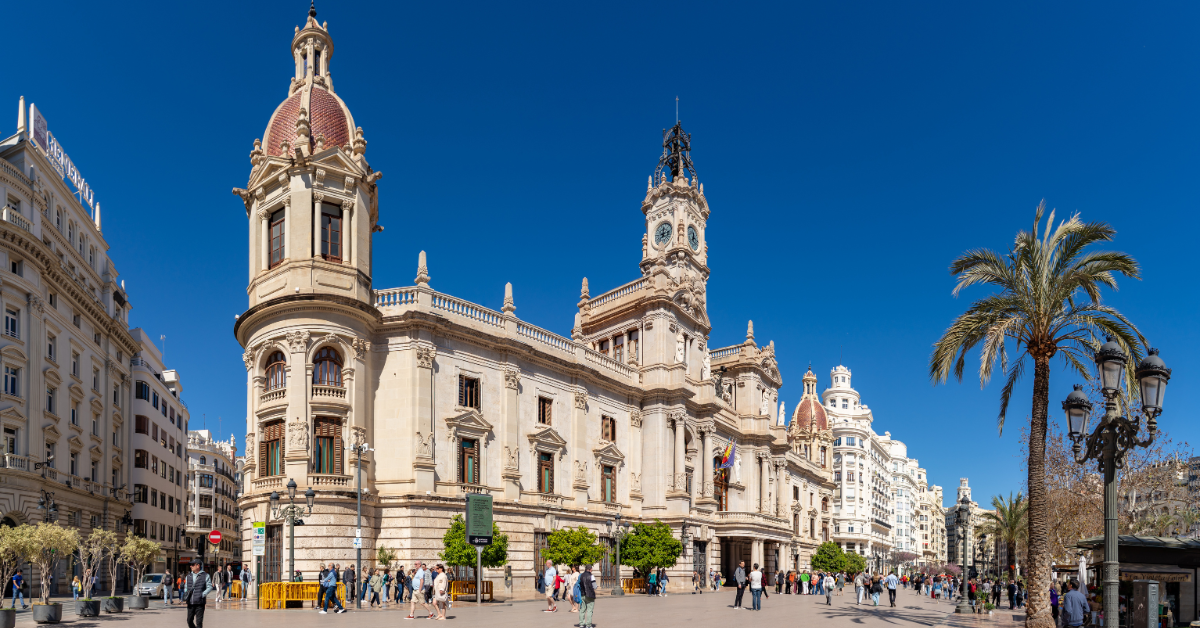


Valencia is Spain’s third-largest city, located along the Mediterranean coast. This article explores the meaning and origin of its kanji representation “瓦倫西亜,” and how Japanese people perceive the city through cultural, climatic, historical, and sporting lenses. By examining the city from multiple angles, we uncover the ways in which Valencia resonates with Japanese sensibilities.
What Does the Kanji “瓦倫西亜” Mean?
The kanji “瓦倫西亜” is derived from Chinese phonetic transliteration. Each character represents a part of the pronunciation: “瓦” (va), “倫” (lun), “西” (xi), and “亜” (ya), collectively echoing “Valencia.” Beyond phonetics, each kanji carries meaning, and together they evoke an image of a “Western port city with heritage and dignity.”
Interpretive Meanings of Each Kanji
| Kanji | Sound | Implied Meaning |
|---|---|---|
| 瓦 | Va | Humble, earthy, everyday life |
| 倫 | Lun | Ethics, human connection |
| 西 | Xi | The West, foreign culture |
| 亜 | Ya | Asia, internationality |
This kanji usage offers more than phonetic substitution—it visually and semantically enhances perceptions of the city.
How Japanese People View Valencia
Valencia is often perceived as a warm and friendly city, famous for its oranges and mild climate. With plenty of sunshine and dry weather year-round, it resembles Japan’s southern coastal regions, making it familiar and comfortable for Japanese travelers.
Climate and Agriculture – Perceptual Comparison
| Feature | Valencia | Perceived by Japanese People as… |
|---|---|---|
| Climate | Sunny, dry, mild | Comfortable, healthy living |
| Key Crop | Oranges, citrus fruits | Natural, fresh, trustworthy |
| Proximity to Sea | Mediterranean Coast | Rich marine life, coastal lifestyle |
Japanese aesthetics also favor harmony between old and new. In Valencia, historical districts coexist with futuristic architecture, such as the City of Arts and Sciences, creating a unique urban identity that aligns with Japanese preferences for balance and beauty.
Valencia’s Fire Festival and Cultural Parallels with Japan
Valencia’s “Las Fallas” is one of Spain’s most unique fire festivals. Taking place every March, the city is filled with giant effigies (ninots) that are ultimately burned in a ritual known as “La Cremà.” The symbolism of fire as a purifier and a cycle of renewal closely mirrors Japanese traditions such as “Otakiage” and “Okuribi.”
Emotional Interpretation of Fire Festivals
| Culture | Emotional Response | Cultural Background |
|---|---|---|
| Japanese | Quiet reverence | Buddhist spirituality, ancestral respect |
| Spanish | Joyful excitement | Catholic tradition, seasonal celebration |
Despite different religious origins, both cultures share the value of “purification through fire,” forming a meaningful cultural bridge.
The Comfortable Scale of a Medium-Sized City
With a population of around 800,000, Valencia is comparable in size to Japanese cities like Fukuoka or Sendai. It is neither too large nor too small, and strikes a comfortable balance between urban amenities and a relaxed pace of life.
City Size and Japanese Impressions
| Population | City (Example) | Perceived Impression by Japanese |
|---|---|---|
| 800,000 | Valencia | Calm, balanced urban life |
| 1,500,000 | Barcelona | Bustling, cosmopolitan energy |
| 3,700,000 | Tokyo | Fast-paced, intense |
Factors like good public transport, safety, and affordability also contribute to Valencia’s appeal, particularly for elderly travelers or families looking for a walkable city experience.
Valencia as a City of Sports
Sport is a major part of Valencia’s identity. The local football club, Valencia CF, is a well-known team both domestically and internationally. On match days, the Mestalla Stadium becomes a focal point of excitement, and the whole city shares a sense of unity and pride.
Additionally, Valencia once hosted the European Grand Prix (Formula 1), with races held on a street circuit, making it a memorable place for motorsports fans. These events attract visitors from around the world and contribute to the city’s international visibility.
Key Sports and Facilities in Valencia
| Sport | Venue | Global Recognition |
|---|---|---|
| Football | Mestalla Stadium | High |
| Motorsport | Former Valencia Street Circuit | Medium to High |
| Basketball | La Fonteta Pavilion | Medium |
Through sports, Valencia builds international relationships and enriches its appeal to travelers and locals alike.
Kanji as a Gateway to Cultural Understanding
Using the kanji “瓦倫西亜” offers more than just an alternative spelling—it triggers curiosity and inspires deeper cultural exploration among Japanese readers. It represents how language and identity intersect in symbolic ways, encouraging cross-cultural reflection.
Valencia’s identity differs from that of other Spanish cities like Madrid or Barcelona. Its openness, creativity, and Mediterranean flavor make it uniquely relatable to Japanese values of harmony, seasonal awareness, and respect for tradition.
Conclusion
Valencia, as represented by the kanji “瓦倫西亜,” embodies a fusion of tradition and modernity, East and West, and art and sport. The city’s climate, festive spirit, approachable scale, and sporting life contribute to its wide appeal.
By interpreting Valencia through kanji, Japanese people find a unique lens to connect with its culture, enabling intellectual appreciation and emotional affinity. In the coming years, Valencia is poised to deepen its connections with Japan—not just as a travel destination, but as a hub of cultural exchange and global understanding.

とは?味噌・醤油・日本酒を生み出す発酵のチカラ-120x68.png)