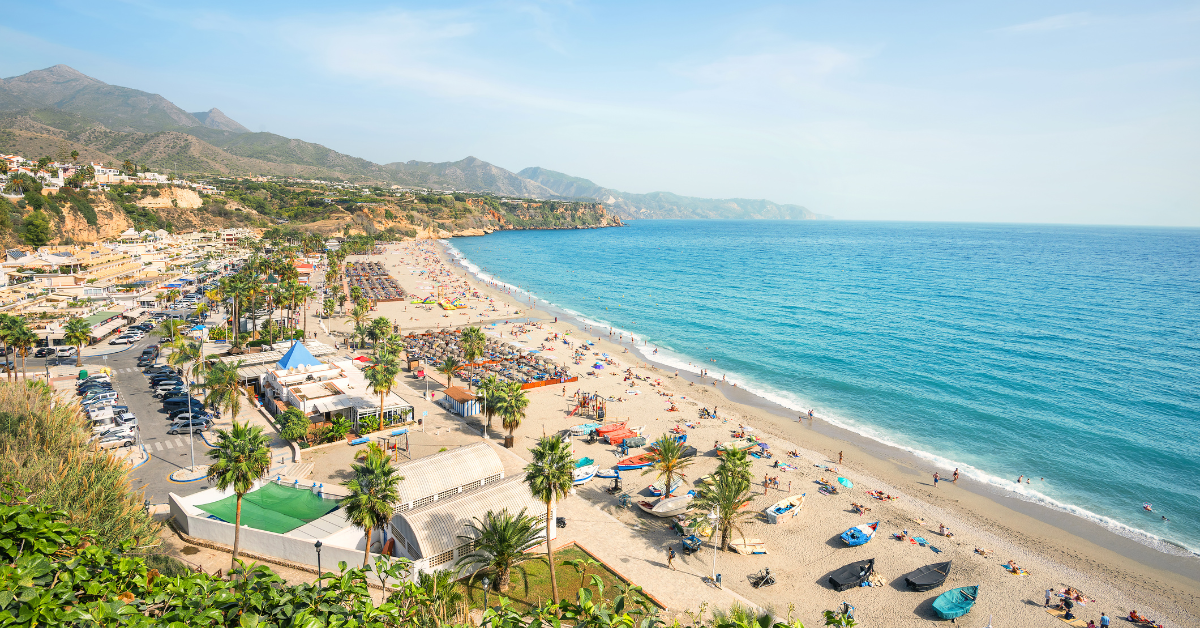


Málaga, a port city in the Andalusia region of southern Spain, is known for its mild climate, beautiful coastline, and layered history. As the birthplace of Picasso, the city attracts attention not only for its arts and cuisine but also for its sports and resort appeal. Though still unfamiliar to many Japanese, Málaga has a unique charm that can reshape perceptions upon visiting.
How Málaga Is Written in Japanese and What It Reveals About Cultural Perceptions
In Japan, Málaga is typically written in katakana as “マラガ.” However, Chinese character transliterations such as “摩拉加” or “馬拉加” sometimes appear, especially in literary or historical contexts. These are phonetic approximations and not official spellings.
| Spelling | Usage in Japan |
|---|---|
| マラガ | Most common form in Japanese media and tourism |
| 摩拉加 | Phonetic transcription often seen in Chinese usage |
| 馬拉加 | Alternative phonetic form, rarely used |
These variations highlight the difference between how Japanese treats foreign words (typically using katakana) and the visual impact of Chinese characters in certain contexts.
A City Shaped by Layers of Civilization
Málaga is one of the world’s oldest cities, founded by the Phoenicians around the 8th century BCE. It has since passed through Roman, Islamic, and Christian rule, each period leaving behind cultural and architectural traces.
| Era | Ruling Civilization | Cultural Features |
|---|---|---|
| 8th century BCE | Phoenicians | Development as a trade port |
| Roman Period | Roman Empire | Urban planning and road infrastructure |
| Medieval Period | Islamic Dynasties | Moorish architecture, advanced agriculture |
| Post-15th century | Castilian Kingdom | Christian churches, cathedrals, and modern expansion |
This historical tapestry makes Málaga a city of cultural convergence, where strolling through its streets is like walking through time.
Art and Cuisine: A Feast for the Senses
Málaga is renowned as the birthplace of Pablo Picasso, one of the most influential artists of the 20th century. The Picasso Foundation Birthplace Museum and the Contemporary Art Center are among the many attractions for art enthusiasts.
Culinary experiences also abound, with a focus on fresh seafood and local Andalusian wines.
| Dish | Flavor Highlights | Recommended Wine |
|---|---|---|
| Espeto | Grilled sardines on skewers | Fresh local white wine |
| Ajoblanco | Cold almond and garlic soup | Sweet Málaga wine |
| Fritura Malagueña | Mixed fried seafood | Dry white or light red wine |
This city stimulates both taste and vision, offering a rich sensory experience.
How Japanese Tourists Perceive Málaga
Although not widely known in Japan, those who visit Málaga often come away impressed. The climate, safety, food, and cultural richness earn high marks.
| Evaluation Category | Highlights |
|---|---|
| Comfortable Climate | Warm winters, popular as a winter getaway |
| Safe Environment | Low crime rate, even solo travelers feel secure |
| Art and History | Museums, architecture, and Islamic heritage |
| Cuisine and Wine | Seafood flavors suit Japanese palates |
According to traveler reviews, Málaga is sometimes described as the most memorable city during a trip to Spain.
Málaga’s Sporting Spirit
Málaga also shines as a sports city. Football is particularly popular, with the local club Málaga CF enjoying loyal support. The city’s coastal location makes it ideal for beach volleyball, sailing, and windsurfing.
| Sport | Features and Experiences |
|---|---|
| Football | Watch games at La Rosaleda Stadium with passionate fans |
| Beach Volleyball | Easy to join, popular with both locals and tourists |
| Sailing | Beginner-friendly tours on the calm Mediterranean Sea |
| Windsurfing | Ideal weather allows year-round enjoyment |
These activities offer a unique way to connect with the city through movement and nature.
Seasonal Events and Festivities
Málaga hosts vibrant festivals throughout the year. The highlight is the August Feria de Málaga, when the entire city transforms into a celebration of music, dance, and tradition.
| Month | Event Name | Description |
|---|---|---|
| February | Carnival | Parades and street performances |
| August | Feria de Málaga | Andalusia’s biggest summer festival |
| December | Christmas Markets | Local crafts, lights, and holiday spirit |
Visitors who time their trip to coincide with these events gain unforgettable cultural experiences.
Accessibility and Long-Term Stays
Málaga is home to an international airport with direct flights to major European cities. High-speed trains connect it to Madrid and Barcelona, making travel convenient.
Additionally, Málaga is gaining attention as a destination for study abroad and remote work, with bilingual schools and a lower cost of living compared to other European cities.
| Feature | Details |
|---|---|
| Transportation | Easy connections via airport and high-speed rail |
| Accommodations | Options range from hotels to long-stay apartments |
| Education | Language schools and universities attract global learners |
| Affordability | Cost of living is relatively low for Western Europe |
All of this makes Málaga a livable and enriching city.
Conclusion
Málaga may be written in Chinese characters as “摩拉加” or “馬拉加,” but in Japanese, the katakana “マラガ” is standard. Whether for its history, art, sports, culinary delights, or festive energy, the city offers something for everyone.
It’s not just a travel destination, but a place that touches the soul, inviting visitors to explore, learn, and connect. As its appeal continues to grow, Málaga is sure to become a valued gem for Japanese travelers and global citizens alike.