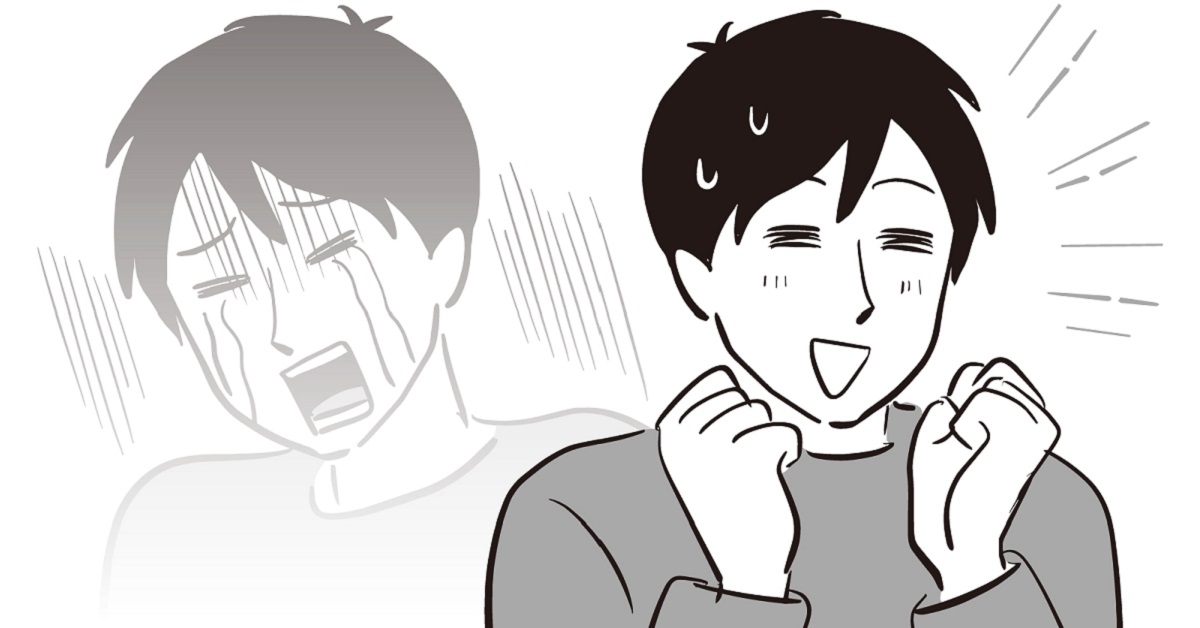

In Japanese society, there are two contrasting communication styles known as “honne” and “tatemae.” These are not merely linguistic choices but deeply rooted cultural values that influence how people behave and interact. This article explains their meanings, cultural background, and real-life examples in business and daily situations to help non-Japanese readers understand them more clearly.
Understanding the Basics of Honne and Tatemae
Definition of Honne and Tatemae
Honne refers to a person’s true feelings or honest thoughts. In contrast, tatemae represents socially acceptable behavior or public-facing statements. For instance, even if someone doesn’t want to meet someone else, they might say, “I’m a bit busy,” instead of directly declining. That’s a form of tatemae. This kind of communication helps preserve harmony and avoid direct confrontation in Japanese society.
Key Differences Between Honne and Tatemae
| Aspect | Honne | Tatemae |
|---|---|---|
| Meaning | True thoughts and feelings | Socially adjusted expressions |
| Purpose | Self-expression | Maintaining harmony |
| Directness | Very direct | Often indirect or vague |
| Usage | Private, among trusted people | Public, formal, professional settings |
Why Honne and Tatemae Are Necessary
A Culture That Values Harmony
In Japan, the concept of “wa” (harmony) is highly valued. People are taught to prioritize group harmony over personal opinions. This leads to a communication style where avoiding conflict takes priority over being direct.
A Culture of Reading Between the Lines
Japanese people often expect others to “read the air,” meaning they should sense the unspoken messages in a conversation. Understanding the intention behind the words is considered more important than the words themselves.
Tatemae as an Expression of Consideration
Tatemae is not considered lying. Rather, it is often used to protect the feelings of others. Choosing softer or indirect expressions is a form of politeness and empathy, helping maintain smooth relationships.
Common Tatemae Phrases and Their Hidden Honne
| Phrase | Meaning | Implied Honne |
|---|---|---|
| I’ll come if I can | I’ll consider it | I don’t want to go |
| Let me think about it | Let me decide later | I plan to say no |
| I’m okay | No problem | I’m actually struggling |
| Let’s talk another time | Let’s reschedule | I want to end this conversation |
Use of Honne and Tatemae in the Workplace
Meetings and Public Agreement
In Japanese meetings, it’s common for everyone to appear to agree, even if they don’t actually feel the same way. The real decision-making often happens outside the meeting room, in informal discussions.
Common Business Scenarios
| Situation | Tatemae Statement | Real Honne |
|---|---|---|
| Responding to a boss’s idea | That’s very insightful | I don’t agree |
| Being asked to work overtime | Sure, no problem | I’m not happy about it |
| Receiving a compliment | I’m flattered | I feel awkward |
Contrast with Foreign Corporate Cultures
In many Western companies, open and direct communication is encouraged. However, in Japan, being too direct can be seen as impolite. Foreigners who speak frankly might be misunderstood as lacking social awareness or sensitivity.
Everyday Misunderstandings Caused by Honne and Tatemae
Confusion for Non-Japanese People
For foreigners, Japanese indirectness can be confusing. The lack of a direct “no” can lead to miscommunication. For example, “It’s a bit difficult” might actually mean “No,” even though it wasn’t said explicitly.
Even Japanese People Misunderstand Each Other
Using tatemae too much can lead to misunderstandings or emotional stress, even among Japanese people. Finding the right balance between honesty and politeness is essential for healthy communication.
Tone, Facial Expressions, and Silence Carry Meaning
Japanese people often rely on non-verbal cues to communicate feelings. Silence, facial expressions, or voice tone can convey approval, disagreement, or discomfort, even when nothing is said outright.
How Foreigners Can Adapt to This Cultural Norm
Interpreting the Intent Behind Words
To build trust in Japan, it’s important to understand not just the words, but the intention behind them. Learning to identify subtle cues and implied meanings helps prevent confusion and builds stronger relationships.
Learning Through Real Experience
The best way to understand honne and tatemae is through real-life experience. Observing conversations and participating in Japanese social contexts allows you to gradually grasp the unwritten rules of communication.
Natural Tatemae in Everyday Conversations
| Situation | To Whom | Tatemae Phrase | Hidden Honne |
|---|---|---|---|
| Refusing a task from a boss | Supervisor | I’m tied up at the moment | I don’t want to do it |
| Turning down an invitation | Friend | Maybe next time | I’m not interested |
| Receiving an expensive gift | Colleague | Oh, you really shouldn’t have | I’m surprised and unsure how to react |
Conclusion
Honne and tatemae are deeply embedded in Japanese culture. They serve as tools to maintain relationships, avoid conflict, and express empathy. While tatemae may seem confusing or dishonest to outsiders, in Japan, it reflects a thoughtful approach to human interaction.
For foreigners, understanding and adapting to this concept is crucial for navigating Japanese society successfully. By learning to observe not only what is said, but also how and when it is said, you can develop more authentic and harmonious relationships with Japanese people.