“Ma” is a deeply rooted concept in Japanese culture that values the “space and pause” in both time and form. It is widely used in architecture, music, conversation, arts, and design, where stillness, subtlety, and restraint are appreciated. This article explains the meaning, usage, and experiential value of “Ma” in a way that is easy to understand for those learning about Japanese culture.
The Meaning and Essence of Ma
Definition of “Ma” in the Japanese Language
“Ma” does not simply mean a “gap” or “empty space”. In Japanese, it refers to the meaningful emptiness that adds value, harmony, and depth. For example, expressions like “between people,” “reading the timing,” or “awkward pause” suggest that Ma can signify distance, timing, or emotion depending on the context.
Below is a table showing common uses of “Ma” in Japanese.
| Expression | Meaning |
|---|---|
| Between people | Represents human relationships or emotional space |
| Awkward timing | Poor or inappropriate timing |
| Fill the Ma | To maintain flow and avoid awkward pauses |
| Good Ma-ai | Well-timed movement or action |
| Read the Ma | Ability to sense the atmosphere or timing |
These expressions show that Ma is strongly connected to the Japanese sense of perception, subtle communication, and social harmony.
The Sensibility Behind Ma
Japanese sensibility emphasizes the unspoken or unfilled aspects of life. In conversation, silence is not seen as uncomfortable, but as a moment of respect and reflection.
Examples of Ma in daily behavior include:
| Situation | Meaning or Effect of Ma |
|---|---|
| Staying silent in a dialogue | A moment to absorb or reflect on others’ words |
| Pausing before action | Shows care, intention, and thoughtfulness |
| Letting others go first | Demonstrates respect through spatial-temporal Ma |
Such use of Ma enables smoother communication and deeper relationships in Japanese society.
Fields Where Ma Is Most Evident
The following table highlights how Ma is actively used in various domains of Japanese culture.
| Field | Examples |
|---|---|
| Architecture | Shoji screens, engawa (verandas), tokonoma (alcoves) |
| Music | Intervals in traditional Japanese drums and instruments |
| Calligraphy | Use of blank space and balance of ink |
| Tea Ceremony | Rhythm and pauses in each gesture and movement |
| Film | Silence and still frames to express emotion and tension |
All of these fields use Ma to create beauty, depth, and serenity by designing with intentional empty space.
The Philosophical and Aesthetic Value of Ma
Comparing Ma with Western Values
Whereas Western culture often values “filling in” space with content or decoration, Japanese culture sees “emptiness” as a means to highlight essence. This contrast is shown below:
| Element | Western Culture | Japanese Culture |
|---|---|---|
| Use of Space | Full and decorative | Emptiness creates meaning |
| Use of Sound | Layered or continuous | Silence is expressive |
| Conversational Pauses | Considered awkward or negative | Part of respectful, thoughtful dialogue |
| Communication Style | Direct and explicit | Implicit, with emotional depth in pauses |
“Having nothing” is seen as a way to express everything in Japanese aesthetics.
Sensitivity Required to Grasp Ma
To understand Ma, one must develop a sense of timing, awareness, and empathy. Knowing when to speak, when to pause, how to maintain distance, and how to respond—these are all shaped by Ma.
This sensitivity is not just valuable in traditional arts, but also a vital skill in modern business and global communication, where subtlety and awareness are often underappreciated yet highly effective.
How Foreigners Can Experience Ma
Experiencing Ma in Japanese Culture
To truly understand Ma, one must experience it. Below are examples of where and how you can do that.
| Category | Examples |
|---|---|
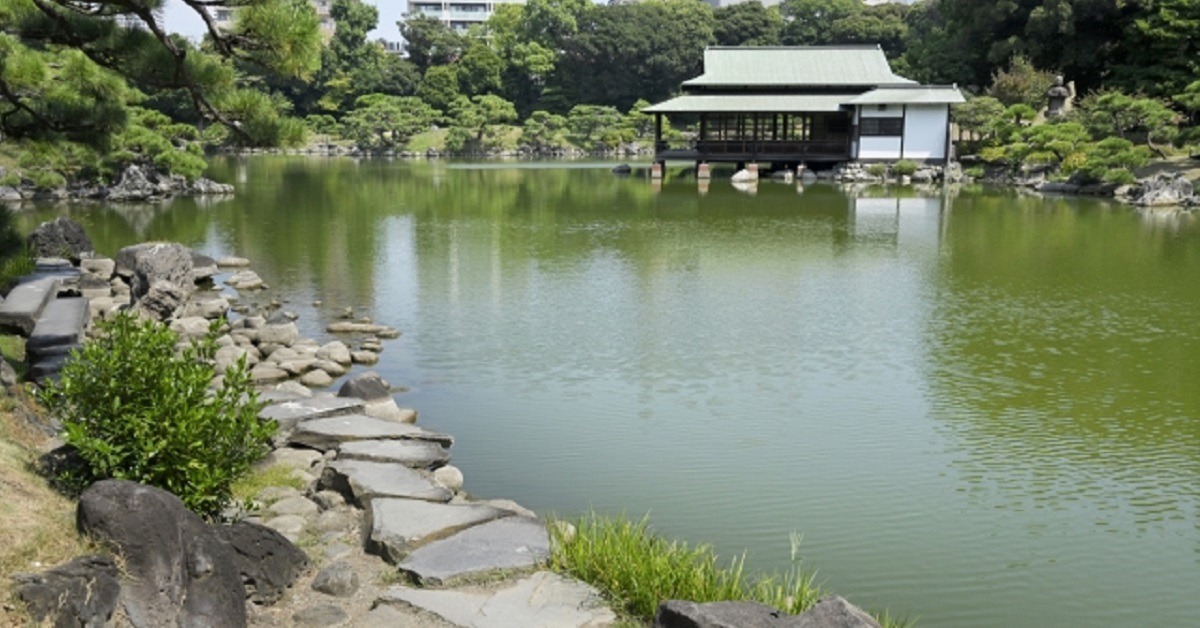
| Architecture | Kyoto townhouses, shrines, temples, tea houses |
| Arts & Design | Japanese paintings, calligraphy, ikebana (flower arrangement) |
| Traditional Arts | Noh, Kyogen, Tea Ceremony, Kōdō (incense ceremony) |
| Daily Life | Japanese gardens, quiet cafés, attentive customer service |
Experiencing Ma through your five senses is the first step toward grasping its value.
Understanding Ma as a Language Learner
For Japanese language learners, understanding Ma offers cultural insight beyond vocabulary or grammar. The table below explains its significance:
| Learning Context | How Ma Enhances Understanding |
|---|---|
| Conversation Flow | Allows better pacing and shows respect |
| Public Speaking | Pausing adds emphasis and clarity |
| Cultural Etiquette | Reflects politeness and attentiveness |
Knowing the culture behind the words leads to true comprehension.
Conclusion
Ma is a central concept in Japanese aesthetics, communication, and human relations. It is not mere emptiness, but a meaningful, intentional space that reflects thought, consideration, and subtle beauty.
Understanding Ma gives foreigners access to the rhythms of Japanese society—a world where what is not said or shown speaks volumes. The calm, the pause, and the emptiness hold deep messages that transcend language.
By learning to appreciate and apply Ma, you don’t just learn Japanese—you understand Japan.