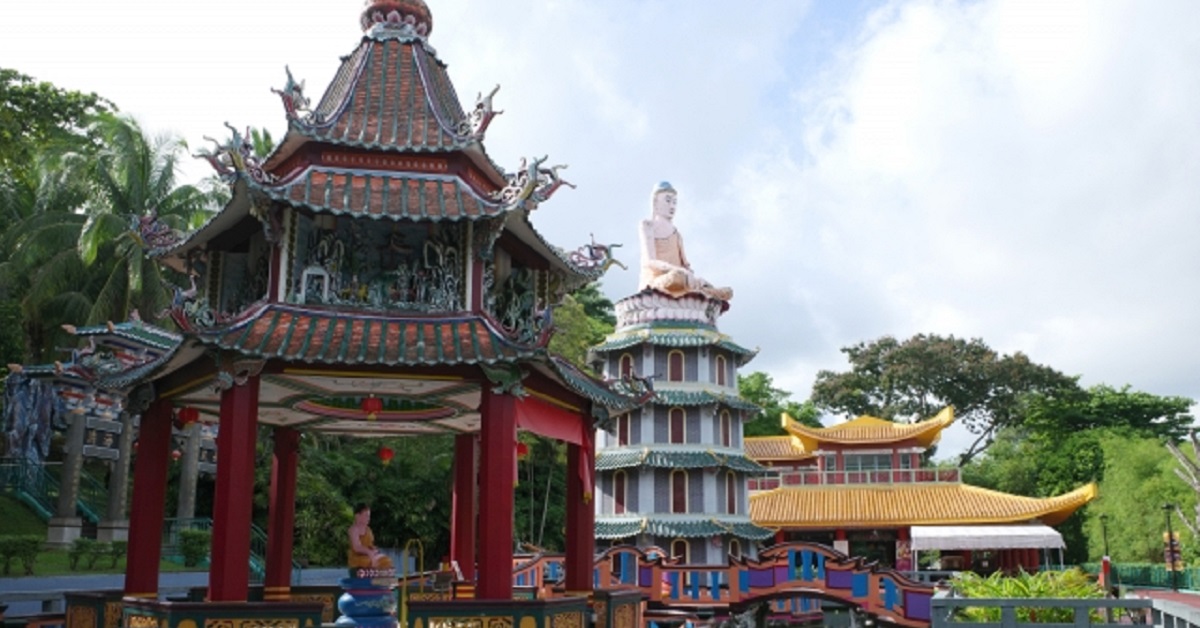


Once located in Hong Kong, Tiger Balm Garden (Haw Par Villa) is known among fans as the model for the scene in JoJo’s Bizarre Adventure Part 3, where the group first confronts Polnareff. Although it has since closed, its bizarre and fantastical stone statues vividly embodied JoJo’s unique worldview. This article explores the garden’s history, its connection to the manga, and its enduring value as a fan pilgrimage site.
What Was Tiger Balm Garden?
History and Structure of Tiger Balm Garden
Tiger Balm Garden was built in 1935 by Aw Boon Haw, the founder of Tiger Balm, in Hong Kong as a traditional Chinese garden. Intended as a place of moral and educational enlightenment, it featured a wide range of statues and structures designed to visually represent cultural and religious teachings.
| Item | Details |
|---|---|
| Name | Tiger Balm Garden (Haw Par Villa) |
| Location | Causeway Bay, Hong Kong |
| Founder | Aw Boon Haw |
| Opening Year | 1935 |
| Closure | 1998 |
| Main Themes | Chinese mythology, hell, Buddhism, Taoism, folklore |
This garden was more than a tourist site — it was a space where culture and belief were given visual form, leaving a strong impression on visitors.
JoJo and the Garden’s Deep Connection
Resemblance to the Depicted Manga Space
In Part 3 of JoJo’s Bizarre Adventure, the battle against Polnareff unfolds in a surreal setting filled with strange statues and vivid structures. Fans quickly noticed that this environment strikingly resembles the real Tiger Balm Garden, sparking widespread discussion about it being the inspiration for the scene.
| JoJo Scene | Tiger Balm Garden Counterpart |
|---|---|
| Surrounded by Buddhist and Taoist statues | Actual garden had numerous religious statues |
| Vivid use of colors and eccentric layout | Statues and murals used bold primary colors |
| Maze-like paths and complex terrain | Intricately arranged steps and corridors in the garden |
This wasn’t just a setting — it amplified character emotion and strategy, aligning perfectly with JoJo’s dramatic tone.
The Significance of Polnareff’s Debut
Character Expression in Harmony with the Background
Polnareff’s debut remains one of the most memorable moments in JoJo Part 3. His noble demeanor and proud attitude are enhanced by the sacred, symbolic setting, creating a contrast that heightens his character.
| Element | Description |
|---|---|
| Setting | Giant Buddha statues, rocky walls, open temple-like spaces |
| Visuals | Use of sunlight, shadow, and visual deception |
| Character | Polnareff’s honor and humor are emphasized |
| Tactical Expression | A thoughtful battle using Stand abilities |
This deliberate staging produced a confrontation that deeply resonated with readers, merging aesthetic design with emotional intensity.
After the Garden’s Closure
Current Status and Cultural Preservation
Since closing to the public in 1998, Tiger Balm Garden has remained inaccessible. However, its cultural and historical significance has prompted preservation efforts, and parts of the site remain maintained as heritage structures.
| Period | Development |
|---|---|
| 1998 | Public access ended |
| 2000s | Redevelopment proposals emerged |
| 2020s | Preservation of key buildings; still closed to public |
There are growing discussions about reopening limited access for cultural tourism, reflecting the garden’s enduring legacy.
Fan Pilgrimage and Its Meaning
First-Hand Accounts and Internet Reactions
Despite its closure, Tiger Balm Garden continues to attract attention as a “sacred site” for JoJo fans. Many have shared their visits and impressions online, describing emotional and symbolic experiences.
| Experience Type | Description |
|---|---|
| Visit Reports | Statue placement and ambiance matched the manga scenes |
| Emotional Reactions | “It felt like another world” or “Surreal and unforgettable” |
| Analytical Commentary | Fans explored the deeper meaning behind the battle’s setting |
The fusion of fiction and reality creates a powerful emotional connection, at the heart of fan pilgrimages.
Comparing with Haw Par Villa in Singapore
An Alternative Sacred Space for Fans
Though Hong Kong’s site has closed, Haw Par Villa in Singapore remains open and retains a similar concept. Built by Aw Boon Haw’s brother, it features Chinese myths, hell imagery, and moral lessons — making it a popular alternative for fans.
| Comparison | Hong Kong (Tiger Balm Garden) | Singapore (Haw Par Villa) |
|---|---|---|
| Status | Closed and inaccessible | Open and visitable |
| Builder | Aw Boon Haw | Aw Boon Par |
| Themes | Chinese mythology, religion, morals | Same |
| Access | Currently restricted | Accessible via MRT |
Singapore’s park offers a chance to experience the same visual impact and symbolism that made the Hong Kong site legendary.
Educational Purpose of the Garden
A Moral Teaching Space for Children
Tiger Balm Garden wasn’t just an attraction — it was built to teach moral values through vivid visuals, especially to younger generations.
| Moral Theme | Visual Representation |
|---|---|
| Warning against lying, violence | Graphic depictions of hellish punishments |
| Filial piety and family honor | Statues showing virtuous children |
| Buddhist teachings | Bodhisattva statues and scenes of enlightenment |
| Rewards of good deeds | Representations of ascension or rebirth |
This educational method used visual storytelling to instill values, rather than written doctrine alone.
Conclusion
Tiger Balm Garden (Haw Par Villa) in Hong Kong was a real-life embodiment of JoJo’s fantastical world. The surreal setting in Polnareff’s first battle was not only drawn with imagination but also deeply rooted in an actual place that mirrored those ideas. Even after its closure, the garden’s legacy lives on in fans’ hearts and imaginations.
The presence of a similar site in Singapore means new generations can still engage with that unique fusion of culture, mythology, and morality, just as JoJo’s characters did on their journey.
A sacred place doesn’t only exist in space — it endures in memory and story. Tiger Balm Garden is a prime example of that eternal truth.