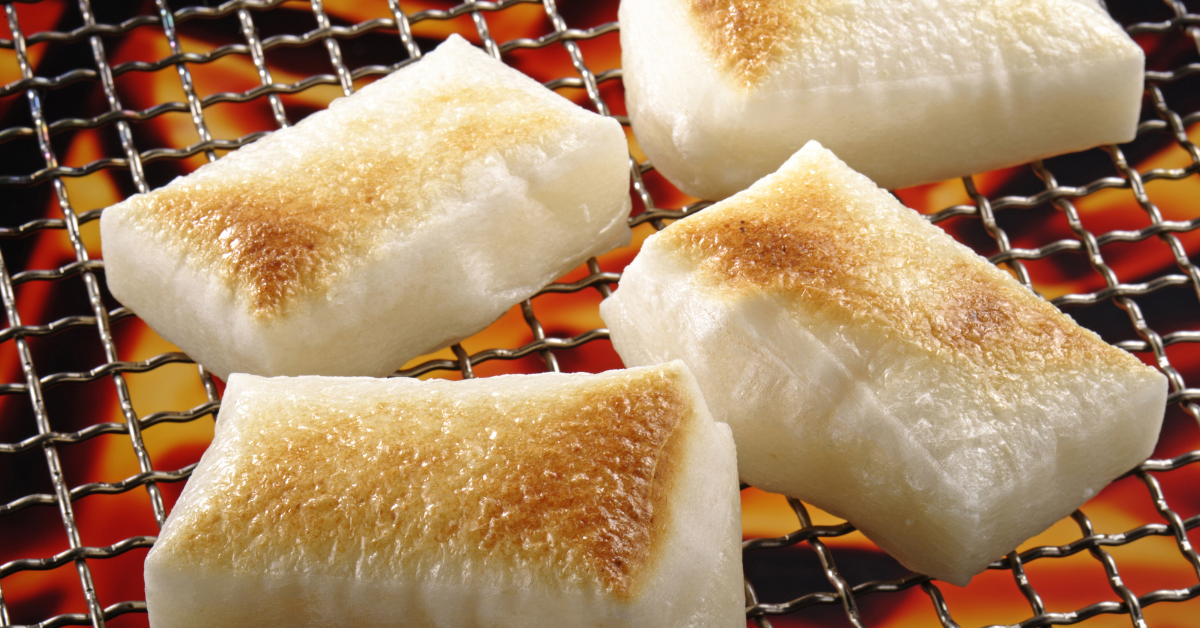


Mochi, a traditional Japanese food, is beloved for its unique chewy texture and deep cultural significance. In recent years, it has gained popularity worldwide through innovations like Mochi Ice Cream, and is increasingly recognized as a symbol of Japanese culinary culture. This article explains the basics of mochi, its historical background, modern adaptations, and how to enjoy it safely.
What Is Mochi?
Definition and Characteristics
Mochi is a food made by steaming glutinous rice and pounding it into a sticky mass. It has a soft, elastic texture that gives rise to the Japanese onomatopoeia “mochi-mochi,” referring to its chewiness. This texture is what sets mochi apart from other rice-based foods.
| Feature | Description |
|---|---|
| Main Ingredient | Glutinous rice (not regular rice) |
| Processing Method | Steamed and pounded with a mortar and pestle |
| Texture | Soft, stretchy, and highly elastic |
| Flavor Profile | Mild in taste, enhanced with toppings |
| Shelf Life | Can be stored dried or frozen for longer use |
Mochi in Japan vs. Mochi Abroad
In Japan, mochi is often eaten during traditional events or holidays, whereas abroad, “mochi” typically refers to sweets or desserts, such as Mochi Ice Cream. In places like the US, mochi has been reimagined into a modern dessert while retaining its chewy characteristics.
History and Cultural Significance of Mochi
An Essential Part of Japanese Traditions
Mochi is considered a sacred food in Japan, often associated with celebrations, seasonal festivals, and offerings to deities.
| Event | Mochi Type and Meaning |
|---|---|
| New Year’s | Kagami mochi, ozoni (rice cake soup), wishing for health and prosperity |
| Girls’ Festival | Hishi mochi for prayers of growth and happiness |
| Harvest Festival | Mochitsuki (mochi-pounding) to give thanks to nature |
| Seven Herbs Festival | Nanakusa mochi to wish for good health |
Regional Variations
Mochi differs widely across regions in Japan, reflecting local culture and climate.
| Region | Shape | Soup Features |
|---|---|---|
| Kanto | Square-cut mochi | Soy sauce-based soup with grilled mochi |
| Kansai | Round mochi | White miso soup with boiled mochi |
| Kyushu | Round mochi | Clear broth with chicken and vegetables |
The Global Rise of Mochi
The Spread of Mochi Ice Cream
Internationally, Mochi Ice Cream has been the driving force behind mochi’s popularity. By wrapping ice cream with a thin mochi layer, it combines Japanese tradition with Western dessert culture in a unique form.
| Flavor | Reason for Popularity |
|---|---|
| Matcha | Offers a distinctly Japanese flavor |
| Strawberry | Sweet and widely loved |
| Mango | Tropical and refreshing |
| Chocolate | Familiar to Western palates |
The Chewy Texture Trend
The chewy texture of mochi has inspired a global culinary trend. Korean tteokbokki, Chinese tangyuan, and Taiwanese tapioca are examples of this texture being embraced in different cuisines. Even Western breads and pastries now incorporate mochiko (glutinous rice flour) to achieve a “mochi-like” bite.
Various Ways to Enjoy Mochi
Traditional Japanese Dishes
Mochi is versatile, enjoyed both as a savory dish and a sweet treat.
| Dish | Description |
|---|---|
| Grilled Mochi | Served with soy sauce and wrapped in seaweed |
| Ozoni Soup | A traditional New Year’s soup with regional variations |
| Anko Mochi | Mochi stuffed with sweet red bean paste |
| Kinako Mochi | Covered in roasted soybean flour and sugar |
Modern Culinary Innovations
Modern recipes use mochi in creative and international ways, blending Japanese tradition with global tastes.
| Dish | Description |
|---|---|
| Mochi Pizza | Mochi as the dough base with cheese and toppings |
| Mochi Gratin | Baked with creamy white sauce |
| Fried Mochi | Served as a crispy snack |
| Cheese Mochi | A child-friendly mix of cheese and mochi |
Safety Tips and Risks of Eating Mochi
Choking Risks and Prevention
Mochi’s sticky nature can pose a choking hazard, especially for children and the elderly. Caution and proper serving methods are important.
| Safety Tip | Action |
|---|---|
| Cut into small pieces | Easy to chew and swallow |
| Encourage thorough chewing | Avoid swallowing large chunks |
| Serve with fluids | Drink tea or soup alongside |
| Supervise meals | Especially for vulnerable individuals |
Cooking Methods to Improve Safety
To reduce risks, mochi should be thoroughly heated so the surface firms up and is less likely to stick in the throat. When freezing mochi, wrap each piece individually and heat evenly when defrosting to maintain a soft yet safe texture.
Conclusion
Mochi is a deeply rooted traditional food in Japan, yet it has also become a versatile ingredient loved around the world. Its chewy texture, unique preparation, and cultural value make it a symbol of both heritage and innovation.
Mochi is more than food—it is a bridge between Japanese tradition and global culinary creativity. As it continues to evolve, mochi promises to remain a beloved staple both in Japan and abroad.