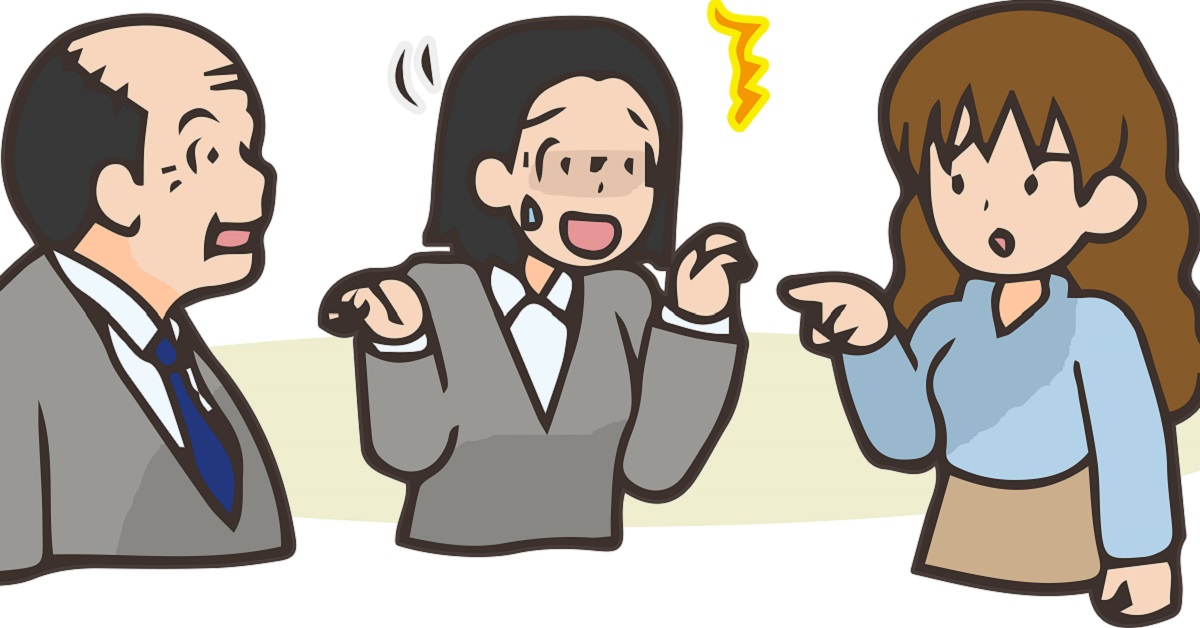

Japan’s cultural habit of “reading the air” is deeply rooted in daily life and the business world. This practice of understanding others’ feelings and the atmosphere without verbal communication often surprises and confuses foreigners. This article explores what “reading the air” means, its cultural background, the differences with other cultures, and the challenges it presents in modern society.
What Is “Reading the Air”?
The Japanese Sense of Perceiving Without Words
“Reading the air” refers to the act of grasping the mood or someone’s feelings based on non-verbal cues. In Japanese society, this skill is seen as a form of emotional intelligence and social grace. Rather than relying on explicit statements, people are expected to pick up on subtle cues like facial expressions, silence, or timing.
This reflects the traditional Japanese value of prioritizing harmony over individualism. Speaking out is often discouraged if it risks disturbing the group dynamic, making the ability to “read the air” a valuable social skill.
Japan as a High-Context Culture
Japan is recognized as a high-context culture, where communication heavily depends on context rather than direct expression. Relationships, background knowledge, and unspoken understandings carry more weight than words. Thus, indirectness and subtlety are respected in Japanese interactions.
| Item | Description |
|---|---|
| Main Information Source | Expressions, silence, atmosphere |
| Role of Language | Supportive, not primary |
| Basis of Understanding | Context, empathy, shared norms |
Why It’s Difficult for Foreigners to Read the Air
Differences from Low-Context Cultures
In many Western countries, clear and direct communication is the norm—known as a low-context culture. There, saying what you mean is expected and valued.
| Comparison Item | Japan | Western Cultures |
|---|---|---|
| Communication Style | Implicit, atmospheric | Explicit, logical |
| Meaning of Silence | Agreement, consideration | Confusion, negativity |
| Typical Expression | Indirect, vague | Direct, assertive |
Misinterpretation of Silence and Ambiguity
For example, when a Japanese person remains silent, foreigners may interpret it as apathy. However, the silence could indicate thoughtful agreement or respectful restraint. These cultural gaps frequently cause misunderstandings.
| Situation | Japanese Intention | Foreign Perception |
|---|---|---|
| Silence | Agreement, empathy, deference | Disinterest, passivity |
| Ambiguity | Consideration for others | Lack of clarity or decisiveness |
The Pros and Cons of Reading the Air
Positive: Kindness and Consideration for Harmony
Reading the air is often regarded as an expression of kindness and attentiveness. By being aware of the surroundings and adjusting behavior accordingly, individuals help maintain peaceful and smooth interactions in social settings.
Negative: Suppression of Expression and Communication
However, an overemphasis on reading the air can hinder open communication and suppress individual opinions. People may refrain from speaking up even when they have valuable insights, out of fear of disrupting the group.
| Advantages | Disadvantages |
|---|---|
| Smooth relationships | Suppressed opinions |
| Thoughtful behavior | Overlooked issues |
The Pressure to Read the Air in Japanese Society
Cultivated from Education
From an early age, Japanese children are taught to value harmony in the classroom. This nurtures an environment where blending in is rewarded, and standing out is often discouraged.
The Workplace and the Culture of “Sontaku” (Guessing the Boss’s Intentions)
This mindset carries over into adult life, especially in hierarchical organizations. Employees are often expected to anticipate their superiors’ unspoken expectations, which reinforces the pressure to “read the air” accurately.
| Age Group | Tendency to Read the Air | Cause |
|---|---|---|
| Children | High | Peer pressure |
| University Students | Moderate | Job hunting, group dynamics |
| Workers | Very High | Workplace hierarchy |
Cultural Collisions in a Globalized World
Miscommunications in International Settings
In international business settings, Japanese people’s indirectness and silence may lead to mistrust or confusion among foreign colleagues. A lack of directness is sometimes misread as dishonesty or disinterest.
Embracing Diverse Communication Styles
In today’s global society, Japan must balance its cultural strengths with a willingness to adapt. This includes not only reading the air but also actively expressing ideas when needed, especially when working with people from different cultural backgrounds.
How to Live with the Culture of Reading the Air
Finding the Right Balance
To thrive in modern society, one needs both the ability to read the atmosphere and the courage to express oneself clearly. The key is knowing when to use each skill based on context.
Bridging the Gap with Foreigners
When interacting with people from other cultures, it helps for Japanese individuals to explain their communication style. Clarifying that “reading the air” is a cultural expectation can greatly enhance mutual understanding.
Conclusion
The Japanese habit of “reading the air” is a deeply ingrained cultural value rooted in harmony, empathy, and social sensitivity. Yet, in a world where diverse communication styles coexist, relying solely on non-verbal understanding is no longer sufficient. Going forward, developing both intuition and expression will allow Japanese society to connect better with the rest of the world—without losing what makes its culture unique.