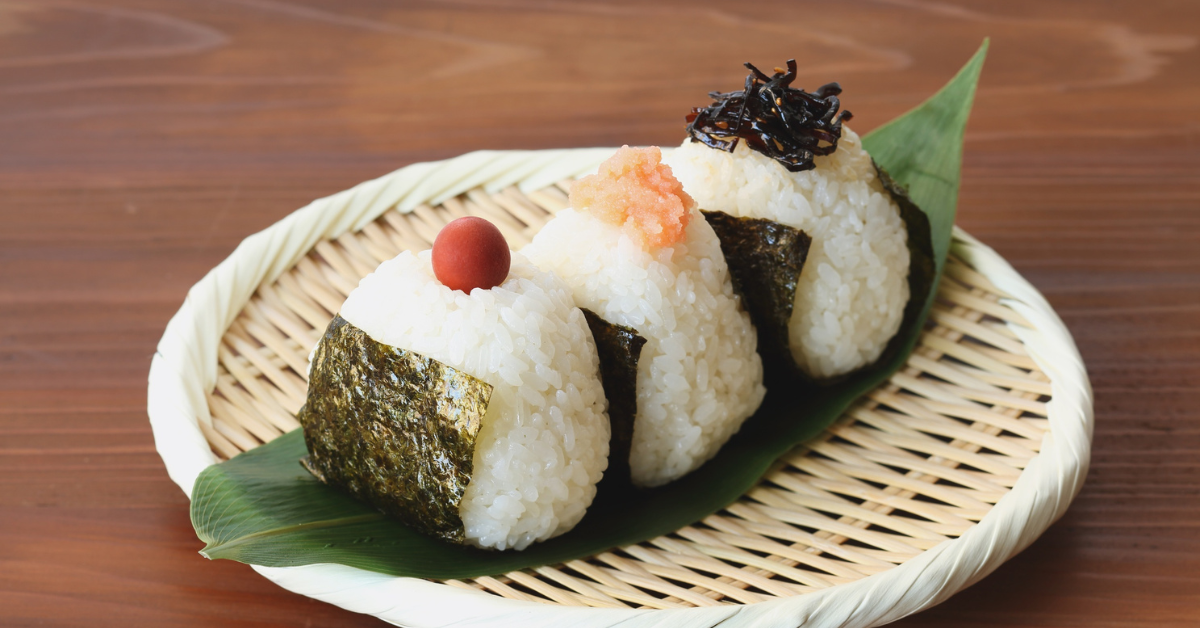


Onigiri is a traditional Japanese snack that has recently gained popularity worldwide. This article offers a clear and detailed explanation of what onigiri is, its history, variations, and why it is becoming a familiar food item even outside Japan.
What is Onigiri?
Onigiri is a simple dish made by shaping cooked rice by hand. The most common shapes are triangular, round, or barrel-shaped. It is usually seasoned lightly with salt and wrapped in nori (seaweed) to make it easy to hold and eat. A filling, such as pickled plum or grilled salmon, is often placed in the center for flavor.
You can easily find onigiri at convenience stores, supermarkets, and train station kiosks across Japan. It is a go-to choice for breakfast, light meals, or snacks. Here’s a breakdown of its typical components:
| Element | Description |
|---|---|
| Base | White rice |
| Seasoning | Salt, sometimes soy sauce |
| Wrapper | Seaweed or none |
| Filling | Umeboshi, salmon, kelp, tuna, etc. |
| Shape | Triangle, round, barrel |
| How to Eat | Eaten directly by hand |
The beauty of onigiri lies in its endless flexibility in terms of ingredients and presentation.
The Origins and History of Onigiri
Onigiri dates back to ancient Japan, possibly even before the Nara period. It emerged naturally from the rice-eating culture and has long served as a portable, preserved food. During the Warring States period, it was a staple for soldiers, thanks to its convenience and durability.
In the Edo period, onigiri became a common meal among the public. It gained further popularity in the Meiji and Showa periods as part of train station bento boxes. Today, it continues to evolve while maintaining its essence as a comforting, homemade food.
| Era | Role of Onigiri |
|---|---|
| Warring States | Military ration |
| Edo | Popular among commoners |
| Meiji–Showa | Star of train bento |
| Heisei | Mass-market convenience food |
| Present | Recognized globally as a Japanese staple |
Onigiri is a symbol of Japan’s food heritage, treasured across generations.
Types and Variety of Onigiri
Onigiri offers a wide range of fillings and styles, reflecting regional tastes and creativity. From classic flavors to modern twists, there is something for everyone.
| Type | Main Filling | Characteristics |
|---|---|---|
| Umeboshi | Pickled plum | Tangy, acts as a natural preservative |
| Salmon | Salted grilled salmon | Smoky and widely loved |
| Kelp | Simmered sweet kelp | Umami-rich flavor |
| Tuna Mayo | Tuna with mayonnaise | Mild and creamy, kid-friendly |
| Mentaiko | Spicy cod roe | Popular for its spicy kick |
| Takana | Pickled mustard greens | Kyushu specialty |
| Yaki Onigiri | Soy sauce or miso | Grilled for a crisp and savory finish |
Many modern versions also use brown rice, multigrain rice, or barley, catering to health-conscious consumers.
The Global Spread of Onigiri Culture
Thanks to the influence of anime and Japanese pop culture, “Onigiri” is gaining recognition as a standalone term globally. It’s now appreciated not only as a traditional food but also as a healthy, gluten-free, plant-based option.
In countries such as the US, France, and Germany, onigiri shops have opened in major cities, offering innovative local variations.
| Country/Region | Unique Onigiri Variations |
|---|---|
| USA | Salmon & Avocado, Spicy Tuna |
| France | Cheese-filled, Basil-flavored |
| Germany | Vegetarian versions with local ingredients |
| Singapore | Spiced rice using local flavors |
This shows that onigiri is evolving into a global dish, adaptable across cultures and palates.
The Appeal and Future of Onigiri
Onigiri stands out due to its nutrition, portability, affordability, and simplicity. Its ability to cater to a variety of dietary needs makes it ideal for modern lifestyles.
Recently, frozen onigiri and vacuum-packed versions have emerged, extending shelf life and making exports feasible. With adjustments for vegan diets, low-carb needs, and allergen concerns, onigiri has the potential to overcome cultural food barriers.
| Feature | Details |
|---|---|
| Nutrition | Balanced mix of carbs, proteins, and minerals |
| Convenience | No utensils needed, easy preparation |
| Portability | Compact and suitable for picnics and lunches |
| Customizability | Infinite flavor variations—Japanese, Western, or fusion |
| Dietary Flexibility | Gluten-free, low-calorie, vegan-friendly options |
Onigiri is positioned to become a globally recognized everyday food, supported by advancements in cold-chain logistics and food tech innovation.
Conclusion
Onigiri is more than a snack—it’s a culinary bridge between cultures. Rooted in Japan’s rice tradition and family kitchens, it continues to adapt and expand worldwide.
Its comforting taste and customizable form make it appealing across generations and nationalities. In the near future, Onigiri may become a universal symbol of nourishment and simplicity, enjoyed around the globe.