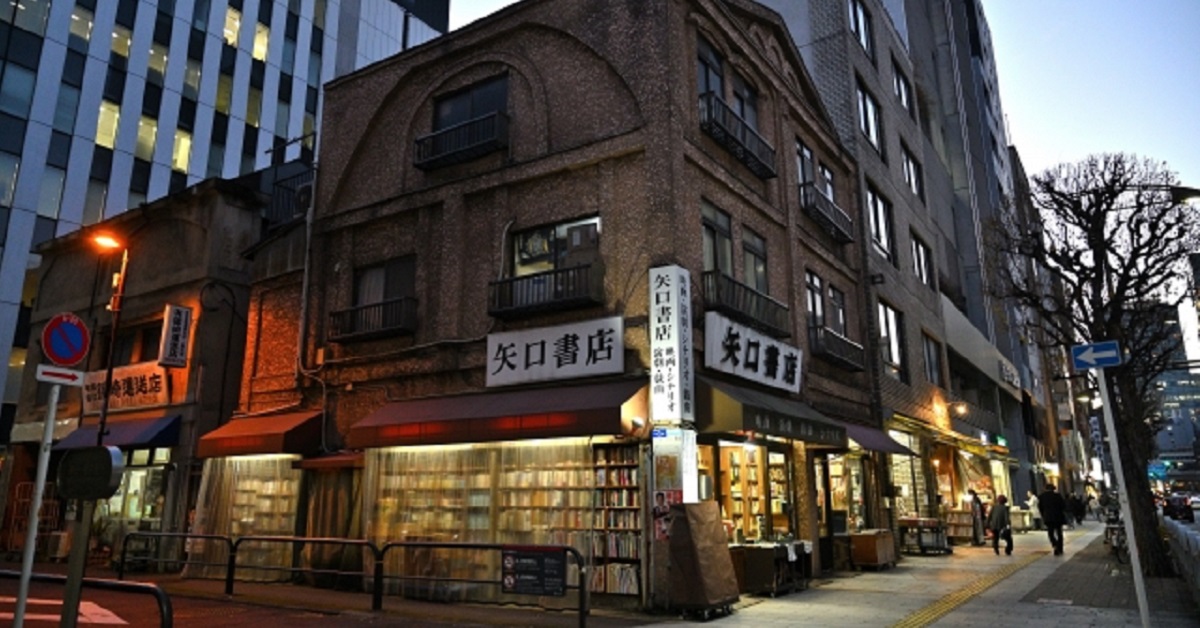


For fans of the popular manga Chainsaw Man, Jimbocho in Tokyo is a particularly meaningful location. It is said that author Tatsuki Fujimoto once lived in this area, and many real-life locations that resemble the manga’s coffee shops and urban landscapes are scattered throughout the district. This article offers a comprehensive guide to the key pilgrimage spots where you can fully immerse yourself in the world of Chainsaw Man.
- The Deep Connection Between Chainsaw Man and Jimbocho
- Real-World Locations in Jimbocho That Inspired Chainsaw Man
- Why the Entire Town Feels Like a Part of the Manga’s World
- How to Navigate Your Chainsaw Man Pilgrimage in Jimbocho
- Pilgrimage Etiquette and What to Watch Out For
- Other Locations That Might Become Future Pilgrimage Spots
- Conclusion
The Deep Connection Between Chainsaw Man and Jimbocho
The manga is filled with a gritty, grounded atmosphere—a mix of quiet mundanity and sudden chaos. That tone mirrors the unique personality of Jimbocho, where retro charm and modern tension coexist. The district’s nostalgic scenery of old bookstores and narrow alleys lined with signage resembles many backgrounds in the manga.
The frequent portrayal of tension even in casual scenes is not coincidental. Jimbocho’s streets reflect the very essence of Tokyo as drawn in Chainsaw Man—familiar yet unsettling. The rumor that Tatsuki Fujimoto once lived here only strengthens the credibility of this connection.
Real-World Locations in Jimbocho That Inspired Chainsaw Man
Although specific place names are rarely mentioned in the manga, many scenes clearly reflect real-world cafes and streets that can be found in Jimbocho. Especially notable are the cafés featured in important story moments—places that fans hold dear and visit as part of their pilgrimage.
| Café Name | Features | Atmosphere |
|---|---|---|
| Ladrio | Retro Showa-era interiors; whiskey available | Warm wooden interiors, quiet setting |
| Sabouru | Colorful decor; beloved by students | Cave-like, cozy underground vibe |
| Milonga | Classic ambiance with tango music | Timeless quietude with a classic feel |
Fans often report that even sitting in these cafés evokes a strong sense of familiarity, as if they’re sharing time with the characters themselves.
Why the Entire Town Feels Like a Part of the Manga’s World
Jimbocho isn’t just about cafés. Its narrow alleys, faded signs, and mismatched architecture all contribute to a cinematic, surreal experience. It’s easy to see how these elements help construct the grounded yet chaotic world that defines Chainsaw Man.
| Feature | How It Reflects the Manga’s Atmosphere |
|---|---|
| Architectural Style | Juxtaposition of modern buildings and Showa-era shops |
| Signage | Handwritten, faded neon signs enhance nostalgic effects |
| Alleyways | Twisting alleys resemble manga action scenes |
| Lighting Contrast | Strong shadows during dusk provide dramatic tension |
Jimbocho is more than just scenery—it forms a visual foundation that supports character psychology and plot tension.
How to Navigate Your Chainsaw Man Pilgrimage in Jimbocho
For Chainsaw Man fans, a pilgrimage is more than sightseeing—it’s a reconnection with the manga’s world. Here’s an efficient route to explore the key locations while avoiding crowds and maximizing immersion.
| Order | Spot Name | Time Required | Recommendation |
|---|---|---|---|
| 1 | Ladrio | ~30 min | Best visited in the quiet of the morning |
| 2 | Sabouru | ~45 min | Enjoy their famous Napolitan pasta for lunch |
| 3 | Milonga | ~30 min | Best experienced at dusk with soft lighting |
| 4 | Jimbocho Book District | ~60 min | Explore alleys and stairways that echo manga scenes |
Tip: Having a scene reference checklist enhances the experience. Here’s a sample preparation guide:
| Preparation Checklist | Example Notes |
|---|---|
| Clothing | Comfortable shoes and casual attire |
| Essentials | Smartphone, power bank, map app |
| Weather Precautions | Opt for a raincoat over an umbrella for ease of movement |
| Mindful Etiquette | Ask before taking photos; avoid crowd-heavy hours |
Preparation deepens the immersion, allowing you to walk the same paths as the characters with ease and intention.
Pilgrimage Etiquette and What to Watch Out For
A successful pilgrimage balances enthusiasm with respect. Being considerate toward residents and shop owners preserves the experience for future fans.
| Etiquette Point | Explanation |
|---|---|
| Photography Awareness | Always ask before taking photos in shops |
| Noise Levels | Keep voices low, especially in quiet environments |
| Blocking Traffic | Avoid lingering on narrow streets |
| Length of Stay | Don’t monopolize seats during busy times |
| Use of Public Spaces | Refrain from eating or sitting in restricted areas |
True fans show respect through behavior, ensuring that the sacred nature of the place is maintained for everyone.
Other Locations That Might Become Future Pilgrimage Spots
Chainsaw Man’s appeal isn’t limited to Jimbocho. Based on Fujimoto’s background and artistic themes, other neighborhoods in Tokyo might also serve as future “sacred grounds” for fans.
| Area Name | Distinctive Features |
|---|---|
| Koenji | Rich in independent culture, thrift shops, and art |
| Nakano Broadway | Known for its deep otaku culture and rare finds |
| Ikebukuro | Packed with bookstores, cafés, and anime shops |
Exploring these areas may uncover new connections to scenes in future Chainsaw Man chapters or adaptations.
Conclusion
Jimbocho offers the most tangible way to experience the world of Chainsaw Man in real life. Whether it’s the vintage cafés, aged signage, or quiet alleys, each element resonates with scenes from the manga.
Pilgrimage is an act of devotion—an opportunity to step into the story’s world and rediscover it from a new perspective. Revisiting the manga after your trip will likely bring deeper understanding and fresh emotion.
Next time you walk through Jimbocho, you might just find yourself sharing the same view, the same light, and the same silence as Denji or Makima.