CONTENT

スポンサーリンク
CONTENT

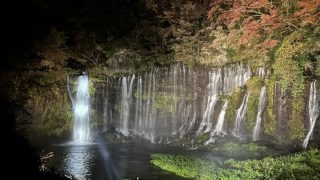
Shiraito Falls in Shizuoka, a Sacred Place for Demon Slayer Fans — A Spot That Evokes the Quiet and Gentle “Fifth Form: Blessed Rain After the Drought” from Water Breathing

Among Japan’s scenic waterfalls, Shiraito Falls stands out as a place where reality and animation meet. Its thin, silken streams create an otherworldly stillness that reminds fans of the quiet mercy embodied in the Fifth Form of Water Breathing. This unique atmosphere has turned the falls into a spiritual destination where people can connect with both nature and the emotional depth of Demon Slayer.
CONTENT

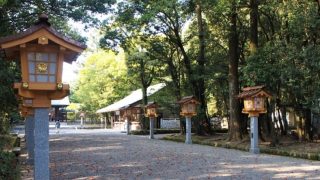
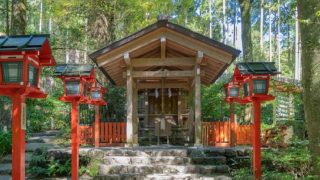
Kifune Shrine in Kyoto, the Sacred Site of Demon Slayer – A Place to Feel the Source of Power Behind the Water Breathing Characters

Kifune Shrine isn't just a cultural landmark – it's a living embodiment of the values found in Demon Slayer's Water Breathing techniques. As you walk the mossy steps and hear the soft murmur of mountain streams, you begin to feel the essence of Giyu Tomioka’s quiet determination and unwavering discipline. This is not only a pilgrimage site, but a sacred space to reflect, recharge, and spiritually connect with your favorite characters in an unforgettable way.
CONTENT

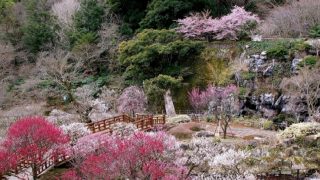
Atami Plum Garden in Shizuoka: A Demon Slayer Sanctuary Where Tengen Uzui and the Vitality of Plum Blossoms Converge

Famous for having the earliest blooming plum blossoms in Japan, Atami Plum Garden is cherished as a symbol of winter’s arrival. Its beauty and strength closely mirror the qualities of Tengen Uzui, making it a popular pilgrimage spot among fans. In this setting where nature harmonizes with the imagery of the story, visitors can experience the essence of Demon Slayer more profoundly.
CONTENT

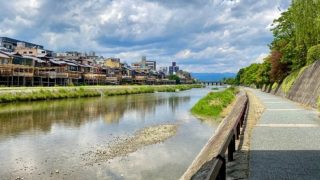
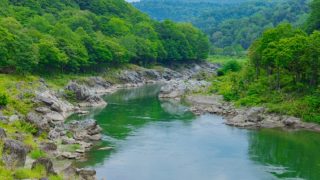
The Sacred Site of the Film KOKUHO: Kyoto’s Kamo River Riverside, Where Youthful Days and Quiet Conversations Between the Protagonists Unfold

Set against the flowing serenity of the Kamo River, KOKUHO captures the fleeting beauty of youth through subtle silence and meaningful glances. The riverside becomes more than a backdrop—it’s a space where hearts are laid bare, and the quiet whispers of emotion are allowed to speak loudest.
CONTENT

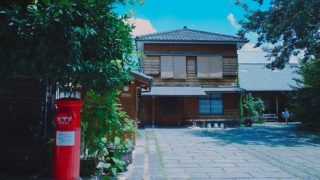
The sacred site of the film KOKUHO — the alleyways of the Nishijin district (Kyoto Prefecture) — scenes of everyday people’s lives and Kyoto‑style hidden back alleys

Set in the historical Nishijin district, KOKUHO uses its hidden alleyways not just as scenery but as a lens into Japan’s cultural heartbeat. These narrow passages carry the weight of tradition, connecting viewers to a world where craftsmanship, community, and everyday life co-exist in harmony.
CONTENT

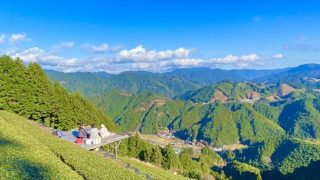
The Sacred Site of Demon Slayer: “Sky Tea Fields” (Shizuoka Prefecture) – A Mystical and Beautiful Mountain Landscape Believed to Be Muichiro Tokito’s Hometown

There exists a place in the mountains of Shizuoka where visitors feel as though they’ve stepped into the world of Demon Slayer. Surrounded by seasonal mist and tranquility, the Sky Tea Fields strongly reflect Muichiro Tokito’s serene and mysterious background, leaving a lasting impression.
CONTENT

Golden Kamuy’s Reception Abroad: Why It’s Highly Acclaimed by Foreign Audiences and Country‑by‑Country Popularity Explained

Golden Kamuy excels not only in action but also in its portrayal of culture, history, and human connections. These qualities have earned it high praise from fans around the world. This article explores the specific reactions and country-specific trends in its reception.
CONTENT

Miyazaki Jingu, a Demon Slayer Sacred SiteA Place that Evokes Connections to the Sun and Ancient Mythology

Located in the legendary land of Hyuga, Miyazaki Jingu embodies the spiritual roots of Japan’s earliest myths. Fans of Demon Slayer are drawn to this shrine because it reflects the same solar symbolism, ancestral strength, and sacred atmosphere that shape the world of the series.
CONTENT

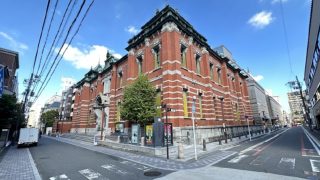
The Sacred Filming Spot of the Movie KokuhouSanjodori in Kyoto, Where Retro Streetscapes Still Remain

Kyoto’s Sanjodori carries a quiet strength shaped by centuries of cultural layers. When walking along the street, visitors encounter a scenery where subtle textures, warm tones, and enduring architectural forms create a cinematic sense of depth. These qualities make the street feel like an echo of scenes from Kokuhou, even without explicit confirmation.
CONTENT

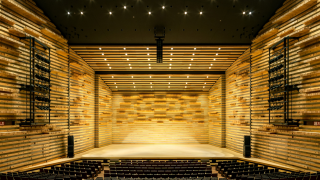
The Sacred Site of the Film “Kokuhō” — The Toyonaka City Cultural Arts Center Possibly Listed as a Filming Location for Rehearsal and Small-Scale Performance Scenes

The Toyonaka City Cultural Arts Center drew attention as a potential filming location for the stage scenes in the film “...
スポンサーリンク