Demon Slayer

スポンサーリンク
CONTENT

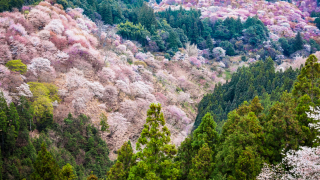
Yoshinoyama in Nara The Sacred Land of Demon Slayer with a Mystical Atmosphere and Temples That Evoke the Swordsmith Village

Nestled deep in the mountains of Nara, Yoshinoyama is a place where history, faith, and nature intertwine. Its serene temples, mystical forests, and breathtaking seasonal landscapes mirror the hidden world of the Swordsmith Village in Demon Slayer, offering visitors a unique blend of cultural heritage and fantasy.
CONTENT

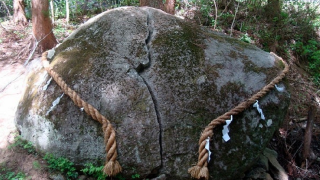
Sacred Site of Demon Slayer “Ryu no Warishi (Nagano)” A Colossal Boulder Split Perfectly in Two

At the heart of Nagano’s natural landscape stands Ryu no Warishi, a mystical boulder split with uncanny precision. For many visitors, it embodies the iconic training scene from Demon Slayer, where the hero slices a massive rock in half. Beyond its anime connection, this site offers a deep sense of wonder, blending cultural fascination with the raw beauty of nature.
CONTENT

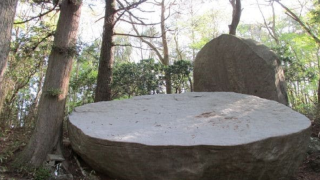
The Sacred Site of Demon Slayer: Tachiwarishi Rock in Tatsuwaresan, Ibaraki

Hidden in the trails of Tatsuwaresan lies Tachiwarishi, a massive split rock that fans of Demon Slayer immediately associate with Tanjiro’s training. Visiting this site is more than just hiking; it is a spiritual journey that combines nature, history, and the powerful imagery of one of anime’s most memorable scenes.
CONTENT

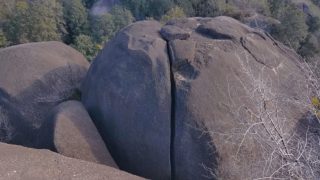
Demon Slayer Pilgrimage Spot “Rengeiwa” in Gifu The Overwhelming Power of Oni no Ittōiwa

Located in Mizunami City, Gifu, Rengeiwa is a giant split rock often called “Oni no Ittōiwa”. With its dramatic crack, it looks as though it was cleaved by a blade. Fans of Demon Slayer are drawn here because the rock resembles the one cut by the protagonist during training, making it a symbolic pilgrimage spot that unites fiction and reality.
CONTENT

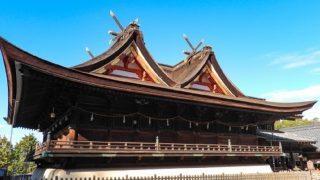
Sacred Site of Demon Slayer – Kibitsu Shrine (Okayama Prefecture), a Shrine Connected to the Momotaro Legend

Kibitsu Shrine preserves the ancient legend of Ura’s defeat, one of Japan’s oldest tales of demon slaying. The story resonates with Demon Slayer, making the shrine a sacred place where history and modern culture converge.
CONTENT

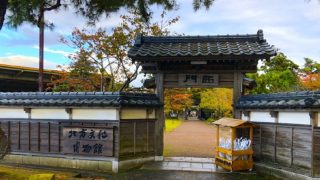
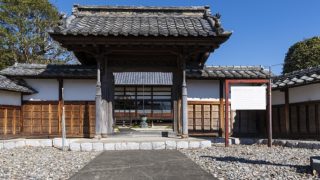
Sacred Site of Demon Slayer – Hoppō Culture Museum (Niigata), a Majestic Mansion Evoking the Ubuyashiki Residence Where the Pillar Meeting Took Place

For fans of Demon Slayer, the Hoppō Culture Museum (Niigata) is considered a sacred spot. Its tatami-lined great hall and majestic design echo the atmosphere of the Pillar Meeting, offering both anime enthusiasts and history lovers a unique cultural experience.
CONTENT

Sacred Spot of Demon Slayer: Mugen Train Arc – Steam Locomotive on Display at Kyoto Railway Museum (Kyoto Prefecture)

For anime fans and railway enthusiasts alike, the Kyoto Railway Museum offers a unique experience. The exhibit features a powerful steam locomotive that embodies the atmosphere of the Mugen Train, allowing visitors to relive iconic scenes from the film while discovering the history of Japanese railways.
CONTENT

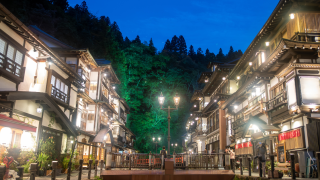
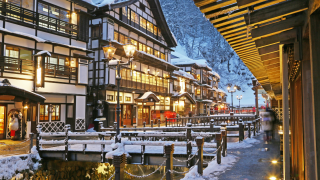
Demon Slayer Swordsmith Village Arc Pilgrimage “Ginzan Onsen (Yamagata)” A Landscape Reminiscent of the Taisho Era Streetscape

Walking through Ginzan Onsen feels like stepping into the world of Demon Slayer. The snowy landscapes, wooden inns, and glowing lamps recreate the very essence of the Swordsmith Village, attracting both fans and travelers seeking a touch of Taisho romance.
CONTENT

Bohata Onsen Hachiman-ya in Fukushima: A Sacred Place of Demon Slayer’s Infinity Castle Arc, Where Traditional Japanese Aesthetics and Modern Architecture Converge

Bobata Onsen Yahata-ya is often described by Demon Slayer fans as “just like the Infinity Castle.” Beyond its surreal architectural design, it offers healing hot springs, exquisite cuisine, and even serves as a hub for sports training camps, ensuring every guest discovers something unforgettable.
CONTENT

Kanroji Temple in Wakayama, a sacred spot for Demon Slayer fans, named the same as Mitsuri Kanroji, the Love Hashira.

Kanroji Temple has long been cherished in Wakayama as a temple of matchmaking blessings. Sharing the same name as Mitsuri Kanroji from Demon Slayer, it holds special meaning for fans as a sacred destination.
スポンサーリンク