CONTENT

スポンサーリンク
CONTENT

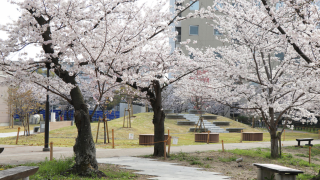
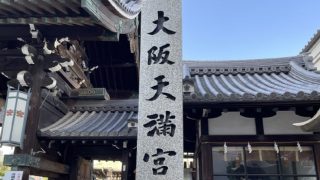
The Sacred Site of the KOKUHO Film: Osaka Tenmangu – Possible Filming Collaboration in Festival, Worship, and Michiyuki (Journey) Scenes

With a history spanning over a thousand years, Osaka Tenmangu has long been a cornerstone of faith and cultural life in Japan.In a KOKUHO-class film, the shrine likely served as a symbolic setting of “prayer” and “connection,” bringing these timeless values to life on screen.Balancing tranquility and festivity, tradition and innovation, Osaka Tenmangu stands as a sacred mirror reflecting the very essence of Japanese culture.
CONTENT

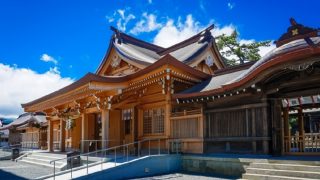
Aso Shrine (Kumamoto Prefecture), the Sacred Site of Demon Slayer A Place Associated with the Motif of “Fire” in the Story

In Demon Slayer, the recurring symbol of “fire” mirrors the ancient fire worship of Aso Shrine in Kumamoto. Fire in Japanese belief represents not only destruction but also rebirth, protection, and passion.Aso Shrine, where the flames of Mount Aso are revered as divine, embodies the very spirit of the “Hinokami Kagura.”Through this connection, we explore the timeless prayer Japan has offered to fire.
CONTENT

Akiyoshidai (Yamaguchi Prefecture): The Sacred Land of Demon Slayer — A Place That Evokes the “Water Breathing” Forms and Pre–Final Selection Training

Akiyoshidai, located in Mine City, Yamaguchi Prefecture, is one of Japan’s largest karst plateaus. Its white limestone a...
CONTENT

The Sacred Filming Location of KOKUHO – Mount Kongō (Mountain Paths along the Osaka–Nara Border), Where Kikuo Trains and Struggles

Mount Kongō in KOKUHO stands as a sacred mirror of Kikuo’s conflict and rebirth.The cold wind, the snow-covered trees, and the echo of his footsteps all portray the courage to face one’s limits.In every frame, nature and spirit merge into a single, profound expression of what it means to be human.
CONTENT

The Sacred Filming Site of “KOKUHO” – Osaka Prefecture University Nakamozu Campus, Used for the Kabukiza Theater’s Lobby and Lounge Scenes

The lobby and lounge of the fictional “Hinomoto-za” in KOKUHO were filmed at the Osaka Prefecture University Nakamozu Campus.Its majestic auditorium and subtle play of light perfectly capture the film’s central theme of “tradition and innovation.”This campus breathes life into the moment when a place of learning transforms into a stage of art.
CONTENT

What Is the Overseas Reputation of “Delicious in Dungeon”? The Appeal of Japan’s Gourmet Fantasy as Seen by Foreign Fans

For many international viewers, “Delicious in Dungeon” is more than just an anime—it’s a story that connects life, culture, and food.Its universal appeal lies in its warm characters and its philosophical exploration of survival through shared meals.
CONTENT

Why “Blue Box” Is Loved in Japan – What Japanese Reactions Reveal About Their View of Love and Culture

In Blue Box, love is rarely spoken aloud.The story’s strength lies in what remains unsaid—in glances, pauses, and silence.This quiet form of affection reflects the Japanese belief that true emotion doesn’t need words, revealing a deeper beauty beneath restraint.
CONTENT

What Is the Overseas Evaluation of “Dandadan”? The Reasons Behind Its Global Hype and Critical Acclaim from Japan to the World

Blending the bizarre world of ghosts and aliens with themes of friendship, courage, and personal growth, “Dandadan” has become a global phenomenon. International audiences praise its fusion of traditional Japanese cultural motifs and universal storytelling, making it both authentic and relatable. This article unpacks what global fans truly love about “Dandadan” and why it’s gaining such immense popularity overseas.
CONTENT

The So-Called “Black” Japanese Anime Industry – What Are the Salaries of New Animators, and How Can They Survive Amid Grueling Work Conditions?

The anime world may appear glamorous, but reality is far harsher than dreams alone can sustain. Many new animators in Japan struggle to live on annual salaries barely exceeding one million yen. This article breaks down the industry’s structure, exposes the truth behind animator wages, and offers a realistic roadmap for building a sustainable future.
CONTENT

How Do Japanese People View Kaiju No.8?A Story of Second Chances and Personal Growth That Even Adults Relate To

The popularity of Kaiju No.8 in Japan stems not from its action or visual impact, but from its portrayal of perseverance and human kindness. Kafka’s struggle and determination reflect the very essence of the modern Japanese spirit—facing one’s weaknesses yet continuing to move forward with quiet strength.
スポンサーリンク