LOANWORD

スポンサーリンク
LOANWORD

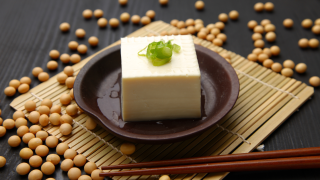
What Is Tofu? The Global Appeal of Japan’s Healthy Food

Tofu is the embodiment of Japan’s culinary wisdom and compassion.From traditional temple cuisine to modern home cooking, it has long supported the health of the Japanese people. Today, tofu’s nutritional balance and eco-friendly nature have made it a global favorite among health-conscious eaters.
LOANWORD

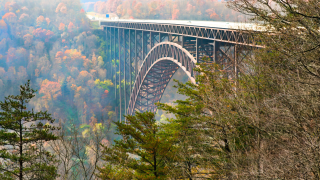
Does West Virginia Have a Kanji Name? The Image Japanese People Hold of This State of Nature and Music

In Japan, the name “West Virginia” is commonly written in katakana rather than kanji, a choice made to preserve pronunciation and show cultural respect. This piece delves into the linguistic reasons behind that decision while examining how Japanese people view the state through its nature, music, and sports.
LOANWORD

Is Idaho Written as “愛州”? The America of Serenity and Warmth as Seen by the Japanese

Beyond the bustling cities and iconic skylines, there exists an America of gentle strength and emotional depth — Idaho. Known in historical Japanese texts as “愛州,” the name captures a spirit of peaceful coexistence between humans and nature. Through its vibrant sports culture, community values, and breathtaking natural beauty, Idaho stands as a reminder that true greatness lies not in power but in harmony and sincerity.
LOANWORD

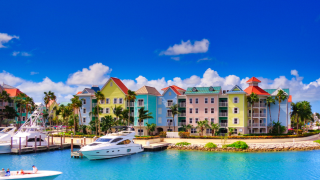
Is “Bahamas” Written in Kanji as “巴哈馬”? The Resort Paradise Image Held by the Japanese

Written in Chinese as “巴哈馬”, the name “Bahamas” carries a soft, rhythmic resonance. Though Japanese rarely use a kanji form, the name evokes images of sunshine, the ocean, freedom, and escape. For many Japanese people, the Bahamas remains the ideal resort destination they dream of visiting at least once in their lifetime.
LOANWORD

Does Bulgaria Write as ‘勃牙利’ in Kanji? The True Image of Bulgaria That Japanese People See Beyond Yogurt

The Kanji “勃牙利” holds within it a long history of cultural exchange and mutual understanding between Japan and Bulgaria. Beyond yogurt and roses, it is time to rediscover Bulgaria’s modern identity — one built on sports, culture, and heartfelt human connection.
LOANWORD

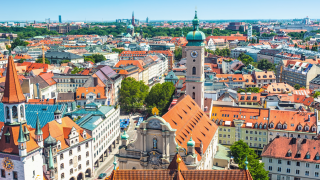
The Kanji Representation of Munich as “民顕”: A City of Art and Sports as Seen by the Japanese

The kanji “民顕” for Munich carries an accidental yet profound harmony of sound and meaning. Introduced through Chinese transliteration, these two characters came to symbolize in Japan a serene yet proud city. This article reveals the essence of Munich — its culture, sports, and spirit — to uncover why “民顕” perfectly reflects the city’s enduring charm.
LOANWORD

Why Nebraska Has No Kanji Representation: Exploring Japanese Perceptions of the State

When Japanese people think of U.S. states, names like California or New York often come to mind first. Nebraska, on the other hand, is less well-known. Its name has no kanji equivalent, as it originates from a Native American word meaning “flat water.” Beyond language, Nebraska carries a unique cultural identity shaped by agriculture, nature, and sports.
LOANWORD

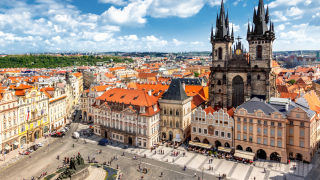
The Kanji Representation of Prague as “布拉格” – What Image Do Japanese People Have of the Czech Capital?

The kanji "布拉格" symbolizes more than just a phonetic translation of Prague. For Japanese travelers, it reflects the city’s timeless architecture, cultural richness, and sporting passion. Whether strolling through cobblestone streets or cheering in a stadium, Prague leaves lasting impressions that go beyond tourism.
LOANWORD

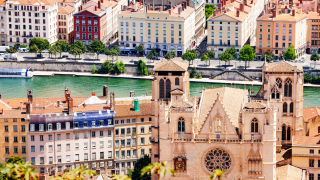
The Kanji Representation of Lyon as “里昂” and the Japanese Aspiration for the City of Gastronomy

Represented in kanji as “里昂,” Lyon captivates Japanese visitors not only with its world-class cuisine but also with its UNESCO-listed old town, vibrant festivals, and international sports scene. It is a city where tradition and modernity coexist.
LOANWORD

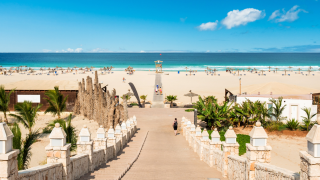
Is the Kanji for Cabo Verde “佛得角”? The Hidden Charm and Culture of an Island Nation as Seen by the Japanese

The name “Cabo Verde” comes from Portuguese explorers who once described the land as a “Green Cape.” In Japanese, the country’s name is expressed in katakana, while Chinese uses the kanji “佛得角.” Beyond its written form, Cabo Verde represents a hidden paradise, a nation of music, and a rising force in sports, shaping how Japanese people perceive this island nation.
スポンサーリンク