LOANWORD

スポンサーリンク
LOANWORD

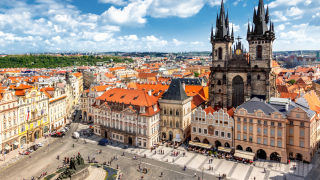
The Kanji Representation of Prague as “布拉格” – What Image Do Japanese People Have of the Czech Capital?

The kanji "布拉格" symbolizes more than just a phonetic translation of Prague. For Japanese travelers, it reflects the city’s timeless architecture, cultural richness, and sporting passion. Whether strolling through cobblestone streets or cheering in a stadium, Prague leaves lasting impressions that go beyond tourism.
LOANWORD

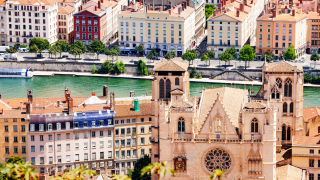
The Kanji Representation of Lyon as “里昂” and the Japanese Aspiration for the City of Gastronomy

Represented in kanji as “里昂,” Lyon captivates Japanese visitors not only with its world-class cuisine but also with its UNESCO-listed old town, vibrant festivals, and international sports scene. It is a city where tradition and modernity coexist.
LOANWORD

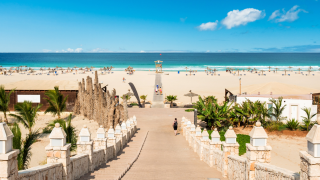
Is the Kanji for Cabo Verde “佛得角”? The Hidden Charm and Culture of an Island Nation as Seen by the Japanese

The name “Cabo Verde” comes from Portuguese explorers who once described the land as a “Green Cape.” In Japanese, the country’s name is expressed in katakana, while Chinese uses the kanji “佛得角.” Beyond its written form, Cabo Verde represents a hidden paradise, a nation of music, and a rising force in sports, shaping how Japanese people perceive this island nation.
LOANWORD

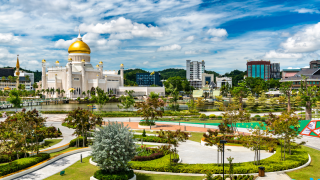
Is Brunei’s Kanji Notation “文莱”? Japanese Impressions of Its Gentle National Character and the Charm of Its Hidden Tourist Destinations

In Japanese, Brunei is written in katakana and does not have a fixed kanji notation, while in Chinese it is expressed as 文莱. For many Japanese people, Brunei remains unfamiliar, but perceptions of wealth, calmness, hidden tourism appeal, and growing sports exchanges shape how the country is viewed.
LOANWORD

Is New Mexico Written as 新墨西哥 in Kanji? The Diverse Images Japanese People Hold

Located in the American Southwest, New Mexico is associated among Japanese people with the deserts of the West, the art of Santa Fe, and also with the Roswell Incident and college sports.
LOANWORD

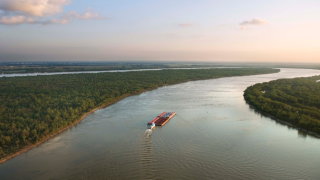
Is Mississippi Written as 密西西比? The State as Seen by Japanese People Through Blues and the Great River

Mississippi is often introduced to Japanese audiences not through geography lessons, but through culture—blues music, Civil Rights history, and the legendary river that bears the same name. While everyday familiarity is limited, the state carries powerful symbolic weight in Japanese imagination, blending art, struggle, and Southern tradition.
LOANWORD

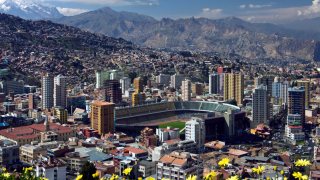
Does La Paz Have a Kanji Version? How Japanese People View Bolivia’s Capital

La Paz is known as one of the world’s highest-altitude capitals, yet in Japanese it is written only in katakana with no official kanji form. Beyond its name, the city captures Japanese interest through its vibrant Andean traditions, political activity, and unique sports culture. For many in Japan, La Paz is not just a distant capital but a place that embodies peace, struggle, and endurance.
LOANWORD

What is Go? A Simple Yet Profound Board Game Loved Worldwide – An Intellectual Strategy Game with 4,000 Years of History

Easy to learn yet impossible to master, Go is one of the world’s oldest and most fascinating board games. With its origins in ancient China, the game spread throughout Asia and eventually reached the entire world. Played by children, adults, and even artificial intelligence, Go represents both tradition and innovation in the realm of intellectual competition.
LOANWORD

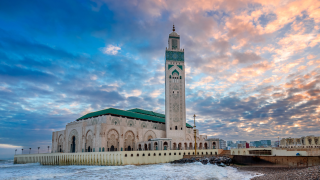
Casablanca in Kanji: Is It 卡薩布蘭卡? A Look at the Cultural and Sports Images in Japan

The name Casablanca evokes a variety of images in Japan. From the classic film “Casablanca” to the graceful white lily of the same name, and even the passionate world of football in Morocco, the city represents more than just a place. Though no Kanji form exists, and the Chinese “卡薩布蘭卡” is merely a sound-based rendering, the word Casablanca carries special meaning and charm in Japanese culture.
LOANWORD

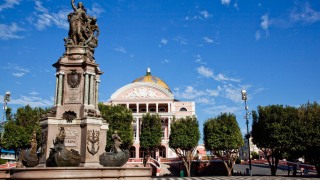
Does Manaus Have a Kanji Representation? The Image of Tourism and Exoticism Held by Japanese People

The Brazilian city of Manaus is known to travelers as the starting point for Amazon exploration. At the same time, it gained worldwide recognition as a venue for the 2014 FIFA World Cup. While there is no kanji representation in Japanese, its sound and historical background leave a distinct impression on the Japanese imagination.
スポンサーリンク