LOANWORD

スポンサーリンク
LOANWORD

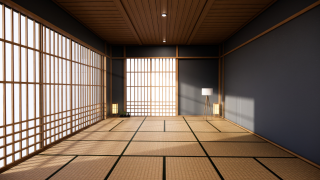
What is Tatami? Exploring the Cultural Role of Japan’s Traditional Flooring

When you step into a Japanese-style room, you immediately notice tatami. It is not only a traditional flooring but also a unit of measurement and a cultural foundation that has shaped Japanese life for centuries. Today, tatami continues to be valued in homes, hotels, and cultural spaces, both in Japan and abroad. This article introduces its charm and lasting influence.
LOANWORD

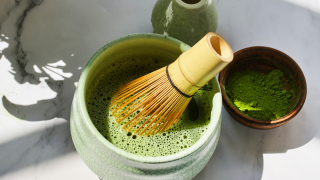
What is Matcha A Clear Guide to Its Charm from Tea Ceremony to Sweets

Beyond being a drink, matcha embodies Japanese spirituality and the art of hospitality. From its origins in Zen temples to its modern popularity in sweets and lattes, matcha has transformed into a cultural icon. Its balance of bitterness and umami offers not only taste but also a meaningful experience.
LOANWORD

Is Colorado Written in Kanji as “科羅拉多”? History to Know and Impressions Held by Japanese People

Colorado is seen by Japanese people as a state where nature, urban life, and education coexist. Its Kanji name, "科羅拉多州," focuses on sound rather than meaning. This article delves into the background of the notation and why Colorado is considered attractive to Japanese people.
LOANWORD

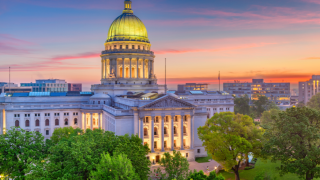
Is Wisconsin Written as 威斯康星 in Kanji? The Appeal and Image of the State Among Japanese People

For many Japanese, Wisconsin is associated with cheese, dairy products, world-class universities, and passionate sports culture. Although the state is sometimes rendered in Chinese characters as “威斯康星,” no kanji is officially used in Japanese. What defines Wisconsin’s identity for Japanese people is not kanji, but the lived experience of its landscapes, traditions, and community spirit.
LOANWORD

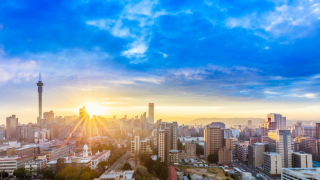
Is There No Kanji for Johannesburg? Japanese Perceptions of Its Safety and Identity as a Sports City

The city name “Johannesburg” has no kanji form in Japanese. While other languages sometimes use phonetic or semantic translations, Japanese tends to rely on katakana. For Japanese people, the city represents both an image of “high crime rates” and the “stage of the World Cup”, reflecting a mix of negative and positive perceptions.
LOANWORD

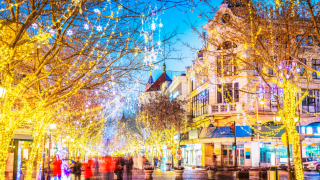
Harbin in Kanji: 哈爾浜 or 哈爾濱? Changes in Japanese Perceptions from the Prewar Era to the Present

For Japanese people, Harbin is more than a city. It is remembered as a former center of Manchukuo, a city of European-style architecture, and today as a vibrant hub for tourism and winter sports. The Japanese image of Harbin is therefore multi-layered, shaped by historical memory and modern attractions. This article explores these perspectives in depth.
LOANWORD

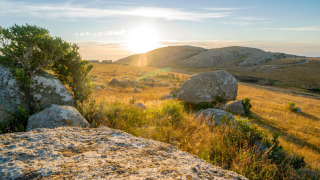
Namibia in Kanji: 納米比亜? Exploring Japanese Perceptions and Their Background

While Namibia is usually written in katakana in Japanese, the phonetic transcription “納米比亜” reveals Japan’s historical approach to foreign names. Beyond this linguistic curiosity, Japanese people associate Namibia with the Namib Desert, Etosha National Park, and international sports achievements, reflecting a multidimensional image of the nation.
LOANWORD

Is Swaziland Written as “斯威士蘭”? Understanding Eswatini and Its Image in Japan

The name “Swaziland” was used for many years, but today the official name is “Eswatini.” Known as a small kingdom where tradition and modernization coexist, the country presents a unique identity. While many Japanese still remember the old name, recognition of the new name is steadily growing.
LOANWORD

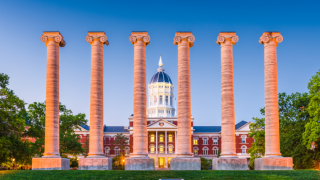
No Kanji for Missouri? Why It’s Written in Katakana and How Japanese People Perceive the State

In Japan, U.S. states are rarely given kanji notations. Missouri is always expressed in katakana, reflecting Japan’s unique approach to foreign names. While its recognition is not as strong as California or New York, Missouri is associated with rich history, sports teams, and cultural landmarks. Here, we dive into both the linguistic reasons behind its notation and the broader image Japanese people hold of the state.
LOANWORD

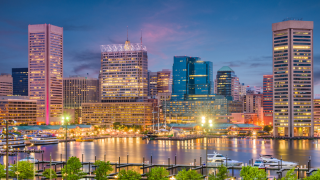
Is There a Kanji Way to Write Maryland? Exploring How Japanese People Perceive the State

Located next to Washington, D.C., Maryland is known as a state that supports the political center of the U.S. In Japan, it is written as “メリーランド州” and is also recognized for its academics, food culture, and sports. This article introduces its multifaceted appeal from a Japanese perspective.
スポンサーリンク