LOANWORD

スポンサーリンク
LOANWORD

Why is Paris Written in Kanji as “巴里”? The City of Art and Sports Admired by the Japanese

When written as “巴里”, Paris takes on a character beyond geography. This Kanji notation reflects Japan’s historical adaptation of foreign words and carries with it layers of cultural meaning. For Japanese people, Paris is not only the “City of Light” but also a symbol of elegance, creativity, and international prestige.

LOANWORD

Why is Rome Written in Kanji as “羅馬”? The Japanese Perception of Rome

The kanji “羅馬” reflects ancient cultural exchange. The Japanese see Rome as a symbol of civilization, remembering its grand ruins, masterpieces of art, and its role as a host of the Olympic Games.
LOANWORD

Why is Berlin Written in Kanji as “伯林”? An Explanation of the Image of Berlin Held by the Japanese

The notation "伯林" carries connotations of dignity and nature. For the Japanese, Berlin symbolizes the Cold War and unification, while also standing out as a city of arts and music. Moreover, Berlin’s role as a stage for international sports adds another dimension, creating a multifaceted city image.
LOANWORD

Why is Seattle written in kanji as “舎路” or “沙港”? How Do Japanese People Perceive Seattle?

In Japanese writings, Seattle has been expressed with kanji transcriptions like “舎路” (Sharo) and “沙港” (Shakō). These are not official names but cultural reflections of how Japanese people perceived Seattle—sometimes as a distant foreign land, other times as a vital Pacific port. Over time, Japanese views have expanded to include Seattle’s identity in sports, technology, and global culture.
LOANWORD

Why is San Francisco Written as “桑港” in Kanji, and How Do Japanese People View the City?

The kanji name 桑港 for San Francisco was not chosen at random. It combines a phonetic transcription with a symbolic reference to the city’s identity as a global port. For Japanese people, 桑港 has represented immigration challenges, fascination with Western culture, and admiration for sports icons—all of which continue to shape how the city is remembered.
LOANWORD

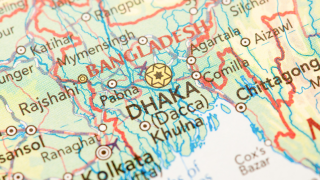
Why Do the Chinese Write Dhaka as “达卡”? A Look at the Difference from Japanese

Foreigners may wonder why Dhaka appears as 达卡 in Chinese while in Japanese it is simply ダッカ. The answer lies in the different writing systems and cultural traditions of the two languages. This article highlights the reasons for this difference and shows how to avoid misunderstandings when learning Japanese or Chinese.
LOANWORD

Why Is South Sudan Represented in Kanji as “南蘇丹,” and How Do Japanese People Perceive the Country?

In 2011, South Sudan declared independence, marking its place as the world’s youngest nation. Interestingly, in Japanese it can be written not only in katakana but also as "南蘇丹". This article explores the origin of this kanji form and the way South Sudan is perceived in Japan, from conflict-related images to future possibilities.
LOANWORD

Is Buenos Aires Written in Kanji as “阿根廷” or “布宜诺斯艾利斯”? What Are Japanese Perceptions of Buenos Aires?

While most Japanese now recognize Buenos Aires in katakana, there is a fascinating history behind its kanji notations. From 阿根廷 used in older Japanese texts to 布宜诺斯艾利斯 in Chinese, these characters reflect cultural adaptation across Asia. For Japanese people, Buenos Aires is not only a distant city but also an image of romance, art, and football fever.
LOANWORD

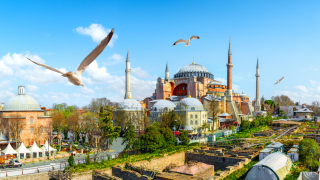
Why is Istanbul Written in Kanji as “斯当歩児”? Japanese Perceptions of Istanbul

For the Japanese, Istanbul has long been seen as a gateway between East and West. Once called “斯当歩児” in kanji transcription, the city carries with it layers of historical memory, cultural fascination, and sporting passion. Today, Japanese perceptions of Istanbul go beyond textbooks, extending to tourism, cuisine, and the emotional intensity of football.
LOANWORD

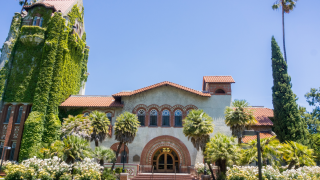
San Jose as Saint Joseph: The Cultural Meaning of Its Japanese Kanji Notation “聖ホセ”

In Japanese, the city of San Jose is sometimes written as “聖ホセ,” a blend of Kanji and Katakana. This style reflects not only the Spanish origin of “San José” but also the Japanese tendency to preserve both sound and meaning in place names. By learning this, we gain a deeper understanding of the city’s religious background and linguistic adaptation.
スポンサーリンク