LOANWORD

スポンサーリンク
LOANWORD

Why Is San Diego Written in Kanji as “聖何塞” or “三提”? Explaining the History and Meaning of Japanese Representations

Most foreign place names in Japanese are expressed in katakana, but historical documents show San Diego in kanji such as “聖何塞” (Seikakō) and “三提” (Santei). These forms are fascinating examples of how Japan once relied on kanji-based transcriptions influenced by Chinese and phonetic conventions. Understanding them offers insight into Japanese linguistic history.

LOANWORD

Is Zimbabwe Written in Kanji as “辛巴威”? A Thorough Explanation of Its Meaning and the Reason Behind This Japanese Notation

For foreign readers, the notation “辛巴威” may seem strange. Yet it is an ateji, a phonetic rendering of the name Zimbabwe in kanji. Historically, many foreign place names were given kanji in Japanese, reflecting both phonetic adaptation and cultural tradition.
LOANWORD

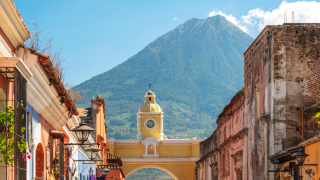
Was Guatemala Written in Kanji as “瓜地馬羅国”? Exploring Its Meaning and History

Guatemala does not have an official Kanji name, but in historical Japanese documents, it was written as "瓜地馬羅国." This practice reflects how Japan once adapted foreign names into its writing system using Kanji, emphasizing sound over meaning.
LOANWORD

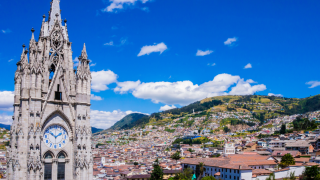
Ecuador in Kanji: The Story of “厄瓜多” and the Cultural Role of Ateji in Japanese

The kanji “厄瓜多” comes from Japan’s unique ateji tradition. By prioritizing sound over meaning, Japanese once adapted foreign country names into kanji. Although no longer common, these representations provide valuable insights into the history of the language.
LOANWORD

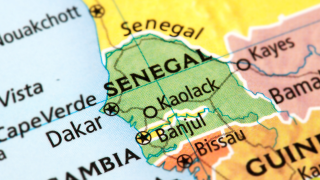
Why is Senegal Written in Kanji as “塞内加爾”? A Simple Guide to the Difference Between Sound and Meaning in Japanese

The Kanji spelling “塞内加爾” represents the country name Senegal. It is not a meaningful phrase, but a combination of characters chosen for sound. For learners of Japanese, it is fascinating because it reflects history. By studying why Kanji was used, foreigners can appreciate the flexibility of the Japanese language.
LOANWORD

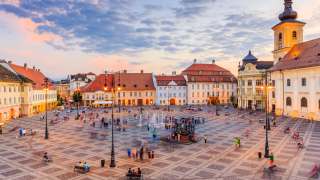
Why is Romania Written as “羅馬尼亜”? Exploring the Cultural Background of Japanese Kanji Usage

The kanji form “羅馬尼亜” for Romania comes from Japan’s unique ateji culture. It is not a translation of meaning but a way to represent the sound of “Romania” using kanji characters.
LOANWORD

Why is Chile Written in Kanji as ‘智利’? The Reason and the Cultural Meaning in Japanese

The country name “Chile” is not only written in katakana but also as “智利” in kanji. These two characters reflect not only phonetic similarity but also a positive meaning for Japanese speakers, making it an interesting learning point for Japanese learners.
LOANWORD

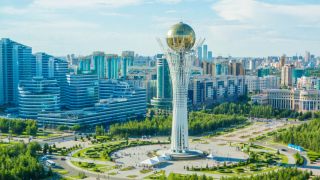
Why Is Kazakhstan Written in Kanji as “哈薩克”? Explaining Its Meaning in Japanese

The form “哈薩克” is not a translation based on meaning but a phonetic transcription of the name Kazakhstan. While rarely used in daily Japanese, it still appears in historical and academic contexts.
LOANWORD

Taylor Swift in Kanji: Exploring Japanese Name Representations by Sound and Meaning

In Japanese, foreign names can be represented in two fascinating ways. Through phonetic ateji, the sound is preserved, while meaning-based Kanji reflects the deeper essence of the name. Taylor Swift’s name becomes an excellent example, showing how language can bridge cultures and creativity.
LOANWORD

Donald Trump in Kanji: The Profound Layers of Japanese Renderings of Sound and Meaning

When a foreigner’s name is written in Japanese, it becomes more than just a translation. Kanji adds layers of meaning, symbolism, and even personality. For Donald Trump, the surname “Trump” carries the meaning of a decisive trump card, which can be reflected directly in Japanese characters. This shows how kanji transforms names into cultural symbols.
スポンサーリンク