LOANWORD

スポンサーリンク
LOANWORD

Why Is Sri Lanka Written in Kanji as “錫蘭”? Explaining Its Connection to the Former Name Ceylon

Sri Lanka has two notable Japanese kanji names: “錫蘭 (Shakuran)”, based on the old country name Ceylon, and “獅子国 (Shishikoku)”, meaning “Lion Country.” While the first is tied to tea branding and trade history, the second reflects religious and cultural identity. Together, they show how Japan’s language captures both sound and meaning in foreign expressions.

LOANWORD

What happens when Justin Bieber is written in Japanese Kanji? Exploring meanings and the charm of Ateji

When a name is written in Kanji, it can express a person’s character and story from a fresh perspective. Writing Justin Bieber as “公星美羽” transforms him from just a pop star into a poetic symbol — “a star of justice with beautiful wings.”
LOANWORD

Why is Burkina Faso Written in Kanji as “布基納法索”? A Feature of Japanese that Reflects Sound Rather than Meaning

When foreigners first encounter the kanji “布基納法索” for Burkina Faso, they may attempt to interpret its literal meaning. Yet, the characters do not describe the nation’s qualities at all. Instead, they are phonetic substitutions chosen only for their sounds. This reflects a broader Japanese tradition of ateji, where kanji are used not for meaning but for sound, linking modern usage to a long history of cultural adaptation.
LOANWORD

Why is Mali Written in Kanji as “馬里”? A Simple Explanation of Japan’s Phonetic Translation Culture

Foreigners often wonder why Mali, an inland nation in West Africa, is written in Japanese as “馬里”. This form is not about meaning but about capturing sound with Kanji. The characters “馬” (Ma) and “里” (Ri) were chosen because they match the pronunciation of Mali. This highlights how Japanese blends sound and meaning in unique ways, creating a writing system that is both functional and culturally rich.
LOANWORD

Syria Written in Kanji as ‘叙利亜’? The Historical Background Hidden in Japanese

The kanji "叙利亜" is rarely used today, but it once appeared frequently in newspapers and geography books. It reflects Japan’s tradition of expressing foreign words in kanji, and it remains essential for understanding the history of Japanese writing.
LOANWORD

Why is Austria Represented in Kanji as “墺太利” or “墺地利”? A Guide to the Japanese Origin and Meaning

The forms "墺太利" and "墺地利" are now found only in historical documents or old books. Yet, they represent Japan’s effort to incorporate foreign words into its own writing system during its encounter with the West. This article provides a clear explanation of the background and significance of these forms.
LOANWORD

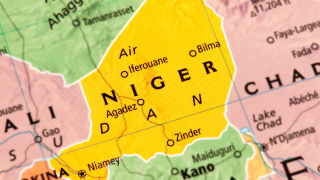
Is Niger Written in Kanji as “尼日爾”? The Origins and Meaning of Its Notation in Japanese

The Kanji spelling “尼日爾” for Niger may look unusual to foreigners, since the characters themselves mean “nun,” “sun,” and “you.” However, this notation is not about meaning—it is an ateji (phonetic borrowing), where Kanji were chosen simply to match the sounds of the word. Such forms reveal Japan’s creative way of writing foreign names before Katakana became the norm.
LOANWORD

Why is Venezuela Written as “委内瑞拉”? A World Where Sound Matters More than Meaning

The Chinese character notation "委内瑞拉" for "Venezuela" may seem puzzling to many foreigners. In fact, it is a direct phonetic transliteration from Chinese, created not to describe the country’s features but to reproduce its sound. This article explains the background of this form, along with examples from other countries, in an easy-to-understand way.
LOANWORD

Nepal Written in Kanji as “尼婆羅”? An Explanation of Its Japanese Origin and Meaning

In Japanese, Nepal is represented with the Kanji “尼婆羅”. This form prioritizes sound over meaning and spread through the transmission of Buddhism. Here, we explore its historical development and why it matters for foreign learners.
LOANWORD

Birmingham’s Chinese Name “伯明翰”: Understanding the Difference Between Japanese and Chinese

The city name “Birmingham” is written in Katakana in Japanese and in Chinese characters in Chinese. At first glance, the characters may seem to carry special meaning, but in reality, they are chosen only to reflect the sound. This article explains the background and provides a clear comparison between Japanese and Chinese ways of writing place names.
スポンサーリンク