LOANWORD

スポンサーリンク
LOANWORD

Why Is Philadelphia Written in Kanji as “費府”? The Background of Ateji Culture in Japanese

The representation “費府” may mislead foreigners into thinking it means “an expensive city,” but in fact it was chosen purely for sound. The addition of “府,” a character symbolizing a major city in Japanese, highlights Philadelphia’s importance.

LOANWORD

Hannya Explained: A Symbol of Japanese Culture and Buddhism for Foreigners

The Hannya mask is often misunderstood as a mere demon mask, but its meaning runs far deeper. In Buddhism, Hannya embodies wisdom that frees the mind from attachment, while in Noh theater it symbolizes a woman’s transformation into a demon due to overwhelming emotions. By seeing both perspectives, foreigners gain a more complete understanding of Japan’s unique way of expressing the human heart.
LOANWORD

Is Phoenix Written in Kanji as ‘不死鳥’? A Guide to Its Distinction from Katakana Notation

In Japanese, Phoenix can be represented in two main ways: katakana for the city name and kanji for its mythological meaning. Understanding these forms reveals not only the structure of the word but also the symbolic depth embedded in Japanese culture.
LOANWORD

Cameroon in Japanese: ‘喀麦隆’ or ‘喀麥隆’? A Guide to the Chinese-Origin Transcription

In Japanese, foreign country names are typically written in Katakana. Yet Cameroon has unusual forms: “喀麦隆” and “喀麥隆” in Kanji. These are evidence of Chinese phonetic influence on Japanese, providing insights into the shared linguistic history of East Asia.
LOANWORD

Why Is Seoul Written as “首爾”? Uncovering the History Behind “漢城” and “京城”

Today, Seoul’s only official name is the native Korean word “서울”. Yet in Chinese and some other languages, the characters “首爾” are still used. This article explores why this difference exists by examining history and culture.
LOANWORD

What Image Do Japanese People Have of Beijing? The Capital Where Charm and Concerns Coexist

For Japanese people, Beijing represents two different faces. On one hand, it is an ancient capital filled with cultural treasures such as the Forbidden City and the Great Wall. On the other, it is a fast-developing global metropolis that impresses with skyscrapers and advanced technology. Yet, challenges such as traffic congestion and rising costs shape their view as well.
LOANWORD

The Reason Côte d’Ivoire Was Called “Ivory Coast” and Its Current Official Name

For decades, Japanese maps and textbooks labeled the country as “Ivory Coast”, reflecting the region’s history as a center of ivory trade. But the nation sought to distance itself from colonial-era labels, and now the only correct term is “Côte d’Ivoire”. This shift shows how a country’s name embodies dignity, independence, and global recognition.
LOANWORD

Why Was Houston Written in Japanese Kanji as “阿西亜尼亜” or “飛有棲屯”? The History of Phonetic Transcription from the Meiji to Showa Era

Before katakana became the norm, Japan often used kanji to represent foreign names phonetically. Houston, for example, appeared as “阿西亜尼亜” and “飛有棲屯.” These spellings show how Japan balanced Chinese influence, visual style, and sound approximation when dealing with new global words.
LOANWORD

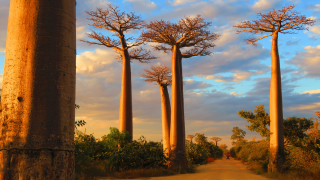
Why Madagascar Is Written as “馬達加斯加” in Japanese Kanji

Foreign names were once written in Japan using phonetic kanji instead of katakana. Madagascar became 「馬達加斯加」, with each character chosen to approximate the sound. By learning this, we see how Japan balanced tradition and adaptation in representing foreign words.
LOANWORD

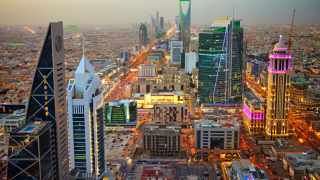
Why is Saudi Arabia Represented in Kanji as “沙地亜剌比亜” or “沙烏地阿拉伯”? Understanding the Role of Ateji in Japanese

The old kanji form of Saudi Arabia, “沙烏地阿拉伯,” cannot be understood by literal meaning. It is based on a transliteration borrowed from Chinese and serves as an example of how Japanese historically absorbed foreign words.
スポンサーリンク