LOANWORD

スポンサーリンク
LOANWORD

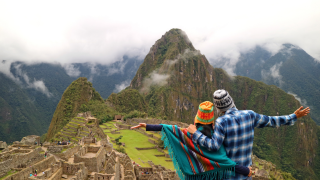
Why is Peru Written as “秘露” in Japanese Kanji? An Explanation of Ateji Culture for Foreign Readers

The term “秘露” was invented to represent the name Peru in Japanese. Its characters have no direct meaning related to the country but reflect a historical practice from the Meiji era. This article explains the background of this form, comparing it with other country name adaptations.

LOANWORD

Why Do Japanese Write Ghana as “加納”? An Easy Guide to the History of Japanese Writing

For foreigners, the kanji “加納” can be confusing. It is both a common Japanese surname and place name, but it was also used as an ateji for Ghana. While modern Japanese relies on katakana, old documents may still show Ghana written as 加納. This article helps clarify the difference.
LOANWORD

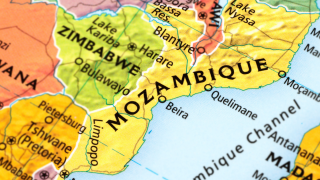
Explaining Clearly Why Mozambique Is Written as “莫三鼻給” in Japanese Kanji

Japanese writing sometimes uses kanji purely for their sounds rather than meanings. The country Mozambique, once written as “莫三鼻給,” is a striking example. For foreigners, this may look strange, but it reveals an important aspect of Japanese culture: the flexibility of the writing system to adapt foreign words.
LOANWORD

Israel in Kanji is 「以色列」? A Japanese Language Trivia Every Foreigner Should Know

For learners of Japanese, seeing Israel written as 「以色列」 may look confusing. However, this notation is a historical phonetic borrowing. Kanji here do not convey meaning, but approximate the sound of the word. This shows how Japanese integrated foreign names through Chinese transcription.
LOANWORD

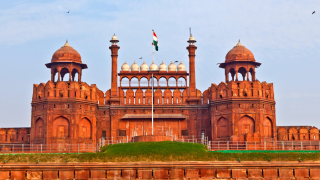
Why is India’s Capital Delhi Written as 「德里」? The Link Between Kanji Culture and Japanese Writing

When foreigners encounter 「德里」 in old Japanese maps or newspapers, it may seem confusing. Yet this form reflects how Japanese once relied on kanji to approximate foreign sounds before katakana became the standard. By exploring this, we can see how language and culture intertwined in Japan’s adaptation of world geography.
LOANWORD

Why Doesn’t Las Vegas Have a Kanji Spelling in Japanese? A Clear Guide to How Foreign Place Names Are Written

In Japanese, Las Vegas is written only in katakana, never in kanji. The reason lies in both historical context and modern writing conventions, making 「ラスベガス」 the only accepted spelling without exception.
LOANWORD

Why is London Written as “倫敦” in Japanese Kanji? Exploring the History of this Unique Spelling

The kanji spelling 倫敦 for London comes from a tradition of phonetic transcription using Chinese characters. In the 19th century, when katakana was not yet the dominant script, educated Japanese used kanji to give foreign names prestige and readability. This practice shows how language adapts to culture and how Japan’s writing system once mirrored Chinese influence.
LOANWORD

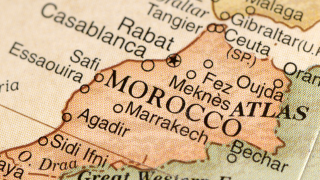
What Is the Origin of Morocco’s Kanji Forms like “摩洛哥” and “馬羅哥”? Exploring the Ingenuity and Cultural Background of Japanese Language

Before katakana became standard, Japanese often used kanji to phonetically represent foreign words. "Morocco" is one such example, historically rendered as "摩洛哥", "馬羅哥", or even "茂禄子". Each character was carefully selected not just for sound, but also for symbolic meaning. In this article, we’ll uncover how these spellings reflect linguistic creativity and cross-cultural interpretation.
LOANWORD

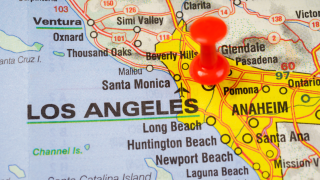
Why Is Los Angeles Written as “羅府”? The Wisdom of Japanese Language Reflected in Kanji Sound and Meaning

Though commonly referred to as “Los Angeles,” the city was once rendered as “羅府” in Japanese. This form is not just a sound-based translation, but a culturally intentional expression that carries respect for the city's stature and symbolizes its expansive character. This article delves into the linguistic and cultural dimensions of the term “羅府.”
LOANWORD

Why Is New York Written as “紐育” in Japanese Kanji? Understanding the Rules of Ateji Through Comparisons with Other Cities

In modern Japanese, foreign city names are usually written in katakana. But in the past, names like New York were expressed in kanji, such as "紐育". This article explores why this ateji was chosen, and what it reveals about the linguistic creativity and cultural mindset of the time. By comparing with other examples, we’ll see how phonetic representation met aesthetic judgment.
スポンサーリンク