TOPIC

スポンサーリンク
TOPIC

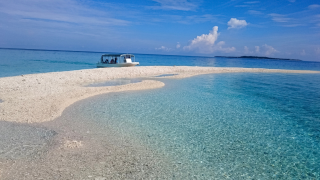
Reputation of Amami Oshima, Tokunoshima, Northern Okinawa, and Iriomote: World Natural Heritage Status and Visitor Impressions

These islands are often described as “Japan’s hidden paradises.” Their reputation stems not only from natural beauty but also from safety and the kindness of residents. For Japanese, they are a source of pride; for foreigners, they are safe and unforgettable travel destinations.
TOPIC

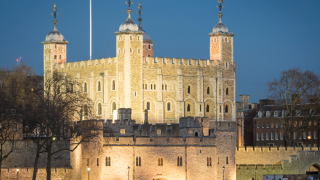
Comprehensive Look at Japanese Reviews and Experiences at the Tower of London

Steeped in centuries of history, the Tower of London has fascinated travelers worldwide. Japanese visitors, in particular, view it not only as a fortress but as a symbol of English heritage that resonates with their own cultural background. From the magnificent Crown Jewels to the haunting history of executions, Japanese reviews describe the Tower as a place that leaves a lasting impression beyond typical sightseeing.
TOPIC

Why is Uzbekistan Written in Kanji as “月即別”? The Historical Notation Found in Old Documents

Foreign learners of Japanese are often surprised to see Uzbekistan represented as “月即別” in old texts. This notation is part of a broader tradition where Kanji were used to capture foreign sounds rather than meanings. By studying these forms, readers can explore how Japan and China shaped their understanding of the outside world through language.
TOPIC

Tomioka Silk Mill and the Silk Heritage of Japan – Understanding Japanese Voices of Modernization

The Tomioka Silk Mill and Related Heritage Sites in Gunma Prefecture, Japan, were inscribed as a UNESCO World Cultural Heritage Site in 2014. For many Japanese people, visiting these places is not just sightseeing; it is an encounter with the roots of Japan’s modernization and a moment to feel pride in their nation’s contribution to the world silk industry.
TOPIC

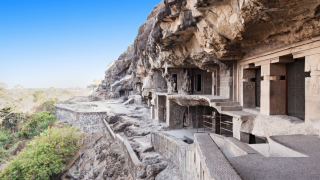
The Charm of the Ajanta Caves as Told by Japanese Visitors

The Ajanta Caves, listed as a UNESCO World Heritage Site, represent a unique fusion of Buddhist spirituality and artistic mastery. Japanese visitors often describe their impressions as a special encounter where nature and history merge into one unforgettable experience.
TOPIC

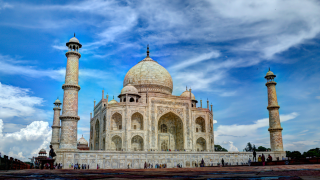
The Beauty and Wonder of the Taj Mahal Through Japanese Eyes

When Japanese travelers visit the Taj Mahal, they are captivated by the glow of white marble and its dreamlike atmosphere. This experience is not just tourism but a gateway to a deeper understanding of culture and history.
TOPIC

What Do Japanese Travelers Think of Las Vegas? A City Where the Extraordinary and Comfort Coexist

When Japanese travelers describe Las Vegas, they often emphasize its extraordinary scale and vibrant atmosphere. From world-class entertainment to gourmet dining and tours to the Grand Canyon, Las Vegas delivers a mix of experiences unlike anywhere else. Learning how Japanese visitors perceive these attractions offers an additional perspective for international travelers seeking a complete picture of the city.
TOPIC

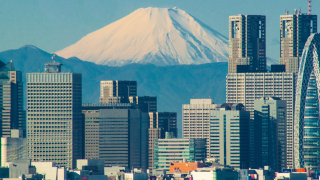
What Symbol of the Heart Do the Japanese See in Mount Fuji – An Object of Worship and Source of Artistic Inspiration?

Rising above the landscapes of Shizuoka and Yamanashi, Mount Fuji is cherished not only for its majestic beauty but also for its deep spiritual and cultural meaning. For centuries, Japanese people have viewed Fuji as a guardian, a muse, and a source of pride, while artists and poets have celebrated its form in countless works. Today, foreign visitors can discover how this single mountain embodies Japan’s heart.
TOPIC

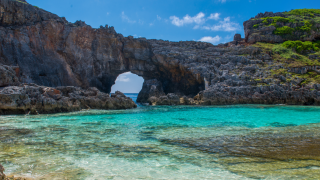
Japanese Voices on the Charm and Wonders of the Ogasawara Islands – Experiencing Special Moments in a World Natural Heritage Site

For Japanese travelers, visiting the Ogasawara Islands is a once-in-a-lifetime journey. Beyond the crystal-clear sea and starry skies, they find lessons about cultural history, environmental preservation, and the value of slowing down.
TOPIC

The Fusion of Beauty and Spirituality in Japanese Perspectives on Hiraizumi – The Architectural, Garden, and Archaeological Sites Representing the Buddhist Pure Land

Hiraizumi was designed as a grand attempt to recreate the Buddhist Pure Land in this world. Impressions left by Japanese visitors often speak of tranquility, healing, and a longing for peace, making it far more than just a sightseeing spot.
スポンサーリンク