TOPIC

スポンサーリンク
TOPIC

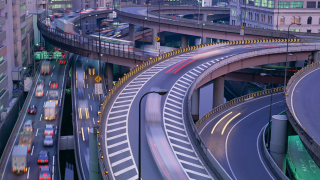
Highways Going Underground? How the Nihonbashi Expressway Relocation is Ushering in a New Era for Tokyo

By moving the Shuto Expressway underground, Tokyo is reclaiming the open sky above Nihonbashi for the first time in decades. The project will not only revive historical scenery but also promote environmental improvements, economic growth, and enhanced quality of life for residents and visitors alike.
TOPIC

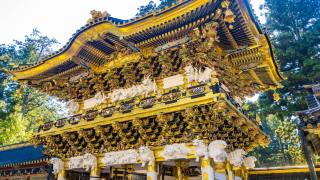
Experiencing the “Spirit of Japan” at the Shrines and Temples of Nikko — A Journey into the Japanese Sensibility Woven from History and Nature

To many Japanese, visiting the shrines and temples of Nikko is an experience that offers more than visual delight—it is a spiritual journey. These sacred spaces are rich with history, symbolism, and seasonal changes that speak deeply to the heart. This article reveals what makes Nikko truly special in the eyes of Japanese people, and how international visitors can embrace its full cultural impact.
TOPIC

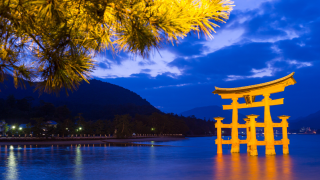
What Is the Floating Shrine, Itsukushima Shrine? Exploring Why It Moves the Hearts of the Japanese

Located on Miyajima Island in Hiroshima, Itsukushima Shrine is far more than a tourist destination for Japanese people—it is a spiritual sanctuary. Surrounded by sea, forest, and sacred structures, the shrine evokes a deep sense of tranquility and reverence. This article explains its appeal through the lens of Japanese sensibilities and values, making it accessible to international visitors.
TOPIC

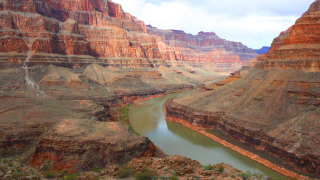
Explaining the Charm of the Grand Canyon from a Japanese Perspective

Stretching across the heart of Arizona, the Grand Canyon is a masterpiece shaped by millions of years of nature’s work. Japanese visitors often describe it as “beyond imagination” and cherish the contrast between its overwhelming scale and serene silence. Here, we share the distinct impressions and travel habits of Japanese tourists so foreign travelers can discover the canyon in a deeper, more meaningful way.
TOPIC

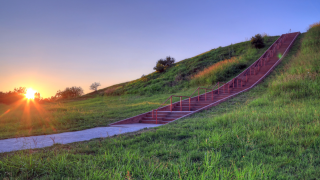
Why Were Japanese Tourists Moved by the Cahokia Mounds? Reflections on History and the Power of Nature

In a nation often associated with skyscrapers and high-tech cities, the ancient ruins of Cahokia Mounds offer a stark and spiritual contrast. Japanese tourists are often struck by the silence, the scale, and the sacred presence of the land. This article provides a foreign audience with Japanese reactions and interpretations, helping to uncover the unseen depth of America’s forgotten past.
TOPIC

40 Years Since the JAL Crash: The Pledge of Safety and Lessons from Mount Osutaka

The story of JAL Flight 123 is more than a record of loss; it is a warning etched into the core of aviation safety. From the improper repair of a pressure bulkhead to the heroic efforts of the crew, every detail speaks to the need for constant vigilance and uncompromising safety culture. Four decades on, the voices of survivors and families still urge us to remember.
TOPIC

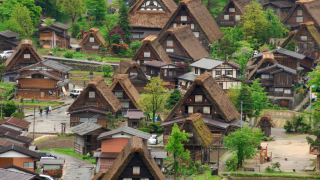
World Heritage Beauty and History of the Gassho-style Villages of Shirakawa-go and Gokayama

Designated as a UNESCO World Heritage site, Shirakawa-go and Gokayama captivate visitors with ever-changing seasonal beauty and unique architectural styles. By exploring Japanese impressions, we uncover their true essence.
TOPIC

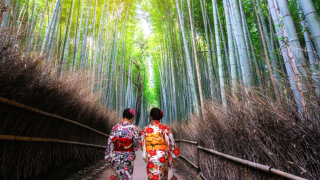
The Appeal of the Historic Monuments of Ancient Kyoto as Told by Japanese, and Perspectives Foreign Visitors Should Know

Designated as a UNESCO World Cultural Heritage site in 1994, the Historic Monuments of Ancient Kyoto embody over a thousand years of Japanese history and spiritual tradition. Japanese visitors often speak of a timeless sense of peace when walking through these sites. For foreign travelers, understanding the cultural background and etiquette can transform a simple visit into a truly meaningful journey.
TOPIC

The Appeal of the 20th-Century Architectural Works of Frank Lloyd Wright as Perceived by the Japanese and Their Value as a World Heritage Site

Known for integrating nature and architecture into a seamless whole, Frank Lloyd Wright created some of the most influential buildings of the modern era. In 2019, ten of his masterpieces were recognized as UNESCO World Heritage Sites under the title “20th-Century Architecture of Frank Lloyd Wright.” In Japan, his name resonates not only with architects but also with the general public, thanks to his enduring connection to Japanese culture. Here, we share Japanese impressions of these works and why they continue to inspire.
TOPIC

Why Is South Africa Written as ‘南阿弗利加’ in Japanese? – The Relationship Between Chinese Phonetic Transcription and Kanji Culture

The kanji spelling "南阿弗利加" is more than just an old term. It embodies Chinese-derived phonetic transcription, traditional Japanese writing conventions, and a rich historical background. In this article, we break down its formation and meaning in a way that is accessible to international readers.
スポンサーリンク