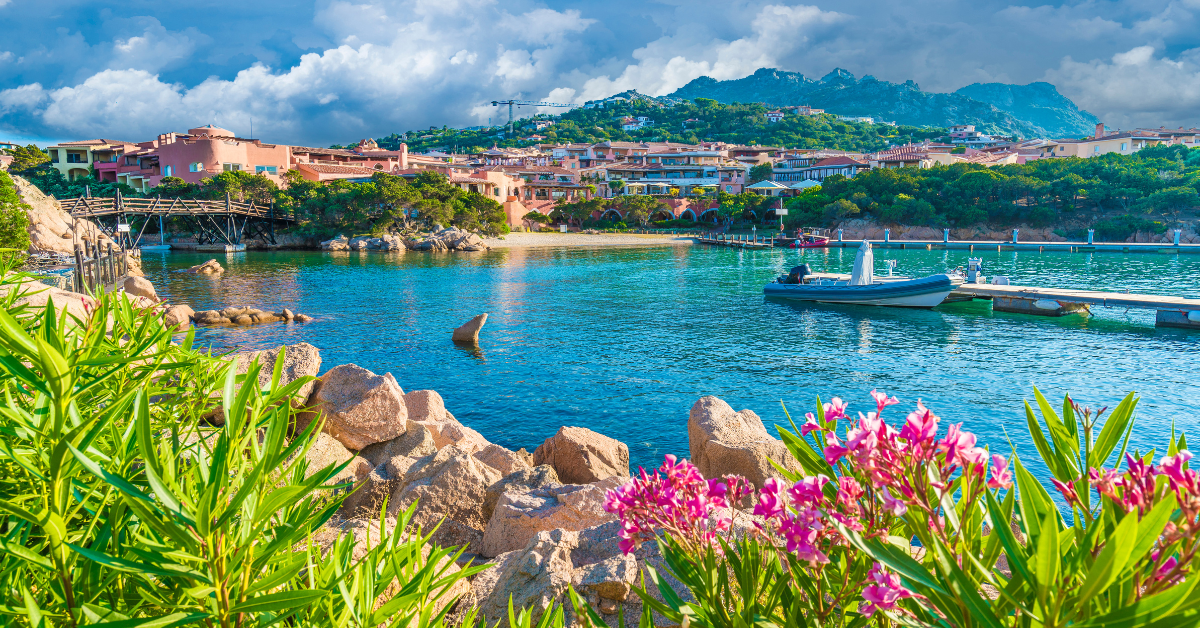


In JoJo’s Bizarre Adventure Part 5, the fearsome boss Diavolo is said to be born in Olbia, a city in the northeastern region of Sardinia. The location of Costa Smeralda, where Doppio, Diavolo’s other personality, battles Risotto Nero, is a real-life ultra-luxury resort. This article introduces real-world scenery that matches these iconic scenes from the anime, exploring the appeal of pilgrimage to JoJo’s fans.
What is Olbia, Diavolo’s Hometown?
A historic city where Sardinian culture and nature intertwine
Olbia is a historic port city located in northeastern Sardinia. With its clear blue waters and centuries-old architecture, it attracts countless visitors every year. Although not explicitly mentioned in the anime, fans believe that Diavolo’s birthplace is modeled on Olbia, especially considering the background in the scenes involving a mysterious church.
The city’s tranquil atmosphere and slightly shadowed streets perfectly match Diavolo’s enigmatic past, deepening your understanding of the story when you visit.
Basic Information on Olbia
| Item | Details |
|---|---|
| Country | Italy |
| Region | Northeastern Sardinia |
| Features | Port town, airport, tourism hub |
| Transportation | Olbia Costa Smeralda Airport |
| JoJo Reference | Assumed to be Diavolo’s birthplace |
Costa Smeralda – The Scene of Risotto’s Battle
A gem of a coastline glowing emerald green
Costa Smeralda (Emerald Coast), just north of Olbia, is one of the most beautiful coastal areas in the Mediterranean. Luxurious villas and elegant yacht harbors line its crystal-clear shores. In Part 5, the battle between Doppio and Risotto takes place on rocky seaside terrain strongly resembling this area. The alignment between anime scenery and real-world views is stunning.
Scene Comparison – Anime vs. Reality
| Anime Scene Description | Real Location Characteristics |
|---|---|
| Confrontation on rocky ground | Natural coast with many rock formations |
| Blue sea shimmering in the back | Crystal-clear emerald waters |
| Open, flat landscape | Wide beaches and open terrain |
| Tense silence in the atmosphere | Quiet and serene, especially off-peak |
| Sky and sea blending into one | Visually striking horizon |
Best Season and Tips for Pilgrimage
How to plan a comfortable journey to the sacred sites
Sardinia has a Mediterranean climate—warm and dry summers, and mild winters. Ideal pilgrimage periods are May to June and September, when temperatures are pleasant and tourist crowds are manageable. July and August bring heavy crowds and higher costs, so advance booking is essential during this time.
| Month | Avg Temp (℃) | Crowds | Comments |
|---|---|---|---|
| May | 18–24 | Low | Mild weather and quiet attractions |
| June | 22–28 | Medium | Great for swimming and sightseeing |
| July–Aug | 26–32 | High | Very crowded, high accommodation cost |
| September | 24–30 | Medium | Great balance of warmth and calm |
| October | 20–25 | Low | Cooler, ideal for peaceful visits |
Getting Around and Local Transportation
Efficient access from Olbia to pilgrimage locations
Since Olbia has an international airport, it’s easily reachable from major Italian cities like Rome or Milan. The best way to get around is by rental car, especially for visiting coastal spots like Costa Smeralda. While buses are available, they are limited in schedule and not ideal for those with tight travel plans.
Transport Method Comparison
| Method | Time (Olbia → Costa Smeralda) | Advantages | Disadvantages |
|---|---|---|---|
| Rental Car | About 30–40 minutes | Flexible and efficient | Parking may be difficult |
| Bus | About 1 hour | Cost-effective | Infrequent service, limited routes |
| Taxi | About 30 minutes | Convenient and relaxing | Can be expensive |
What Pilgrimage Means for JoJo Fans
Experiencing the emotion by standing on the ground of the story
Pilgrimage isn’t just about seeing a place—it’s about feeling the story through your senses. Visiting the church in Olbia, presumed to be tied to Diavolo’s origins, brings a deeper appreciation of his mysterious backstory. Standing on the coast where Doppio faced Risotto, the sea breeze, sounds, and scenery bring the episode to life in a way that surpasses watching or reading alone.
This sensory immersion allows you to re-experience JoJo’s world in three dimensions, making it a unique and powerful journey for any fan.
How to Enhance the Pilgrimage Experience
Tips for memories and creative enjoyment
There are no official JoJo signs or monuments in the area, but the landscapes themselves are the souvenirs. Posing with a JoJo-style “Stand user” stance, sharing photos online, or even bringing handmade themed props can make your trip interactive and memorable. Connecting with fellow fans locally or online also adds another layer of enjoyment.
Recommended Pilgrimage Gear for Fans
| Item | How to Use |
|---|---|
| Custom Stand name plaque | For unique photo sessions |
| Cosplay or JoJo outfits | Pose in key locations |
| JoJo-themed notebook | Record impressions, sketches, or thoughts |
| Shells collected locally | Keep as a “token” from the sacred ground |
Conclusion
A journey where fiction and reality intertwine
Olbia and Costa Smeralda are core locations in JoJo Part 5, filled with symbolic meaning. From Diavolo’s hidden origins to the intense battle between Risotto and Doppio, the places anchor the story and bring it to life in a tangible way.
What makes this trip unique is not only the scenery but the experience of walking through the same places the characters did. This journey is about more than tourism—it’s about stepping into JoJo’s world, feeling the depth of the story with each step you take.
For any JoJo fan, Olbia is more than just a travel destination—it is a sacred place that adds a new chapter to your own JoJo journey.