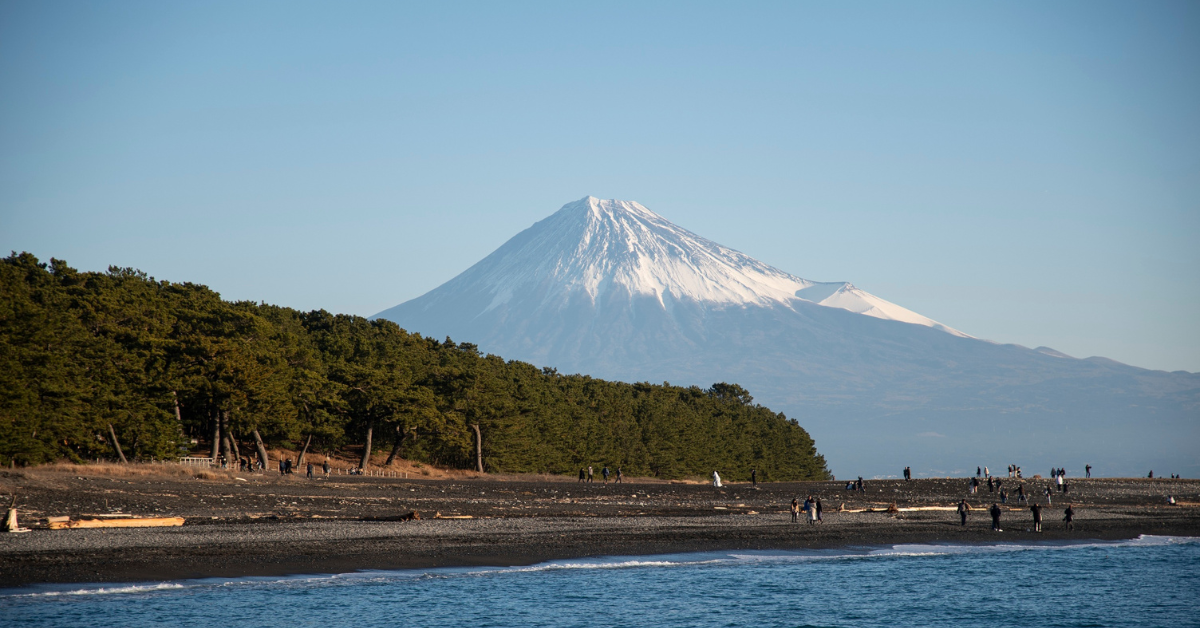


The beach where Deku trained with All Might in the anime My Hero Academia is based on a real-life location in Shizuoka Prefecture. This scenic area, which inspired the setting of the training scenes, is believed to reflect the atmosphere of Miho no Matsubara and the nearby Takoba Seaside Park. This article dives into the charm of this anime pilgrimage site, how to get there, and how fans can enjoy the connection between fiction and reality.
- What Is Miho no Matsubara? A Stunning Scenic Spot and the Real-Life Inspiration Behind the Anime
- The Origin of Takoba Seaside Park and Its Connection to Star Wars
- Access and Best Times for an Anime Pilgrimage
- How Fans Can Enjoy the Experience and Important Etiquette
- Recreating Anime Moments on Location
- Conclusion
What Is Miho no Matsubara? A Stunning Scenic Spot and the Real-Life Inspiration Behind the Anime
Harmony of History and Natural Beauty at Miho no Matsubara
Miho no Matsubara is known for its 7-kilometer stretch of pine groves and scenic white sand coastlines with Mount Fuji in the background. As one of Japan’s most celebrated scenic spots, it has long been a source of inspiration for poets and artists. It is also part of a UNESCO World Cultural Heritage Site, and home to the famous “Hagoromo no Matsu” tree, tied to a local celestial maiden legend.
This majestic landscape is used in My Hero Academia to depict the training grounds where Deku pushes his physical and mental limits. The setting provides authenticity and depth to the anime’s symbolic moments of growth.
Connection with the Anime and Fan Appeal
The trash-filled beach where Deku trains in the anime is modeled after Takoba Seaside Park, located in Shimizu Ward, Shizuoka. While the name is inspired by the “Dagobah” planet from Star Wars, the actual scenery reflects the tranquil seaside of Shizuoka.
In reality, the beach is clean and well-maintained, offering a stark yet meaningful contrast to the anime’s rugged portrayal. This difference enhances the site’s impact as a sacred place for fans.
| Basic Information on Miho no Matsubara | Details |
|---|---|
| Location | Shimizu Ward, Shizuoka City, Shizuoka Prefecture |
| Recommended Duration | 1 to 2 hours |
| World Heritage Status | Part of Mount Fuji’s cultural assets |
| Highlights | Hagoromo Pine Tree, views of Mt. Fuji, scenic beach |
The Origin of Takoba Seaside Park and Its Connection to Star Wars
A Unique Name Inspired by Dagobah
Takoba Seaside Park derives its name from the planet Dagobah in Star Wars, a foggy, swamp-covered planet where Jedi undergo intense training. Similarly, My Hero Academia portrays this area as a place where characters face internal struggles and grow stronger through rigorous physical effort.
This reference bridges sci-fi and anime, adding layers of narrative and visual meaning. The serene atmosphere of the real park subtly echoes the emotional tone of Deku’s journey, enhancing the anime’s realism.
What the Park Offers Visitors
The actual park is quiet and calming, perfect for peaceful strolls and ocean views. A paved walking path lines the coast, often used by locals and visitors alike. The blend of natural beauty and symbolic meaning makes it a compelling destination for fans.
| Features of Takoba Seaside Park | Details |
|---|---|
| Name Origin | Derived from Star Wars’ Dagobah |
| Location | Coastal Shimizu Ward, Shizuoka |
| Visitor Type | Locals, anime fans, families |
| Atmosphere | Calm, quiet, oceanfront relaxation |
Access and Best Times for an Anime Pilgrimage
How to Get to Miho no Matsubara and Takoba Seaside Park
| Starting Point | Transportation | Estimated Time |
|---|---|---|
| Shizuoka Station | Bus to Miho area → Walk from Miho Matsubara entrance | Approx. 50 mins |
| Shimizu Station | By car or rental bicycle | Approx. 25 mins |
| Shizuoka Airport | Bus to Shizuoka Station → Transfer to Miho bus | Approx. 90 mins |
Ideal Times to Visit
Spring and autumn offer the clearest skies and the most vivid views of Mount Fuji. Evening visits provide stunning sunsets, ideal for reflective moments or capturing scenic photos. Weekday mornings are best for a quiet experience.
| Visiting Season | Characteristics |
|---|---|
| March–May | Fresh greenery and blooming flowers |
| June–August | Warmer weather and lively crowds |
| September–November | Clear skies, moderate temperatures |
| December–February | Crisp air and excellent Fuji views |
How Fans Can Enjoy the Experience and Important Etiquette
Recreating Anime Moments on Location
Many fans enjoy recreating scenes or photographing themselves in the setting. However, it’s essential to respect local rules and preserve the area’s serenity. Always take your trash home and avoid loud gatherings.
Suggested Activities for Fans
- Recreate specific anime scenes through photography
- Reflect quietly by the ocean like the characters
- Take a solo walk while recalling story moments
Nearby Attractions to Visit After Your Pilgrimage
Enhance your trip by exploring other local highlights. These Shizuoka-exclusive spots are perfect to round out your visit.
| Nearby Attraction | Features | Distance |
|---|---|---|
| Tokai University Marine Science Museum | Exhibits on marine life and deep-sea creatures | About 2 km |
| Shimizu Port | Fresh seafood and restaurants | About 5 km |
| S-Pulse Dream Plaza | Souvenirs, Ferris wheel, cinema | About 6 km |
Conclusion
The training scenes in My Hero Academia represent more than physical challenge—they symbolize growth, resilience, and identity. The scenery of Shizuoka provides a real-world anchor to those themes, deepening the emotional resonance.
Standing at this beach, breathing in the salty air, and gazing at the waves, fans may find a sense of connection with Deku’s journey. This site becomes not just a location, but a mirror to the viewer’s own aspirations and struggles.
Visiting Miho no Matsubara offers an experience that transcends fandom. It’s a reminder that the fictional journeys we cherish often reflect something real within ourselves.