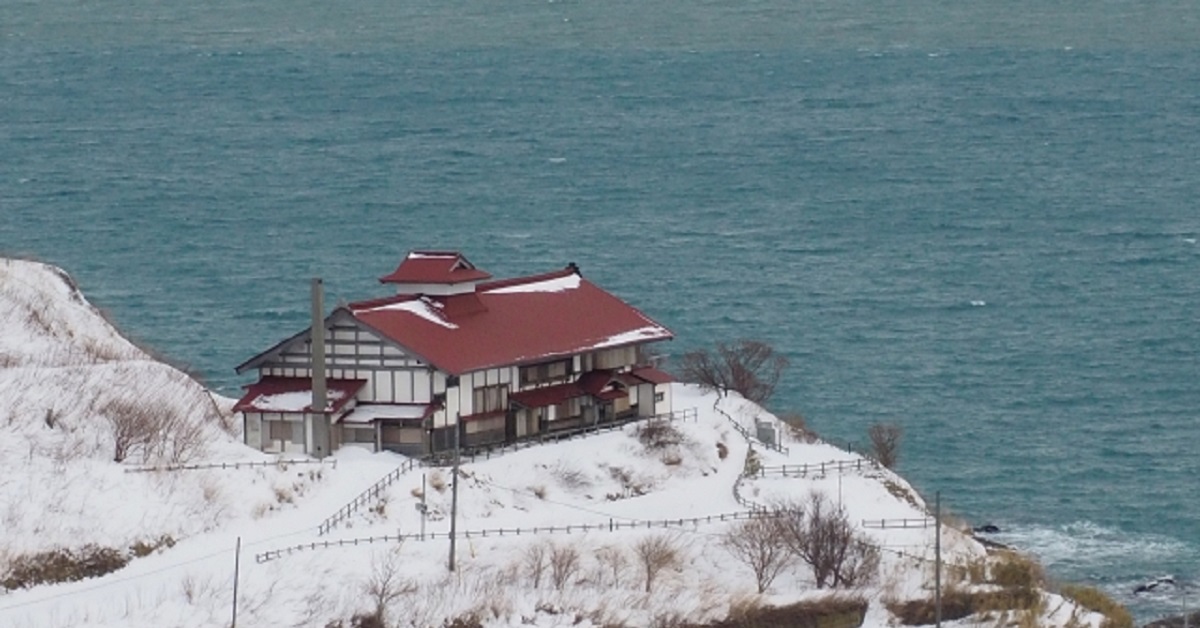


Located in Otaru City, the Herring Mansion is believed to be the model for the “herring cabin” where Henmi Kazuo hid in the popular manga Golden Kamuy. This historically rich structure not only ties into the story’s setting but also offers insights into the fishing culture of Hokkaido during the Meiji era. In this article, we explore the appeal of this sacred site and delve into the background of the actual building that inspired the story.
Why the Herring Mansion is a Must-Visit Pilgrimage Site
Golden Kamuy and Its Connection to Otaru
Set in late-Meiji-era Hokkaido, Golden Kamuy is known for its detailed depiction of real locations and historical elements. Otaru is one of these key locations, playing a significant role in the story’s development. Among them, the Herring Mansion in Shukutsu is regarded by fans as the model for the herring cabin where Henmi Kazuo sought refuge, making it a prominent pilgrimage site.
Golden Kamuy × Otaru: Real World Locations
| Scene in the Manga | Real Location | Related Characters |
|---|---|---|
| Herring Cabin | Herring Mansion, Shukutsu | Henmi Kazuo |
| Port Market Area | Central Market, Otaru | Sugimoto Saichi, Asirpa |
| Stone Warehouse | Otaru Canal Warehouse | Battle with escaped convicts |
Henmi Kazuo and the Herring Cabin Setting
Who is Henmi Kazuo?
Henmi Kazuo is one of the manga’s most unique and disturbing characters. As an escaped convict obsessed with death, his presence is unsettling, adding layers of tension and unease whenever he appears. The herring cabin where he hides is more than a location—it reflects his chaotic nature and becomes the stage for one of the story’s most intense battles.
Character Profile and Connection to the Cabin
| Element | Description |
|---|---|
| Personality | Obsessed with death; displays violent madness |
| Hideout Location | Remote coastal cabin (modeled after the mansion) |
| Role of Cabin | Represents his isolation and insanity |
| Story Impact | Site of a deadly confrontation with protagonists |
Comparing the Manga Scene with the Real Mansion
| Aspect | Real Herring Mansion | Fictional Herring Cabin |
|---|---|---|
| Structure | Wooden, single-story with large beams | Simple, wooden, and spacious interior |
| Atmosphere | Quiet and solemn seaside location | Closed-off and tense ambiance |
| Usage | Fishermen’s work and lodging area | Hideout and battleground |
Historical and Cultural Significance of the Herring Mansion
The Golden Era of Herring Fishing
During the Meiji and Taisho periods, herring fishing brought immense prosperity to Hokkaido, leading to the construction of grand buildings like the Herring Mansion. The former Aoyama Villa in Shukutsu, Otaru, is especially well-known for its luxurious design, standing as a symbol of that era’s affluence. These buildings served as both workstations and dormitories for fishermen, offering a glimpse into the communal lifestyle of the time.
Key Features of the Herring Mansion
| Feature | Description |
|---|---|
| Architectural Style | Wooden, single-story with some two-story areas |
| Purpose | Lodging and work area for herring fishermen |
| Historical Value | Preserves the culture of Meiji-era fishing |
| Current Use | Open to the public as a museum and cultural site |
What You Can Experience at the Herring Mansion Today
A Unique Tourist Attraction
The mansion is now open as a historical museum, where visitors can explore the tools, daily items, and clothing used by fishermen in the past. Guided tours are available, enhancing your understanding of the era. Overlooking the Sea of Japan, the location provides not only cultural insight but also picturesque coastal views.
For Golden Kamuy Fans: Immersive Exhibits
Inside the facility, there are occasionally Golden Kamuy-related displays and photo spots, allowing fans to fully immerse themselves in the world of the manga. Standing in the real-life setting that inspired the story lets you relive the atmosphere of those intense scenes, making it an unforgettable experience.
What to Know Before Visiting the Herring Mansion
Access and Visitor Information
| Category | Details |
|---|---|
| Location | Shukutsu 3-chome, Otaru, Hokkaido |
| Access | About 25 minutes by bus from Otaru Station |
| Admission | 300 yen for adults, free for children |
| Hours | 9 AM to 5 PM (varies by season) |
| Duration | Approximately 30 to 60 minutes |
| Cautions | May close in winter; check ahead |
Tips for Visitors
Because of its wooden structure and coastal climate, warm clothing and sturdy footwear are recommended, especially in winter. Be mindful of potentially slippery floors and uneven surfaces throughout the facility.
Conclusion
The Herring Mansion in Otaru offers a rare opportunity to step into the world of Golden Kamuy while simultaneously exploring the cultural heritage of Hokkaido’s fishing era. Known as the model for Henmi Kazuo’s hideout, this site captivates fans and history enthusiasts alike.
Whether your purpose is manga pilgrimage or cultural exploration, the atmosphere of the mansion bridges the fictional world with reality. By walking through its halls and observing its details, you’ll gain a deeper appreciation not only for the story but also for the people who once lived and worked in these iconic buildings.