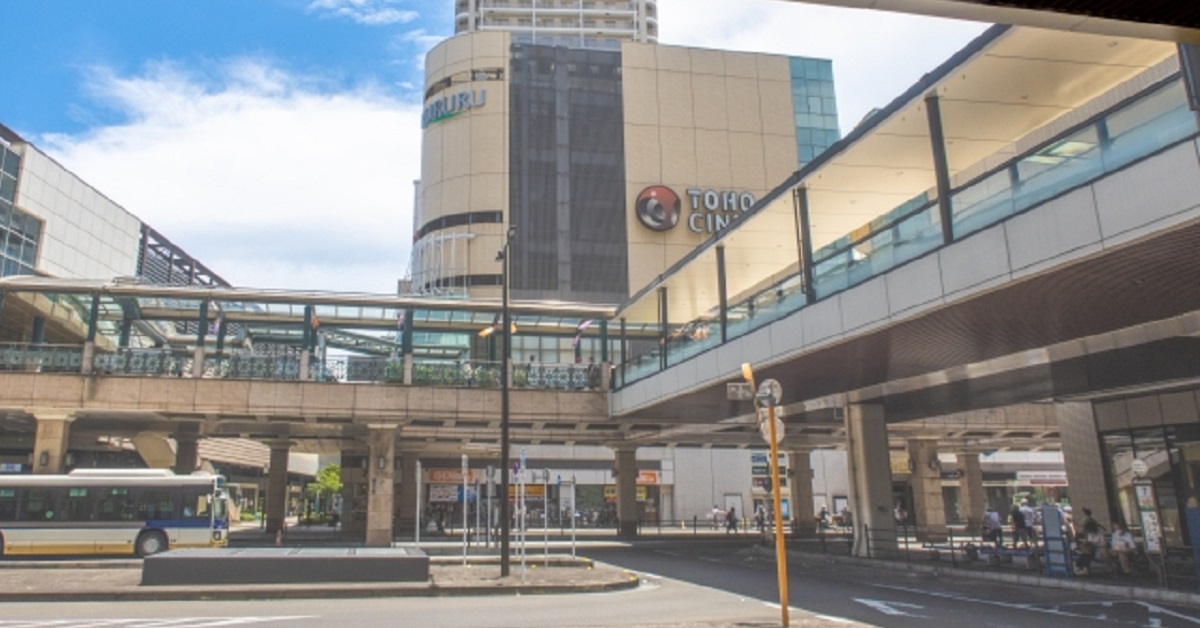


Among the many iconic scenes in My Hero Academia, the intense battle where Tenya Iida, Deku, and Shoto Todoroki confront the Hero Killer Stain stands out as unforgettable. The urban setting strongly mirrors real locations in Fuchu City and Hachioji City, Tokyo. Walking through these areas allows fans to deeply immerse themselves in the world of the anime. This article introduces must-visit spots where the story’s atmosphere comes alive.
- The Modeled Alleyways of the Stain Showdown
- Hachioji’s Realistic Urban Landscape Complements the Anime World
- Decoding the Setting’s Role in Character Growth
- How to Enjoy Pilgrimage Spots Respectfully
- Photogenic Angles and Shooting Tips for the Perfect Anime Feel
- Local Culture and Cuisine Around the Pilgrimage Spots
- Conclusion
The Modeled Alleyways of the Stain Showdown
Serenity and Background Art: A Match in Fuchu City
Episode 17 of Season 2 features one of the series’ most gripping fights. The narrow, winding alleys, dim lighting, and buildings with exposed brick and concrete create a hyper-realistic atmosphere. This setting perfectly mirrors parts of Fuchu, giving fans a tangible connection to the world of the anime.
In the Katamachi area of Fuchu, the narrow streets, small alleys, and old buildings feel straight out of the show.
| Element | Description |
|---|---|
| Area | Katamachi, Fuchu City, Tokyo |
| Features | Narrow alleyways, aged architecture |
| Mood | Urban stillness and tension |
| Similarity with the anime | Claustrophobic and realistic layout |
Standing in these spaces evokes powerful memories of the episode, enhancing your emotional connection to the characters.
Hachioji’s Realistic Urban Landscape Complements the Anime World
The Stark Cityscape Along the Chuo Line Reflects Heroic Struggles
Hachioji is a city where cold, urban structures intersect with warm human presence, echoing the darker undertones of hero society depicted in the anime. The battle with Stain gains depth through this duality.
Areas around Keio-Hachioji Station mirror the anime’s battle locations, with their tightly clustered buildings, underpasses, and complex intersections.
| Aspect | Anime Representation | Real Hachioji City |
|---|---|---|
| Street layout | Narrow and enclosed alleys | Twisting backstreets |
| Lighting | Dramatic neon effects | Streetlights and signs |
| Building style | Stark and modern | High-rise clusters |
This setting visually and psychologically supports the gravity of the scene, making it all the more memorable.
Decoding the Setting’s Role in Character Growth
The Relationship Between Character Development and Urban Design
This pivotal fight is not just about action—it’s also about inner transformation, camaraderie, and heroism. For Iida especially, his desire for revenge and eventual awakening are mirrored in the enclosed, suffocating setting.
| Character | Emotional Shift | Impact of Location |
|---|---|---|
| Tenya Iida | From revenge to awakening | Narrow streets heighten isolation |
| Izuku Midoriya | Emergent leadership | Wide angles emphasize his arrival |
| Shoto Todoroki | Calm and calculated | His detachment suits the cold visuals |
The anime’s setting is not just scenery—it amplifies the characters’ emotional states, adding richness to the storytelling.
How to Enjoy Pilgrimage Spots Respectfully
Soaking in the Atmosphere While Practicing Courtesy
To truly enjoy anime pilgrimage experiences, respectful behavior is essential. These locations are part of local communities, not just anime backdrops.
Even if the scenery doesn’t match the anime exactly, you can experience similar emotions and ambience, deepening your connection to the story.
| Etiquette Guideline | Purpose |
|---|---|
| Take photos quietly | Respect residents |
| Clean up after yourself | Maintain cleanliness |
| Keep voice levels low | Preserve atmosphere |
| Avoid precise location tagging on social media | Prevent disturbances |
Proper manners elevate the pilgrimage experience, allowing fans to connect more meaningfully with the setting.
Photogenic Angles and Shooting Tips for the Perfect Anime Feel
Capturing the ambiance of My Hero Academia calls for more than snapping a photo. Aim for angles that replicate the mood and energy of the anime.
Low-angle shots looking up at tall buildings or long alleyway compositions can recreate that anime magic. Pay attention to light and shadow, especially at different times of day.
The vibe of the city changes drastically between day and night, offering multiple perspectives on the same location.
Local Culture and Cuisine Around the Pilgrimage Spots
Both Fuchu and Hachioji offer more than anime settings—they’re also cultural and culinary destinations. Exploring the area adds richness to your journey.
| City | Recommended Spot | Feature |
|---|---|---|
| Fuchu City | Okunitama Shrine | A tranquil and historical site |
| Hachioji City | Hachioji Castle Ruins | Nature and historic ruins |
| Hachioji City | Hachioji Ramen Shops | Soy sauce-based with chopped onions |
| Fuchu City | Specialty Yakisoba Restaurants | Locally loved street food |
Experiencing the local culture alongside the anime setting makes your pilgrimage more fulfilling and memorable.
Conclusion
The scenes in My Hero Academia are powerful on their own—but visiting the real-world counterparts adds an entirely new layer of emotional impact.
Walking through Fuchu and Hachioji brings you face-to-face with the tension, growth, and resolve portrayed in the anime. These cities become more than settings—they become living parts of the story.
For fans of My Hero Academia, this pilgrimage isn’t just a trip—it’s a personal journey into the heart of heroism and humanity.