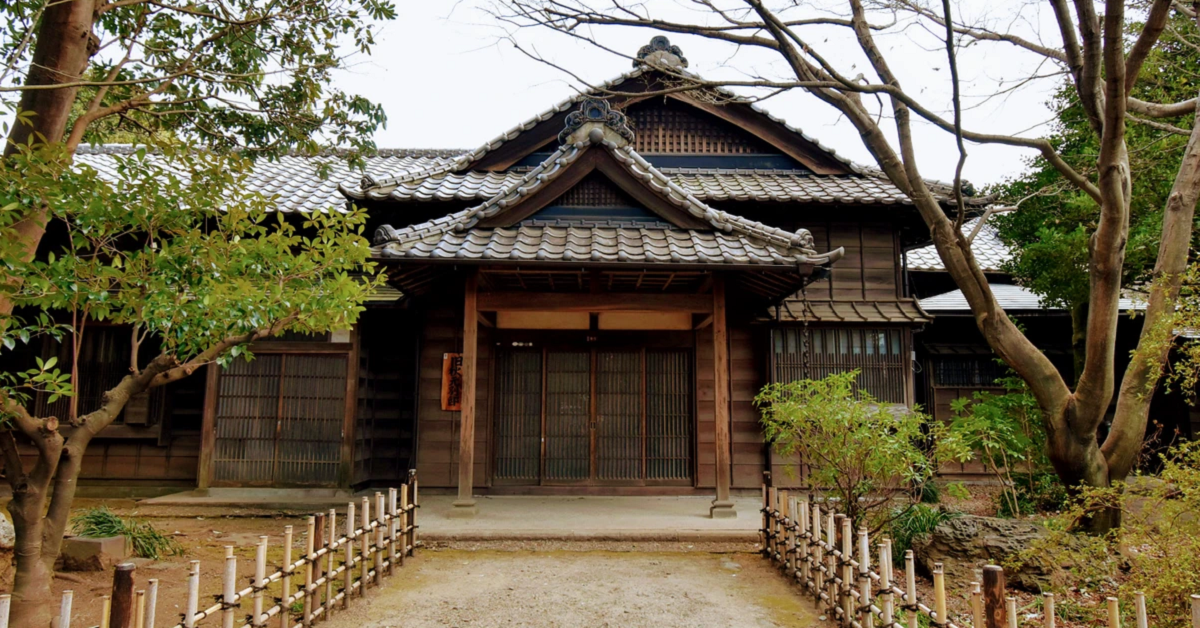


The Akimoto Former Villa in Tatebayashi, Gunma, which drew attention in the fourth installment of the Detective Tsuda series broadcast in December 2025, stands as a historical filming location that beautifully preserves the atmosphere of the Meiji era. This article delves into the villa’s rich history, cultural significance, and its value as a must-visit pilgrimage spot for fans of the series.
- What is the Akimoto Former Villa?
- How It Gained Fame in Detective Tsuda’s Fourth Installment
- Historical and Tourism Significance
- Connection Between the Akimoto Family and Tatebayashi
- Value as a Pilgrimage Site and Visitor Experience
- Access and Nearby Attractions
- Stepping into the World of the Drama
- Conclusion
What is the Akimoto Former Villa?
The Akimoto Former Villa is a historical wooden structure built in the late Meiji period, once owned and used as a retreat by the Akimoto family, former lords of the Tatebayashi domain. Specifically, it was utilized by Akimoto Okitomo and his son Harutomo. The villa showcases elegant Japanese architecture with a blend of Western elements, featuring a main house, a Western-style building, and a kura (storehouse) within the premises. It remains a designated Registered Tangible Cultural Property in Japan.
How It Gained Fame in Detective Tsuda’s Fourth Installment
Upon the release of the preview for the fourth installment of Detective Tsuda, fans quickly speculated on the filming location based on architectural features and surrounding scenery. Though the drama only mentioned Tatebayashi, Gunma, many swiftly concluded that the main filming site was the Akimoto Former Villa. Fans’ keen observations spread rapidly through social media, identifying specific rooftops and structural elements seen in the footage.
Within the series, key scenes were shot in the villa’s study room, garden, and kura. The villa’s dignified and quiet presence heightened the drama’s suspenseful atmosphere, receiving acclaim for how effectively it contributed to the show’s tone.
Historical and Tourism Significance
Beyond its role in the drama, the Akimoto Former Villa holds tremendous historical and cultural value. As a preserved property representing regional heritage, it continues to draw visitors interested in both architecture and Japanese history.
| Category | Details |
|---|---|
| Year Built | Late Meiji Period |
| Associated Figures | Akimoto Okitomo, Akimoto Harutomo (Tatebayashi Domain) |
| Architectural Features | Wooden construction, Japanese-Western style, garden, kura |
| Current Use | Preserved and open to the public as a Registered Tangible Cultural Property |
| Location | Within walking distance of central Tatebayashi, Gunma |
Additional architectural details:
| Architectural Element | Description |
|---|---|
| Roof Style | Irimoya (hip-and-gable) with copper plating |
| Interior Design | Shoin style, tatami flooring, plaster walls |
| Decorative Elements | Ranma (transom carvings), detailed sliding doors |
| Building Materials | Domestic cedar and cypress |
| Layout | Integrated spaces: study, guest room, garden, kura |
Connection Between the Akimoto Family and Tatebayashi
The Akimoto family ruled Tatebayashi during the Edo period. Their deep-rooted presence in the city is reflected in the villa, which symbolizes the historical bond between the clan and the region. Today, the city of Tatebayashi actively maintains the villa, using it for educational programs and cultural events. Local school excursions and heritage tours often feature the site as a focal point.
Value as a Pilgrimage Site and Visitor Experience
To fans of Detective Tsuda, the Akimoto Former Villa represents more than a filming location. Visiting it allows them to step into the world of the drama and relive iconic scenes firsthand.
| Activity | Description |
|---|---|
| Photo Spots | Recreate scenes with matching angles from the drama |
| Stamp Rally | Visit multiple filming locations around Tatebayashi |
| Guided Tours | Learn historical and architectural details from experts |
| Exhibitions | Display of materials from the show and Akimoto family archives |
A model route for visitors:
| Pilgrimage Route | Highlights |
|---|---|
| Starting at Tatebayashi Station | Rental bicycles and maps available |
| Akimoto Former Villa | Main filming site, full guided tour available |
| Morinji Temple | Known for folklore and tanuki statues |
| Tsutsujigaoka Park | Seasonal flowers and beautiful walking trails |
| Local Udon Shops | Famous Tatebayashi cuisine for a satisfying end to your journey |
Access and Nearby Attractions
The villa is conveniently located about a 15-minute walk from Tatebayashi Station, or around 10 minutes by car from the Tatebayashi Interchange. This makes it a perfect day-trip destination from Tokyo or nearby regions.
| Transportation | Time Required |
|---|---|
| Walk from Tatebayashi Station | Approximately 15 minutes |
| By car from Tatebayashi IC | Around 10 minutes |
| Parking Availability | Multiple parking areas nearby |
Stepping into the World of the Drama
Upon visiting the Akimoto Former Villa, fans are immediately immersed in the world of Detective Tsuda. The refined exterior, serene indoor spaces, and tranquil garden settings mirror the atmosphere seen on screen. The study with its garden view is especially iconic, having played a central role in the story’s climax. The contrast between the peaceful setting and the unfolding mystery enhanced the emotional depth of the narrative.
Conclusion
The Akimoto Former Villa is not only the central filming location for the fourth installment of Detective Tsuda, but also a symbol of Tatebayashi’s cultural heritage. Its preserved architecture, historical significance, and emotional connection to the series make it a meaningful destination for a variety of visitors.
Whether you’re a fan of the show, a history enthusiast, or simply a curious traveler, the Akimoto Former Villa offers a rich and memorable experience. Next time you’re planning a trip, consider stepping into the timeless setting of this unique and beloved location.