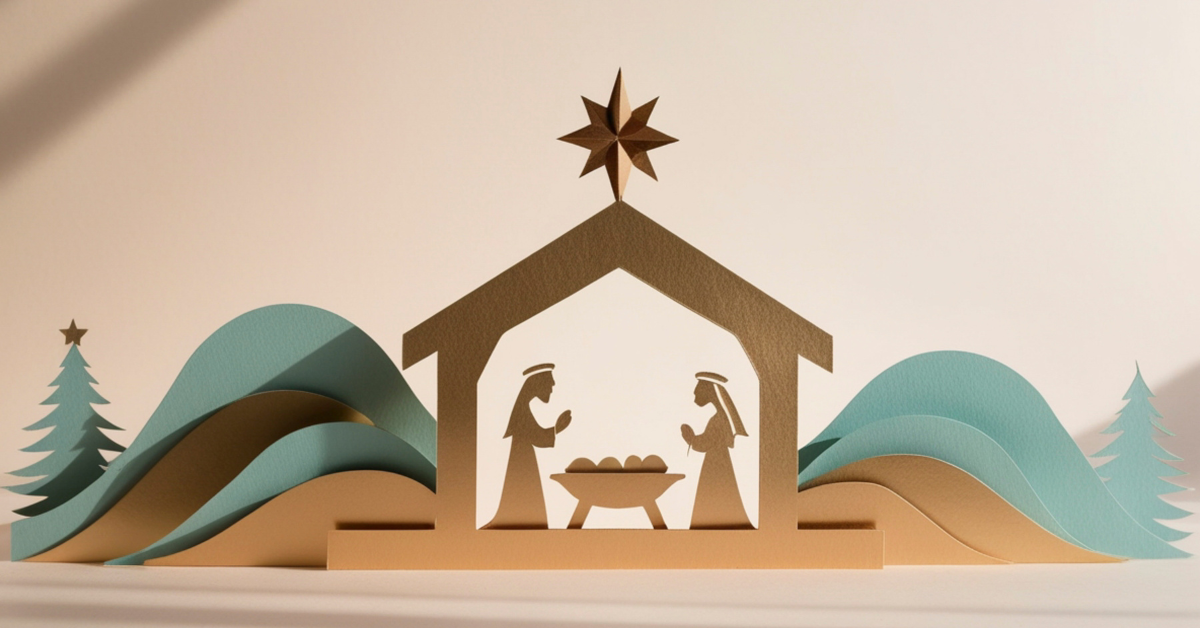


Kirigami is a traditional Japanese paper art created by cutting paper into patterns and forms. Unlike origami, which depends on folding, kirigami expresses beauty through open spaces, fine lines, and the contrast of light and shadow. For many visitors, it offers a meaningful opportunity to experience Japanese culture in a hands on and visually engaging way.
What is Kirigami
Kirigami is a technique in which designs are created by cutting directly into paper. Its greatest appeal lies in the changing appearance created by light and shadow. Historically, kirigami originated from paper ornaments used in Shinto rituals and was incorporated into festivals and family celebrations. Because the direction and thickness of each cut can be freely chosen, it is easy to create curves, patterns, and delicate details. For this reason, kirigami is widely used in modern paper art.
Differences between Kirigami and Origami
Origami forms shapes by folding paper and does not require any cutting tools. Kirigami, on the other hand, expresses patterns by cutting, allowing open spaces to be created. These openings produce shadows and give kirigami its distinctive beauty. While origami excels in three dimensional forms, kirigami emphasizes the beauty of lines in a flat composition, making it more decorative in nature.
Uses of Kirigami
Kirigami has been used not only in traditional contexts but also in modern settings. Shinto ornaments, festive decorations, card designs, interior accents, lighting elements, and product packaging all make use of kirigami. The lightness and delicacy of paper are appreciated, and kirigami has become recognized worldwide as an expression of Japanese aesthetic sensibilities.
The Appeal of Kirigami
Kirigami can be started immediately with only paper and a cutting tool. Focusing on the process of cutting helps calm the mind, making the act itself a relaxing experience. The finished piece changes greatly depending on the light, and simply changing the background color can transform the entire mood. The ability to create a wide range of expressions from a single sheet of paper is what makes kirigami so captivating.
Tools and Their Features
Below is a table summarizing basic tools and their characteristics.
| Tool | Role | Feature |
|---|---|---|
| Scissors | Basic cutting | Easy to handle and friendly for beginners |
| Craft knife | Cutting fine lines | Creates sharp, precise edges |
| Cutting mat | Surface protection | Provides stability while cutting |
| Colored paper | Enhances design | Wide variety, easy to combine |
| Pencil | Sketching outlines | Allows adjustments and corrections |
Types of Paper and Their Compatibility
Different types of paper produce different impressions.
| Type of paper | Feature | Compatibility with kirigami |
|---|---|---|
| Washi | Soft, strong fibers | Suitable for delicate designs |
| Colored paper | Lightweight, many colors | Excellent for decorative use |
| Copy paper | Easy to obtain | Ideal for practice |
| Thick paper | Firm texture | Good for dimensional effects |
How to Create Kirigami
To begin, decide on the size of the paper and sketch a light outline. Start cutting the thicker or larger parts first, then move to the finer sections to avoid deforming the shape. When using a craft knife, moving the blade away from your body helps create smooth cuts without damaging the paper. The finished piece will look different depending on the background color, so choosing a suitable backdrop will enhance the overall impression.
Popular Kirigami Motifs for Foreign Visitors
Motifs that symbolize Japanese culture are particularly popular.
| Motif | Feature | Reason for popularity |
|---|---|---|
| Sakura cherry blossoms | Beautiful curved lines | Recognized as a symbol of Japan |
| Crane | Sharp silhouette | Represents good fortune and is ideal for gifts |
| Mount Fuji | Instantly recognizable shape | A national icon of Japan |
| Traditional patterns | Repeating linear forms | Highly compatible with kirigami |
Ideas for Using Kirigami
Kirigami can be enjoyed in various aspects of daily life.
| Usage | Example | Feature |
|---|---|---|
| Home decoration | Window or wall displays | Light changes the appearance |
| Cards | Letters and gift accents | Adds a personal touch |
| Events | Seasonal decorations | Easy to produce in multiples |
| Gift wrapping | Added to packaging | Communicates a handmade warmth |
Tips for Enjoying Kirigami
Choosing different types of paper greatly changes the final effect. Soft colors create a gentle atmosphere, while deep colors highlight the lines. Translucent paper produces beautiful shadows when placed by a window, where the design shifts with natural light. Once comfortable with basic shapes, simplifying the outlines of photographs and adding your own lines can lead to unique, original artworks. The creative freedom is one of kirigami’s most enjoyable aspects.
Conclusion
Kirigami is a Japanese paper craft that creates designs and shapes simply by cutting. Unlike origami, it expresses beauty through spaces, shadows, and delicate lines, offering a distinctive visual experience. It is easy to start but also allows advanced artistic exploration. For many foreign visitors, it becomes a memorable way to engage with Japanese culture. The richness created from a single sheet of paper brings quiet elegance and artistic inspiration to everyday life.