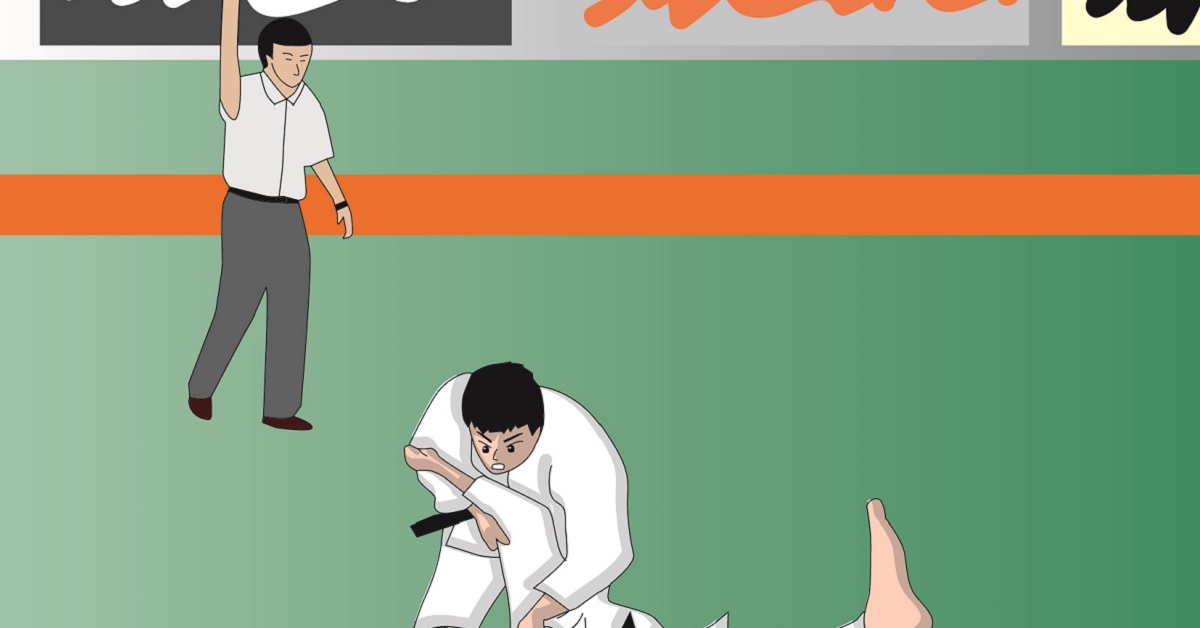
In Japanese martial arts, “Hajime” and “Yame” are indispensable terms used during both matches and practice. These words are not just signals but play a key role in maintaining focus, respect, and safety for all participants. This article explains the meanings, usage, and the cultural depth behind these essential expressions.
The Meaning of Hajime and Where It Is Used
Function as a Start Signal
“Hajime” is a word that signals the official start of action in martial arts. It is commonly used in judo, karate, kendo, aikido, and many other disciplines. Instructors or referees say “Hajime” to prompt students or athletes to begin movement.
The meaning is straightforward: “Begin the formal movement now.” This command ensures that all participants act in sync with the established rules and expectations.
| Martial Art | Situation | Purpose |
|---|---|---|
| Judo | At the start of a match | Official beginning of engagement |
| Karate | During practice of kata | Indicates exact start of technique |
| Kendo | Referee’s match signal | Triggers mental focus and readiness |
“Hajime” serves not only as a cue for physical movement but also as a marker for mental focus.
The Role of Yame and Its Practical Application
Command for Stopping Action and Ensuring Safety
“Yame” is a Japanese martial arts command that clearly signals a pause or end of movement. Though equivalent to “Stop” in English, it carries deeper meaning, related to maintaining order and safety.
Situations where “Yame” is used include:
- When a match concludes
- Upon detection of rule violations or dangerous behavior
- For temporary instructional pauses during practice
Upon hearing “Yame,” participants must immediately stop all action. Any delay may lead to penalties or compromise safety, making this cue vital for the flow and fairness of martial arts practice.
| Situation | Purpose | Result |
|---|---|---|
| End of a match | Official termination of the bout | Movement ceases, judges confirm outcome |
| Temporary stop | Clarification or correction in practice | Enhanced learning and accuracy |
| Safety intervention | Immediate stop in risky situations | Injury prevention, rule enforcement |
Responsiveness to “Yame” reflects a practitioner’s discipline and awareness.
Words and Spirit in Martial Arts
Commands That Regulate Not Just Movement, but Mindset
In Japanese martial arts, each verbal cue carries layered meaning. “Hajime” energizes focus, while “Yame” encourages calmness and composure. These commands are designed not only to instruct, but also to shape mental discipline and a sense of order.
| Command | Psychological Effect | Educational Value in Martial Arts |
|---|---|---|
| Hajime | Heightens tension and focus | Cultivates respect and attentiveness |
| Yame | Restores composure and order | Fosters calmness, judgment, and respect |
These cues structure the mental state as much as they regulate physical actions.
Use of Hajime and Yame in International Competitions
Why They Are Used in Japanese, Even Globally
In global competitions like judo or karate world tournaments and the Olympics, the words “Hajime” and “Yame” are used in Japanese without translation. This reflects the cultural roots and global respect for the traditional forms of martial arts.
Their use in Japanese ensures that their intent and subtle cultural significance are preserved and not diluted through translation.
| Competition Example | Term Used | Translated? | Significance |
|---|---|---|---|
| World Judo Championships | Hajime / Yame | No | Unified signals among all participants |
| Olympics | Hajime / Yame | No | Proof of martial arts’ global respect |
| Karate World Championships | Hajime / Yame | No | Maintains precision and tradition |
The use of Japanese as a standard language illustrates the universality and integrity of martial arts culture.
Key Learning Points for Foreign Martial Arts Students
Understanding More Than Vocabulary
When studying martial arts, learners should recognize that Hajime and Yame are not just commands, but cultural expressions. Learning these words involves understanding their function, timing, and the spirit they represent.
They also play a practical role in matches and training, where responding properly to these commands reflects a practitioner’s readiness and discipline.
For anyone new to Japanese martial arts, these two words are the first to learn and master.
Conclusion
“Hajime” and “Yame” are fundamental yet profound commands in Japanese martial arts. They direct the start and end of action, instill discipline, maintain safety, and uphold the tradition of respect.
Their unaltered use in international tournaments emphasizes their global acceptance and symbolic power. As you begin your martial arts journey, consider these words not only as practical cues, but as gateways to understanding Japanese culture and the values embedded within its traditions.
The next time you hear “Hajime” or “Yame” in a dojo or tournament, listen not only with your ears but with awareness of the deeper spirit they carry.