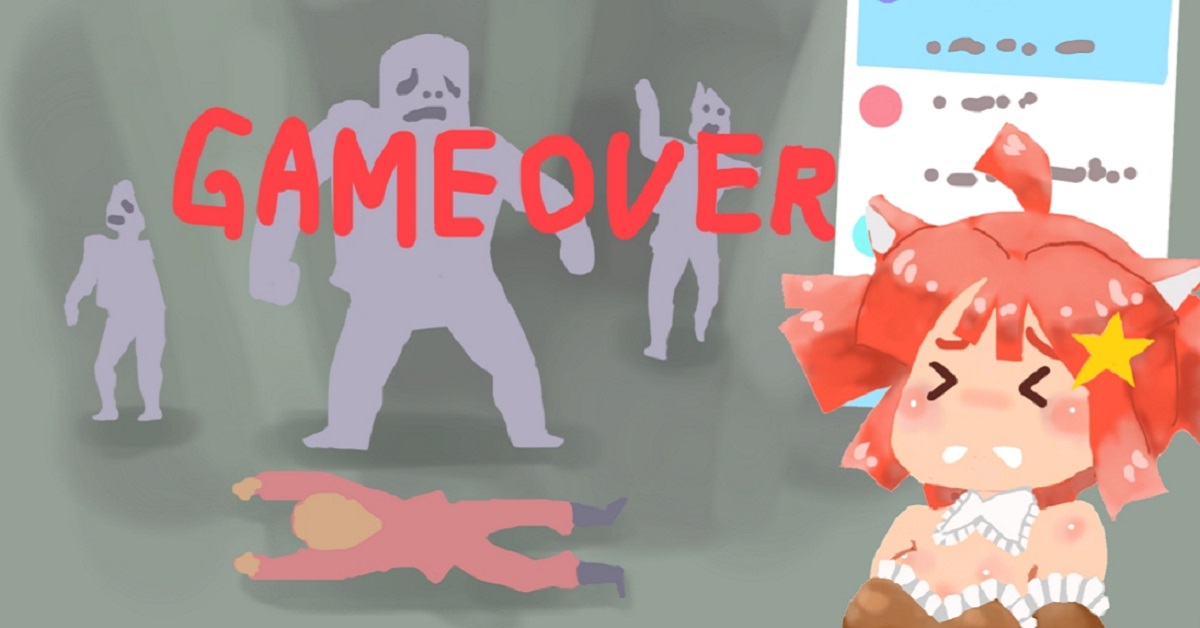


V-Tubers, or Virtual YouTubers, are online entertainers who perform through animated 2D or 3D avatars instead of showing their real faces. Originating in Japan, this unique style of content has quickly evolved into a global entertainment phenomenon, attracting viewers who enjoy the blend of imagination and real-time interaction. Whether through gaming, chatting, or music, V-Tubers offer a digital experience that feels surprisingly personal.
What Is a V-Tuber?
Virtual YouTubers Who Perform Through Avatars
A V-Tuber is a content creator who appears as an anime-style avatar instead of showing their real face. These avatars are created using Live2D or 3D models, and they move in sync with the performer using motion capture or face tracking technology. This setup allows viewers to interact with a live character that seems to respond in real-time.
V-Tubers produce content in a wide range of genres: from gaming and chatting, to music performances, educational videos, and cooking streams. Each V-Tuber typically embodies a unique personality and backstory, making them feel more like anime characters brought to life than traditional YouTubers.
| Feature | Description |
|---|---|
| No face reveal needed | Privacy is maintained as the avatar represents the creator |
| Real-time interaction | Expressions and movements are synced live with the avatar |
| Diverse genres | Covers gaming, music, talk shows, education, and more |
| Strong character design | Most V-Tubers play fictional roles with rich backstories |
The Origins and Global Growth of V-Tuber Culture
A Japanese Innovation Going Global
V-Tuber culture was born in Japan, with the iconic character Kizuna AI emerging in 2016 as one of the first major virtual YouTubers. Her success led to a surge in both individual and corporate V-Tuber debuts, quickly forming a whole new content category.
Today, V-Tubers are a global phenomenon. Performers now speak English, Chinese, Spanish, and other languages, creating localized characters that cater to international fans.
| Region | Characteristics |
|---|---|
| Japan | Birthplace; strong anime culture foundation |
| English-speaking | Agencies and independents catering to global fans |
| China | Bilibili platform dominates, many local creators |
| Korea | Strong focus on gaming and music V-Tubers |
| Latin America/SEA | Mobile-friendly streams resonate with youth audiences |
As a result, the word “V-Tuber” has become widely accepted across cultures, symbolizing a shared form of entertainment regardless of location or language.
Why Are V-Tubers So Popular?
The Appeal Lies in the Blend of Fantasy and Reality
One of the key reasons for the popularity of V-Tubers is their ability to blur the line between reality and fantasy. While the avatars appear animated, the voice, movement, and personality behind them are genuinely human, creating a unique hybrid experience.
Moreover, V-Tubers are not limited by gender, age, or appearance, allowing for diverse and creative self-expression. Viewers often form strong emotional connections, feeling as if they are interacting with a real friend behind a digital mask.
| Reason for Popularity | Explanation |
|---|---|
| Visual appeal | Beautiful anime-style characters |
| Interactive engagement | Real-time chats and fan reactions |
| Comfort and empathy | Calm talk shows and relatable discussions |
| Social media integration | Fan art, daily updates, and global outreach |
How V-Tubers Work: The Technology Behind the Scenes
Motion Capture and Real-Time Streaming Tools
The charm of V-Tubers is made possible by cutting-edge streaming and animation technology. Using motion and face tracking tools, performers’ gestures and expressions are transmitted live to the avatars, making them appear highly responsive and lifelike.
| Component | Example Tools |
|---|---|
| Camera | iPhone (Face ID), webcams |
| Motion Tracking | Leap Motion, Kinect, VR devices |
| Model Creation | Live2D (2D avatars), Blender, VRoid (3D avatars) |
| Streaming Software | OBS Studio, VTube Studio |
Live2D is especially popular for its affordability and ease of use, allowing many beginners to enter the V-Tuber space without needing expensive gear.
Global Fan Communities and Cross-Cultural Connections
Breaking Language Barriers Through Shared Entertainment
V-Tubers are not limited by language. Many offer multilingual content, and fans often assist by providing live translations and subtitles. This allows people from around the world to enjoy content together.
Beyond watching, fan communities thrive on platforms like Discord and Twitter. These communities generate memes, art, and discussions that deepen viewer engagement.
| Communication Channel | Purpose |
|---|---|
| YouTube comments | Real-time feedback and emotional support |
| Social media (X, Insta) | Announcements, art sharing, casual interactions |
| Discord | Direct interaction with fans, private group chats |
The Future of V-Tubers and Their Expanding Applications
Beyond Entertainment: Education, Business, and More
V-Tubers are now entering fields such as education, corporate training, tourism, and even healthcare. Local governments and companies have started using V-Tubers as mascots, narrators, and ambassadors for various projects.
| Field | Example Uses |
|---|---|
| Education | Kids’ English lessons, science, safety awareness |
| Business | Virtual meetings, brand characters, staff training |
| Healthcare | Pediatric orientation, mental health support, rehab guides |
| Tourism | Regional guides, event hosts, product promotions |
Through these developments, V-Tubers are being recognized not only as entertainers but also as meaningful contributors to society.
Conclusion
V-Tubers Are the Next Generation of Global Digital Culture
V-Tubers represent a new form of communication and entertainment that transcends physical limitations. Born in Japan, this culture combines technology, creativity, and emotional interaction, appealing to audiences of all ages and backgrounds.
As V-Tuber culture continues to evolve, we can expect it to reshape digital spaces in education, business, healthcare, and beyond. The era where avatars become a natural part of daily interaction is already well underway—and V-Tubers are leading the charge.