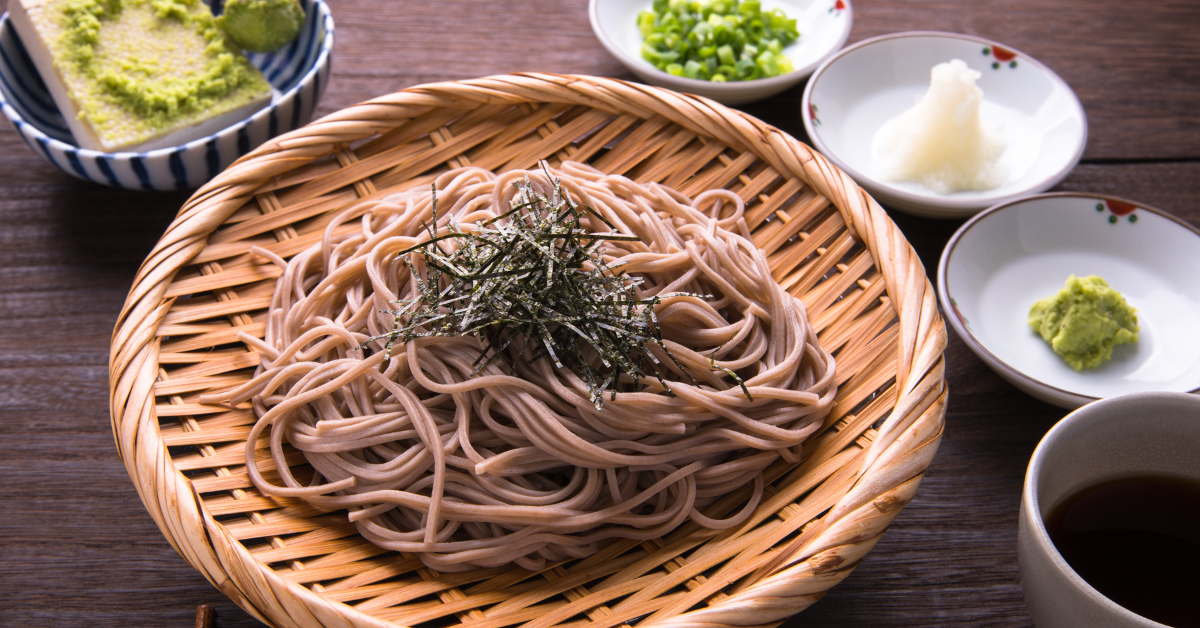


Soba is one of Japan’s most iconic traditional noodle dishes. Made from buckwheat flour, it is enjoyed both hot and cold and is celebrated for its healthy and aromatic qualities. While not as globally recognized as ramen, soba has steadily gained popularity overseas and is increasingly known by its original name, “Soba.” This article will introduce the basics of soba, its varieties, regional characteristics, differences from ramen, proper dining manners, and its cultural significance in an easy-to-understand way for international readers.
What Is Soba? Understanding It Through Japanese Culture
Soba refers to traditional Japanese noodles made primarily from buckwheat flour. It has been a staple in Japanese diets for centuries, appearing in both everyday meals and special occasions. Buckwheat is high in nutrients and is particularly known for its high protein content and the antioxidant rutin, making soba a healthy choice.
| Feature | Description |
|---|---|
| Main Ingredient | Buckwheat flour (sometimes mixed with wheat flour) |
| Nutrition | Low calorie, high protein, rich in rutin |
| History | Popularized among common people in the Edo period |
| Cultural Use | Year-end soba, zaru soba, kake soba, and more |
| Global Reach | Gradually expanding along with health food trends |
Once boiled, soba noodles are rinsed in cold water to enhance aroma and texture, showcasing Japan’s culinary refinement through simplicity and depth.
How Soba Is Eaten in Japan
Soba is commonly enjoyed in two styles: cold noodles dipped in a flavorful sauce (zaru soba), or hot noodles served in a dashi-based broth (kake soba).
| Type | Features |
|---|---|
| Zaru Soba | Cold noodles served with dipping sauce. Focuses on texture |
| Kake Soba | Served in hot broth. Best enjoyed during colder seasons |
| Tempura Soba | Comes with shrimp or vegetable tempura, a hearty choice |
| Tsukimi Soba | Includes raw or soft-boiled egg. Balanced and nutritious |
| Kamo Nanban | Duck and scallions. Rich, savory flavor |
It’s customary in Japan to slurp soba noodles, which enhances the aroma and is culturally acceptable. While it may seem unusual at first, slurping is not considered rude in Japan and is actually appreciated.
After finishing the noodles, a traditional practice involves drinking “soba-yu,” the hot water used to boil soba. Soba-yu is rich in nutrients and provides a wholesome finish to the meal.
Differences Between Soba and Ramen
Although both are Japanese noodle dishes, soba and ramen differ significantly in ingredients, texture, and cultural background.
| Aspect | Soba | Ramen |
|---|---|---|
| Main Ingredient | Buckwheat flour, water, a little wheat flour | Wheat flour, kansui (alkaline water), water |
| Taste | Simple, toasty. Pairs well with dashi | Bold, varied. Flavored broths |
| Texture | Light, firm, smooth mouthfeel | Chewy, elastic |
| Nutrition | Low in calories, nutritious | High calorie, heavy |
| Global Reach | Slowly growing popularity | Widely known and loved worldwide |
Ramen is already globally famous, often synonymous with “Japanese noodles,” while soba is just beginning to gain attention. However, soba’s health benefits and gluten-free appeal are driving its popularity among health-conscious diners.
Types of Soba and Regional Specialties
Soba varies across Japan, with each region offering its own flavor, preparation method, and cultural approach.
| Region | Signature Soba | Characteristics |
|---|---|---|
| Nagano | Togakushi Soba | Thin and fragrant. Often served chilled |
| Yamagata | Ita Soba | Thick and firm. Served on large wooden boards |
| Shimane | Izumo Soba | Dark-colored, made with strong buckwheat flavor |
| Iwate | Wanko Soba | Tiny bowls served repeatedly. Unique cultural event |
| Fukui | Echizen Soba | Served with grated daikon. Spicy, refreshing taste |
These variations are influenced by local water, milling techniques, and climate, making soba not only a dish but a regional culinary expression. Sampling local soba while traveling offers deep insight into Japanese culture.
The Cultural Significance and History of Soba
While soba has been eaten in Japan for centuries, it became a popular noodle form during the Edo period. Urban centers adopted it for its nutritional value and convenience, and soon soba restaurants became common in cityscapes.
Soba is also a symbol of good fortune. During New Year’s Eve, people across Japan eat “Toshikoshi Soba,” or year-end soba, symbolizing a wish for a long and healthy life.
| Time or Event | Description |
|---|---|
| Year-end Tradition | Toshikoshi soba eaten on New Year’s Eve for longevity |
| Seasonal Celebrations | Soba eaten during festivals and special occasions |
| Cultural Experience | Soba-making workshops. Popular among tourists |
| Temple Offerings | Sometimes served as part of Buddhist temple meals |
Soba is more than food—it’s part of Japanese identity, intertwined with tradition and seasonal rituals.
How to Properly Enjoy Soba in Japan
Understanding Japanese dining etiquette adds depth to the experience of eating soba. Here are basic manners to keep in mind:
| Etiquette Point | Practice |
|---|---|
| Slurping | Enhances aroma; considered polite, not rude |
| Dipping Sauce Usage | Lightly dip only one-third to half of the noodles |
| Using Chopsticks | Gather a small amount and slurp smoothly |
| Drinking Soba-yu | Add hot soba water to the sauce for a healthy finish |
Respecting these customs shows appreciation for the culture and enriches your meal.
Conclusion
Soba is a dish that embodies the essence of Japanese simplicity and depth. From its aroma and texture to its regional diversity and etiquette, soba reflects a cultural narrative.
Although overshadowed by ramen internationally, soba is gaining recognition among travelers and health-conscious eaters alike. Trying soba is not just a meal—it’s a cultural experience.
When you visit Japan, be sure to enjoy soba at a local eatery. It offers a taste of tradition, wellness, and hospitality that goes far beyond the bowl.