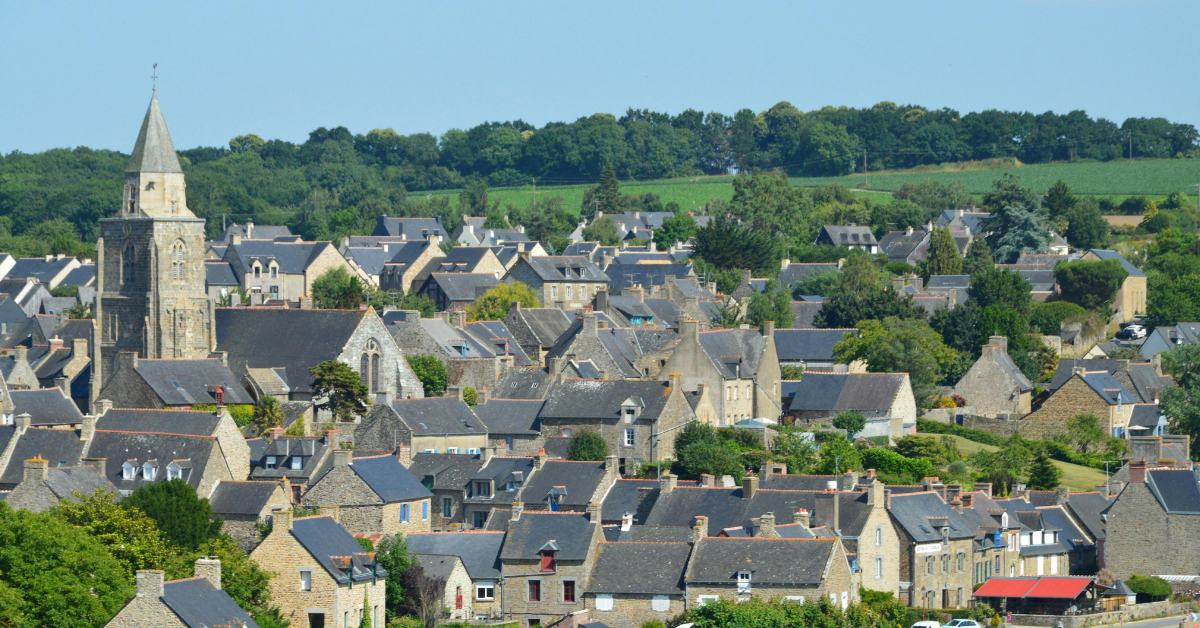


Saint‑Étienne is a city often overlooked in discussions about France, yet it holds a distinct identity shaped by industry, design, and sport. For Japanese readers, the city may feel unfamiliar, partly because it has no established kanji representation and limited visibility in travel media. Understanding why its name remains in katakana and how the city has transformed over time reveals a deeper cultural and historical richness that is rarely highlighted.
Why “Saint-Étienne” Has No Kanji Representation
Saint-Étienne derives its name from Saint Stephen, a Christian martyr. In French, “Saint” means “holy” and “Étienne” is the French equivalent of “Stephen.” While the literal Japanese translation might be “Sei-Techiennu” (Holy Étienne), the city is typically rendered in katakana, a phonetic script.
| Representation | Usage Context |
|---|---|
| サン=テティエンヌ (San-Techiennu) | Standard form in maps, media, and travel guides |
| 聖テティエンヌ (Sei-Techiennu) | Rarely used in religious contexts |
| No kanji used | Katakana is the norm for proper nouns |
In Japanese, katakana is favored for foreign place names, especially when they include religious or cultural nuance, prioritizing pronunciation over direct meaning.
How Japanese People View Saint-Étienne
A City That Is Little Known and Understood
Saint-Étienne is relatively obscure among Japanese people. Many are unaware of its location, and those who do know it often associate it with an industrial past. The general image lacks clarity and is influenced by limited exposure.
| Common Image | Description |
|---|---|
| Industrial city | Known for steel and mining history |
| Unremarkable town | Less famous than Paris or Marseille |
| City of football | Recognized by some sports fans for its soccer club |
| Unfamiliar destination | Rarely chosen as a travel goal |
This disconnect stems from a lack of information and persistent stereotypes.
The Transformation of Saint-Étienne
From Industrial Hub to Cultural Capital
Until the early 20th century, Saint-Étienne flourished as a center of coal mining, metallurgy, and weapons production. As those industries declined, the city chose a new path: design-driven revitalization.
| Transformation Element | Details |
|---|---|
| Design Biennale | A biennial international design event |
| Creative education | Home to prestigious art and design institutions |
| Adaptive reuse | Factories repurposed as cultural facilities |
This shift has granted the city a new identity, attracting artists, students, and creative professionals.
Sports and Community Identity
AS Saint-Étienne: More Than a Football Club
A defining feature of the city is AS Saint-Étienne, one of France’s most historic football clubs. The team boasts ten Ligue 1 championships and a strong legacy in European football.
| Club Profile | Detail |
|---|---|
| Full Name | Association Sportive de Saint-Étienne |
| Founded | 1919 |
| Stadium | Stade Geoffroy-Guichard (nicknamed “Le Chaudron”) |
| Honors | 10-time Ligue 1 champions (tied national record) |
The club plays a central role in civic life. On matchdays, the city comes alive in a wave of green jerseys and communal energy. The emotional stakes of each game reflect the deep connection between the team and its supporters.
Youth Development and Community Programs
The city’s sports initiatives go beyond entertainment. Through youth training programs and education partnerships, Saint-Étienne integrates sports into community development.
| Sector | Key Initiatives |
|---|---|
| Youth sports | Local academy and youth league systems |
| Educational support | Sports scholarships and academic tie-ins |
| Health programs | Fitness clubs for the elderly and families |
Such programs exemplify a mature and deeply rooted sports culture.
Connections with Surrounding Cities
Infrastructure and Economic Links
Located just 60 kilometers from Lyon, Saint-Étienne is part of a dynamic regional network. It has strong ties in transportation, education, healthcare, and economy. The city is about three hours by TGV from Paris.
| City | Relationship |
|---|---|
| Lyon | Shared commuter zone and academic cooperation |
| Grenoble | Ties in tourism and alpine sports |
| Clermont-Ferrand | Industrial and economic collaboration |
These links establish Saint-Étienne as a regional hub with influence beyond its borders.
Conclusion
Saint-Étienne may not have a kanji name and might not rank among Japan’s top travel destinations, but it is a city of depth, evolution, and character. Its rich industrial legacy, contemporary identity as a design city, and strong sports culture offer much for curious travelers, scholars, and cultural enthusiasts.
Its relative obscurity in Japan is not a sign of irrelevance but rather an invitation to discover its hidden value. Saint-Étienne proves that places off the beaten path can offer profound insights and unforgettable experiences. With expanding global exchange, the city stands poised to become a meaningful point of connection between France and Japan.