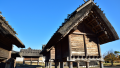

Engawa is a unique architectural element found in traditional Japanese houses. This corridor-like space that gently connects the indoors and the garden plays a role beyond structural design, offering harmony between people, nature, and the changing seasons. Recently, the term “Engawa” has begun to appear in global architectural discussions as it represents a distinctly Japanese concept of living. In this article, we explain its meaning, cultural background, structural features, and modern value in a way that’s easy to understand for international readers.
The Meaning and Structure of Engawa
What is Engawa?
Engawa refers to a long, narrow space located along the edge of a Japanese home, usually facing a garden or the outside. While it might resemble a corridor, it serves as part of daily life: a place to relax, sit, and appreciate the seasonal transitions. Although it may be compared to decks or terraces in Western architecture, what sets Engawa apart is its ambiguous nature—neither fully indoor nor outdoor. This in-between space reflects Japanese sensibilities and cultural values about comfort and subtlety.
Basic Structure of Engawa
| Element | Description |
|---|---|
| Eaves (Hisashi) | Provide shade and protection from rain and direct sunlight |
| Flooring | Usually made of wooden planks or tatami mats for comfortable sitting |
| Sliding Doors | Shoji, storm shutters, or glass doors that separate indoor space |
| Location | Often on the southern side to maximize light and ventilation |
These components together create a space that is both comfortable and connected to nature.
Cultural Roles of Engawa
A Place to Live with Nature
Engawa is more than architecture. It is a space for interacting with nature. In spring, people enjoy cherry blossoms; in summer, they cool off with a breeze; in autumn, they admire colorful leaves; and in winter, they bask in the warm sunlight. Engawa becomes a stage for experiencing the seasons.
| Season | How Engawa Is Enjoyed |
|---|---|
| Spring | View cherry blossoms, chat while enjoying the breeze |
| Summer | Cool down with fans, smell mosquito coils |
| Autumn | Listen to insects chirping while sipping tea |
| Winter | Nap or read in the warm sun |
This lifestyle reflects the Japanese aesthetic of “ma” (space) and “yohaku” (emptiness with meaning).
A Social Space in Daily Life
Engawa also served as a place for social interaction. Families spent time together here, and neighbors could stop by for a quick chat. Guests could sit on the edge without taking off their shoes. This casual openness created opportunities for spontaneous communication. The space’s flexibility naturally fostered social connections.
The Value of Engawa in Modern Architecture
Why Engawa is Being Reconsidered
Even though Western-style homes dominate today, Engawa’s function and aesthetic are being re-evaluated. Architectural elements inspired by Engawa, such as decks, courtyards, and glass terraces, are increasing. Reasons include:
| Modern Value | Explanation |
|---|---|
| Healing Space | Connects with nature and calms the mind |
| Natural Light and Airflow | Brings sunlight and ventilation indoors |
| Private Yet Open | Allows quiet moments without full exposure to public view |
| Multi-functional | Suitable for work, chores, rest, or gatherings |
As a peaceful oasis in a digital age, Engawa is gaining new appreciation.
“Engawa” as a Global Concept
The word “Engawa” is now used internationally to describe a transitional space between indoors and outdoors. Architects value it for its compatibility with minimalist and eco-friendly design. It is recognized for the following reasons:
| Perspective | Reason for Appreciation |
|---|---|
| Flexibility | Serves multiple purposes without rigid definition |
| Mental Wellbeing | Creates calm and reduces isolation |
| Visual Expansion | Enhances openness and connection to outside views |
Because of this, Engawa-style spaces are appearing in homes, hotels, and public spaces worldwide.
How to Incorporate Engawa Into Modern Life
Creating Engawa-like Spaces Anywhere
Even without a traditional Japanese house, the spirit of Engawa can be integrated into any living space. Here are some ideas:
| Idea | Description |
|---|---|
| Add plants to your balcony | Create a green corner and invite nature into your home |
| Place chairs near windows | Enjoy sunlight and quiet time with a book or drink |
| Sit directly on the floor | Use tatami mats or low furniture for grounding experience |
| Use soft lighting | Indirect light helps cultivate a calming atmosphere |
What matters is bringing nature and serenity into your routine.
Conclusion
The Richness Engawa Brings
Engawa is not just a corridor or design element. It is a symbol of thoughtful living. By simply sitting in the Engawa, one can reconnect with oneself, nature, and others. It embodies natural harmony, social connection, and quiet mindfulness—values that hold even more meaning today.
To foreigners, Engawa is not just a word but a philosophy of living. Incorporating Engawa into modern life can bring balance, rest, and emotional richness to anyone, anywhere in the world.