
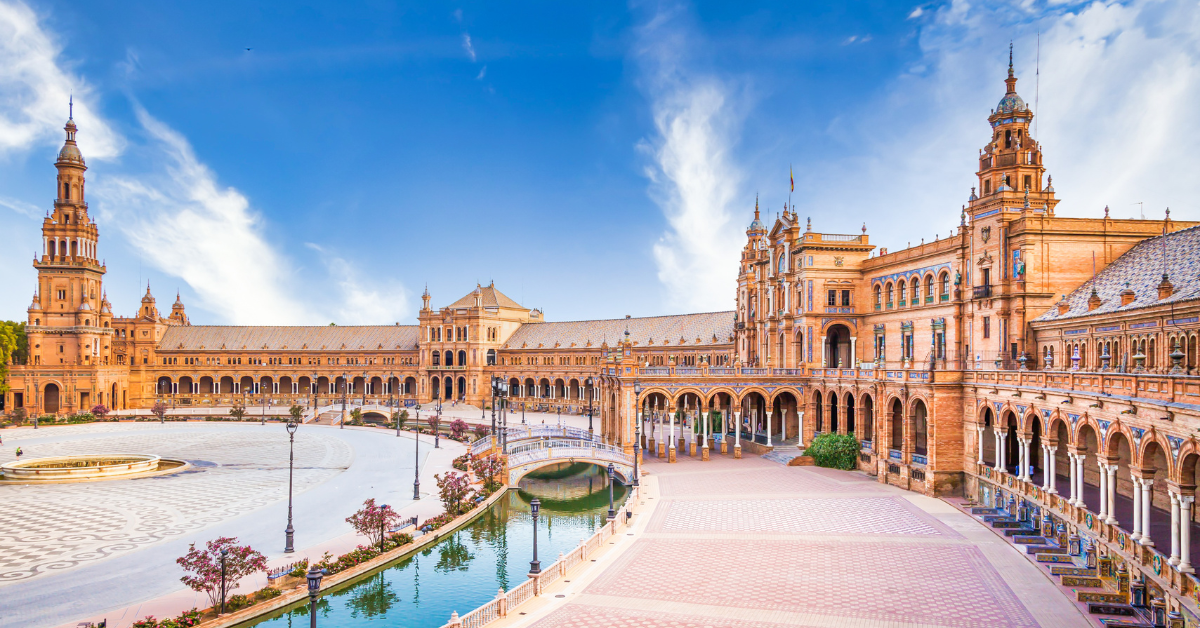


The city of Seville (Sevilla) in southern Spain does not have an official Kanji representation in Japanese. Commonly written in Katakana as “Sevilla” or “Sebīriya,” this city is known for flamenco, historic architecture, and even soccer, leaving a strong impression on many Japanese people. This article explores Seville’s appeal from various angles, including its lack of Kanji, cultural and historical attractions, gastronomy, sports, and language differences.
- Why Seville Has No Kanji Representation
- Japanese Perceptions of Seville
- Historical Heritage and Popular Tourist Destinations
- Climate and Perceptual Differences Between Japan and Seville
- Cuisine and Compatibility with Japanese Palates
- Language and Spelling: A Curious Gap
- Seville in the World of Sports
- Conclusion
Why Seville Has No Kanji Representation
The Historical Context Behind Kanji Usage for Foreign Cities
In earlier times, some foreign city names were written in Kanji in Japan. For example, London was referred to as 倫敦, and Paris as 巴里. However, Seville has never had such a Kanji-based rendering, and Katakana remains the only commonly accepted form.
| City | Katakana | Kanji | Usage Frequency |
|---|---|---|---|
| London | ロンドン | 倫敦 | Very rare |
| Paris | パリ | 巴里 | Almost unused |
| Seville | セビリア | None | None |
| New York | ニューヨーク | 紐育 | Found in old texts only |
Seville’s lack of Kanji reflects its historical distance from Japanese mainstream awareness, compared to more globally familiar cities like London or Paris.
Japanese Perceptions of Seville
Cultural Associations: Flamenco as a Symbol
Many Japanese people associate Seville with flamenco, a passionate and expressive art form deeply rooted in Andalusian tradition. Flamenco is considered one of the cultural icons of Spain, and Seville is seen as a central birthplace of the genre.
In Japan, flamenco schools and performances are common, and the idea of visiting the “origin of flamenco” holds significant emotional value for enthusiasts.
Historical Heritage and Popular Tourist Destinations
Seville boasts many UNESCO World Heritage Sites and historical landmarks. The city’s architectural blend of Islamic and Christian influences is unique and visually captivating.
| Site | Description |
|---|---|
| Seville Cathedral | One of the world’s largest Gothic cathedrals |
| Royal Alcázar | A fusion of Islamic and Christian architecture, also used in films |
| Giralda Tower | Originally a minaret, later adapted as a bell tower |
| Plaza de España | Known for artistic tilework and film location fame |
| Triana District | Recognized for ceramics and flamenco origins |
This cultural fusion resonates with Japanese travelers who value historical and architectural depth.
Climate and Perceptual Differences Between Japan and Seville
The Climate That Feels Different From Japan’s Four Seasons
Seville experiences a warm and dry climate throughout the year, with summer temperatures exceeding 40°C. However, due to the dry air, many Japanese find the heat more bearable than the humid summers in Japan.
| Season | Average Temperature | Characteristics |
|---|---|---|
| Spring | ~22°C | Blooming flowers; popular for tourism |
| Summer | 35–40°C+ | Extremely dry, strong sunlight |
| Autumn | ~25°C | Mild temperatures, great for walking tours |
| Winter | ~15°C | Comparable to early spring in Japan |
Seville’s climate is one of the key factors contributing to its popularity as a travel destination.
Cuisine and Compatibility with Japanese Palates
Seville’s cuisine relies heavily on olive oil and features simple yet rich flavors. The small-plate tapas style is reminiscent of Japanese dining traditions like side dishes and small servings, making it highly familiar and approachable.
| Dish | Characteristics |
|---|---|
| Gazpacho | Cold tomato-based soup, refreshing in hot weather |
| Salmorejo | Thicker tomato soup with bread; creamy and flavorful |
| Jamón Ibérico | Cured ham from Iberian pigs; rich and salty |
| Tortilla Española | Potato-filled thick omelet; hearty and comforting |
| Churros | Fried dough snack, often enjoyed with chocolate |
The clean, straightforward seasoning and variety align well with Japanese taste preferences.
Language and Spelling: A Curious Gap
The Discrepancy Between “Seville” and “Sevilla”
The original Spanish pronunciation is closer to “Seviya,” yet in Japan, the Katakana “セビリア” is more widely used. This creates a gap between what is seen and what is heard, leading to occasional miscommunication when Japanese travelers attempt to speak the city name abroad.
| Spelling | Language | Pronunciation | Notes |
|---|---|---|---|
| セビリア | Japanese | Sebiria | Widely used Katakana in Japan |
| Sevilla | Spanish | Seviya | Native pronunciation |
| Seville | English | Sevil | Common international spelling |
Such differences highlight the challenges of transliteration and cross-cultural understanding.
Seville in the World of Sports
The Power of Sevilla FC and Local Fandom
Seville is home to the famous football club Sevilla FC, a major team in Spain’s top league, La Liga. Known for winning several UEFA Europa League titles, the club enjoys a fiercely loyal local following.
Japanese football fans are increasingly aware of global teams, and many express a desire to attend live matches at iconic stadiums like Sevilla’s.
| Team Name | League | Stadium | Capacity | Features |
|---|---|---|---|---|
| Sevilla FC | La Liga | Ramón Sánchez-Pizjuán Stadium | ~43,000 | Energetic atmosphere; traditional powerhouse |
Football serves as a bridge between local identity and global recognition, expanding Seville’s reach even further.
Conclusion
Seville, despite not having a Kanji equivalent, remains a city rich in culture, architecture, food, climate, and sports. The Katakana term “セビリア” carries layers of meaning and emotion for many Japanese, representing a destination of discovery and inspiration.
From flamenco stages and historic cathedrals to soccer stadiums and tapas bars, Seville provides an immersive experience that satisfies intellectual curiosity, cultural appreciation, and personal exploration. For Japanese travelers, Seville is not just a place on the map, but a city that leaves an enduring impression.

とは?味噌・醤油・日本酒を生み出す発酵のチカラ-120x68.png)