

The city of Bilbao in Spain has drawn international attention for its successful urban regeneration through art, architecture, and sports. In Japan, it is often viewed as a model case of a “creative city.” This article explores why Bilbao has no official kanji representation, why the Japanese regard it as a success story, and how sports have helped shape its unique city identity.
- What Is Bilbao? The Correct Representation and Background
- The Japanese Perception of Bilbao as a Creative City
- Key Factors Behind Bilbao’s Creative City Success
- Sports as a Pillar of Bilbao’s City Brand
- Differences and Similarities with Japanese Regional Cities
- Sustainability and the Future of the Creative City Model
- Conclusion
What Is Bilbao? The Correct Representation and Background
Bilbao (Bilbao) is a major city in Spain’s Basque Autonomous Community. There is no official kanji representation in Japanese. While some creative attempts at assigning kanji exist, they are neither standard nor widely accepted. Instead, the city’s name is typically represented in katakana to preserve its original pronunciation.
| Language | Representation |
|---|---|
| Japanese | ビルバオ |
| Spanish | Bilbao |
| Basque | Bilbo |
This shows that sound and international recognition take precedence over kanji conversion when representing globally known city names like Bilbao.
The Japanese Perception of Bilbao as a Creative City
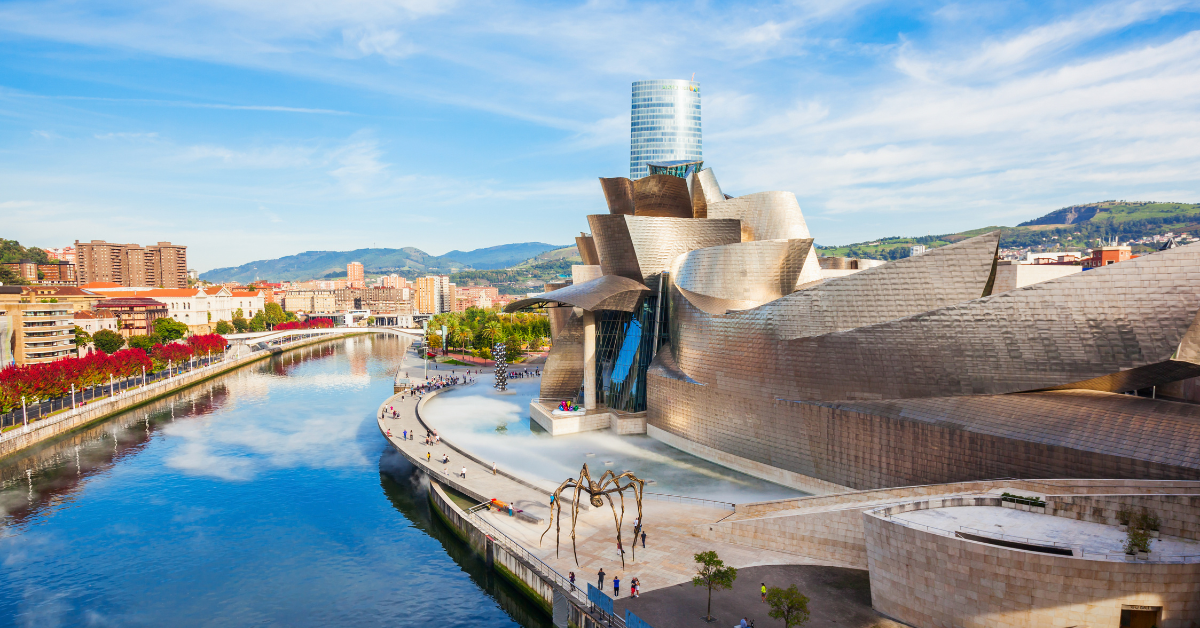
In 1997, the opening of the Guggenheim Museum Bilbao sparked a global conversation about urban regeneration. In Japan, the city came to symbolize how art can revitalize a region, and it continues to be cited as an example of best practice in creative urban policy.
| Aspect | Description |
|---|---|
| Architectural Impact | Visually iconic structure that became a tourist magnet |
| Economic Ripple Effect | Cultural institutions drew millions of visitors annually |
| Urban Transformation | Shift from industrial decline to a thriving cultural hub |
The story of “reviving a city through art” resonates deeply with Japanese urban planners and cultural policymakers, cementing Bilbao’s reputation as a successful model.
Key Factors Behind Bilbao’s Creative City Success
Bilbao’s transformation wasn’t simply the result of building a museum. It was the outcome of a comprehensive city-wide redevelopment, led by collaboration among government, private sector, and citizens.
| Success Factor | Details |
|---|---|
| Public–Private Partnership | Active involvement of businesses and residents in city planning |
| Long-term Vision | A sustainable cultural and development strategy |
| Cultural Identity Redefined | Integration of Basque culture into a modern city brand |
This demonstrates that changing a city’s image requires more than iconic structures—it needs cohesive strategy and community ownership.
Sports as a Pillar of Bilbao’s City Brand
Bilbao’s identity is not built on art alone. Sports, especially football, play a vital role in shaping the city’s image. The city is home to Athletic Club Bilbao, a team known for its unique policy of selecting only Basque players, reinforcing strong regional pride and identity.
| Element | Details |
|---|---|
| Club Name | Athletic Club Bilbao |
| Club Philosophy | Only Basque players, focus on regional development |
| Stadium | San Mamés, located in the city center |
| Connection to Locals | A symbol of civic pride and cultural continuity |
Here, sports are not just entertainment—they are deeply embedded in Bilbao’s cultural and social fabric.
Differences and Similarities with Japanese Regional Cities
Many regional cities in Japan face similar challenges such as population decline and economic stagnation. While Bilbao is often referenced as a model, its approach differs significantly from typical Japanese city planning.
| Comparison Item | Bilbao | Japanese Regional Cities |
|---|---|---|
| Industrial Shift | From heavy industry to art and tourism | Still heavily reliant on primary industries |
| Governance Structure | Public–private cooperation and local ownership | Predominantly government-led |
| Use of Cultural Assets | Basque heritage embedded into city branding | Cultural resources underutilized |
| Civic Engagement | High public participation in development | Limited engagement from local citizens |
Rather than imitating Bilbao, Japanese cities must develop their own creative strategies rooted in local identity and participatory planning.
Sustainability and the Future of the Creative City Model
A creative city isn’t defined by infrastructure or temporary events. It thrives when culture and civic pride are embedded in daily life. Bilbao’s success lies in its systems and long-term thinking, not just in its landmarks.
| Perspective | Factor |
|---|---|
| Strategic Outlook | Urban development guided by multi-decade strategies |
| Education Link | Integration of cultural and sports initiatives in local schools |
| International Collaboration | Active use of global city networks and cultural diplomacy |
This proves that urban regeneration requires sustained effort, systemic planning, and public trust—not just flashy projects.
Conclusion
The name “Bilbao” has no official kanji in Japanese, but it has become synonymous with the idea of a successful creative city. The city exemplifies how art, architecture, and sports can work together to redefine identity, stimulate the economy, and revive civic pride.
From the Guggenheim Museum to Athletic Club Bilbao, every element of the city contributes to a cohesive brand and resilient community. Rather than merely replicating infrastructure, Japanese cities must focus on developing frameworks, visions, and community involvement to build lasting value.
Bilbao teaches us that a city’s transformation is not about what it builds, but how it lives.