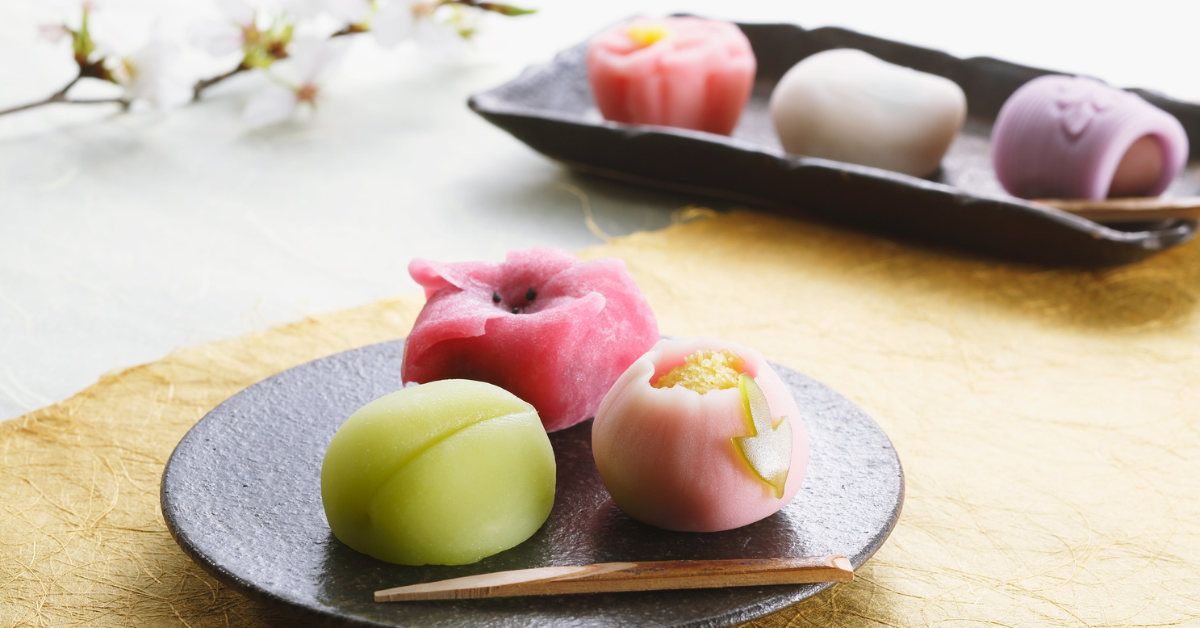


Wagashi are traditional Japanese sweets that captivate with their beautiful appearance and delicate taste. Deeply intertwined with seasonal changes, cultural events, and tea ceremony rituals, they go beyond being simple confections. This article explains in an easy-to-understand manner what Wagashi are, their types, history, cultural value, and modern appeal for those unfamiliar with Japanese traditions.
What Is Wagashi
A Confection Reflecting Japan’s Aesthetic Values
Wagashi are traditional Japanese sweets made from plant-based ingredients such as rice, red beans, agar, and sugar. They do not rely on strong flavors but rather highlight the natural taste and aroma of each ingredient. Their subtle sweetness, seasonal visual themes, and soft textures offer a multi-sensory experience unique to Japanese culture.
A Growing Global Term “Wagashi”
Today, “Wagashi” is increasingly recognized around the world as part of the broader popularity of Japanese cuisine. It fits well with modern wellness trends such as veganism and gluten-free diets. Some foreign chefs are even opening specialty Wagashi stores abroad, showing the global appeal of these traditional sweets.
The Three Main Types of Wagashi
Wagashi can be classified into three major types based on their moisture content and shelf life. The table below outlines their characteristics.
| Type | Features | Popular Examples |
|---|---|---|
| Fresh Sweets | High moisture content, short shelf life, elegant design | Sakura mochi, Nerikiri, Daifuku |
| Semi-dry Sweets | Moderate moisture, lasts a few days | Yokan, Monaka, Uiro |
| Dry Sweets | Low moisture, long-lasting | Rakugan, Konpeito, Senbei |
Wagashi are more than sweets; they offer visual beauty, tactile enjoyment, and emotional depth.
Wagashi and Japan’s Four Seasons
Sweets That Capture the Beauty of Nature
Japan has four distinct seasons, and Wagashi reflect these changes through their ingredients, colors, and shapes. By simply observing and tasting these confections, one can experience the shifting atmosphere of each season.
| Season | Wagashi Examples | Represented Themes |
|---|---|---|
| Spring | Sakura Mochi, Kusa Mochi | Cherry blossoms, fresh greenery |
| Summer | Mizu Manju, Kuzukiri | Coolness, water, refreshing sensations |
| Autumn | Chestnut Yokan, Sweet Potato Yokan | Falling leaves, harvest, warmth |
| Winter | Yukihira Mochi, Camellia Mochi | Snow, tranquility, New Year celebration |
Seasonality is a central element of Japanese sensitivity, embedded in every Wagashi.
Wagashi in the Tea Ceremony
Perfect Harmony with Matcha
Wagashi are essential components of Japanese tea ceremonies. Their sweetness balances the bitterness of matcha, enhancing the overall experience. Every detail, from design to ingredients, is carefully chosen to match the theme and season of each gathering.
| Tea Ceremony Element | Relevance to Wagashi |
|---|---|
| Taste Balance | The contrast between bitter matcha and sweet Wagashi is intentional |
| Aesthetic Harmony | The sweets are chosen to align with seasonal and visual themes |
| “Ichigo Ichie” Spirit | Wagashi embodies the Japanese ideal of treasuring the moment |
Wagashi are not just sweets, but cultural tools to express hospitality and mindfulness.
The History and Evolution of Wagashi
From Ancient China to Modern Japan
Wagashi originated from Chinese sweets called “Tangagashi” in the Nara period. Over time, they evolved to match the preferences and culture of the Japanese people. During the Edo period, sugar became widely available, making Wagashi accessible to commoners and helping the tradition to flourish.
Each region of Japan developed unique varieties, many of which are still loved today as local specialties.
| Era | Wagashi Development Highlights |
|---|---|
| Nara Period | Introduction of fried sweets from China (Tangagashi) |
| Heian Period | Elegant court confections for rituals and celebrations |
| Edo Period | Widespread use of sugar and regional diversification |
| Modern Era | Fusion with Western sweets while preserving tradition |
Top 5 Recommended Wagashi for Foreigners
Easy-to-enjoy favorites for first-timers
Even those unfamiliar with Japanese sweets can find Wagashi they enjoy. Here are five popular types known for their approachability and universal appeal.
| Name | Features |
|---|---|
| Dorayaki | Soft pancakes filled with sweet bean paste; simple and familiar |
| Daifuku | Chewy mochi filled with red bean paste; fun texture and flavor |
| Yokan | Dense jelly-like sweet made from red beans and agar; long-lasting |
| Nerikiri | Elegant sweets shaped like flowers or nature; subtly sweet and artistic |
| Konpeito | Tiny sugar crystals in colorful shapes; long shelf life and unique crunch |
Wagashi offer a gentle introduction to Japanese food culture.
Conclusion
Wagashi embody the spirit, aesthetics, and traditions of Japan in edible form. They are not merely desserts, but a comprehensive cultural experience that includes seasonal awareness, gift-giving customs, and mindful preparation.
Their compatibility with modern health preferences and plant-based diets has also renewed interest both within and outside Japan. From ceremonial rituals to casual enjoyment, Wagashi connects people to Japanese culture in a gentle yet profound way.
Taste the seasons, feel the hospitality, and discover Japan through Wagashi.