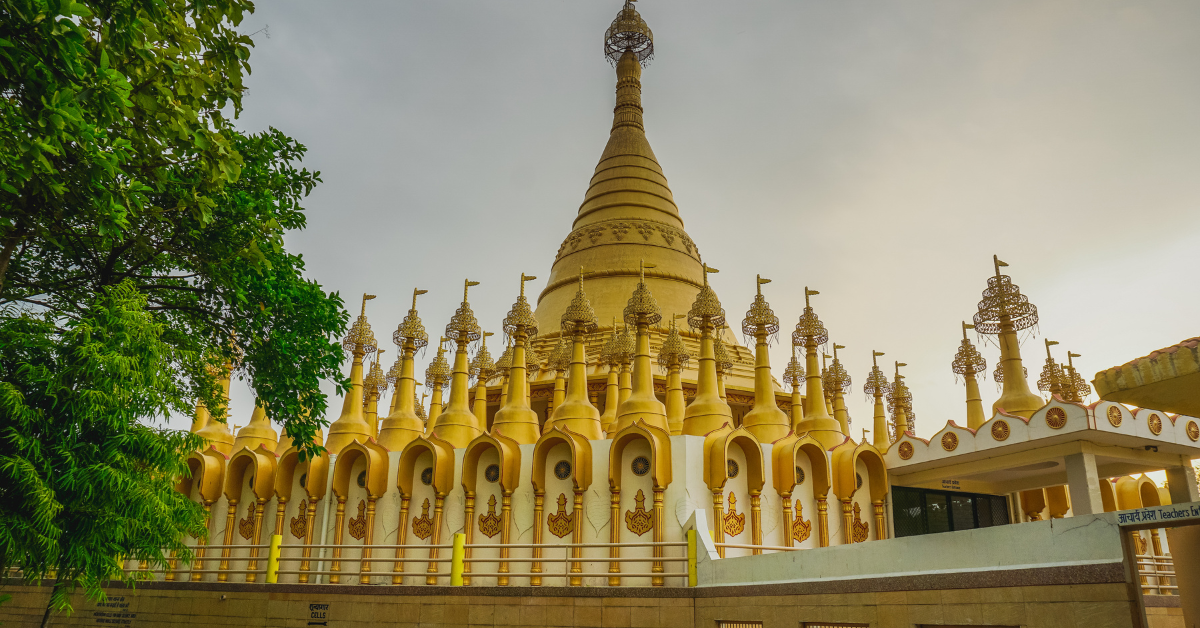


Kanpur is a historic industrial city located in northern India. Once known as “Cawnpore,” this city has grown alongside the sacred Ganges River. As a place where culture, faith, and industry converge, it offers valuable insights and discoveries for Japanese visitors.
What Kind of City Is Kanpur?
Kanpur (Kanpur) is located in northern India in the state of Uttar Pradesh and is widely recognized as a major industrial city. During the British colonial period, it was known as “Cawnpore”, serving as a hub for military production. Today, it is home to industries such as leather goods, textiles, and chemicals, and attracts business professionals from across India and abroad. With a population of over 3 million, Kanpur has established itself as one of India’s key urban centers.
| Category | Details |
|---|---|
| City Name | Kanpur |
| State | Uttar Pradesh |
| Population | Over 3 million |
| Major Industries | Leather, textiles, chemicals, machinery |
| Former Name | Cawnpore |
| Location | Western bank of the Ganges River |
Faith and Everyday Life Rooted in the Ganges River
The Ganges River is considered the holiest river in Hinduism and plays an essential role in the daily lives of Kanpur residents. At dawn, people gather for ritual bathing, while during the day, others wash clothes and fetch water. These scenes reflect a unique blend of religion and everyday life, creating an atmosphere of peace and tradition. For many Japanese visitors, this lifestyle in harmony with nature is particularly fascinating and provides a gateway to deeper cultural understanding.
| Elements of Faith and Life | Description |
|---|---|
| Ritual Bathing | Spiritual purification in the river each morning |
| Religious Sites | Temples and prayer spots along the riverside |
| Cultural Events | Festivals and ceremonies held around the Ganges |
| Coexistence with Nature | The river serves as both a lifeline and sacred space |
What Does the Chinese Character Form “坎普尔” Represent?
In Chinese, Kanpur is written as “坎普尔”, a phonetic transcription based on the city’s pronunciation. The individual characters—”坎” (pit, hardship), “普” (universal, general), and “尔” (you)—are not intended for their meanings but chosen for their phonetic similarity to “Kanpur”. While Japanese generally uses katakana for foreign place names, in Chinese-speaking regions, such transliterated characters are standard practice.
| Writing Method | Example |
|---|---|
| Japanese | カーンプル (Katakana) |
| Historical | カウンプル (Used in old texts) |
| Chinese Simplified | 坎普尔 (Phonetic transliteration) |
| Pinyin | Kǎnpǔěr |
How Do Japanese People Perceive Kanpur?
To many Japanese visitors, the streets of Kanpur may appear chaotic yet vibrant. Automobiles, rickshaws, and even cows share the roads, and busy markets fill the air with the scent of spices. At first glance, it may feel overwhelming, but soon one realizes that there is a rhythm and order beneath the surface.
Locals are known for being friendly and respectful, particularly in situations like asking for directions or negotiating in shops. While the level of personal closeness might feel unfamiliar to Japanese sensibilities, it fosters a sense of warmth and hospitality.
A City Where Sports Thrive
Sports are an essential part of everyday life in Kanpur. Among them, cricket is the most popular, with the city hosting a major venue—Green Park Stadium—where national and international matches are held. Soccer, basketball, and track and field are also widespread, and sports play a key role in education as well.
| Sport | Description |
|---|---|
| Cricket | Local and professional leagues, school-level competitions |
| Soccer | Popular among clubs and universities |
| Athletics | Regular school and city-level competitions |
| Badminton/Table Tennis | Increasing in popularity as indoor sports |
Among younger generations, sports help develop teamwork and social skills, contributing to both physical health and community vitality. The growing focus on well-being has also led to more jogging and yoga events throughout the city.
Economic Growth and International Collaboration
Kanpur is currently experiencing significant economic development. In particular, the manufacturing and IT sectors are expanding, and foreign investment and company presence are increasing. Several Japanese firms have entered the market, and the city is gaining attention as a symbol of Indo-Japanese business partnerships.
Urban planning and modern infrastructure still require further advancement, but thanks to a well-educated workforce and strong labor availability, Kanpur presents great potential as a future market.
Tips for Japanese Visitors to Kanpur
Before visiting, it’s important for Japanese travelers to conduct thorough research and approach local culture with respect. Learning about dress codes, greetings, and religious etiquette will greatly ease communication and enrich the travel experience.
India’s distinct spice culture and traffic dynamics may require some adjustment, but with time, travelers will come to appreciate the city’s unique rhythm and lifestyle, gaining experiences that are difficult to find elsewhere.
Summary of Key Information About Kanpur
| Item | Details |
|---|---|
| City Name | Kanpur |
| Former Name | Cawnpore |
| Chinese Name | 坎普尔 |
| Pinyin | Kǎnpǔěr |
| State | Uttar Pradesh, India |
| Population | Over 3 million |
| Features | Industrial hub, Ganges riverside, sports culture, historical importance |
Conclusion
Kanpur is not just an industrial city. It embodies a rich fusion of religion, culture, economy, and sports, creating a multifaceted urban identity. Life alongside the Ganges offers profound insights into traditions and values that are still very much alive. For Japanese travelers and professionals, it serves as an ideal place to experience multicultural understanding and build international relationships. As Kanpur continues to grow, it will undoubtedly attract greater attention both domestically and globally.