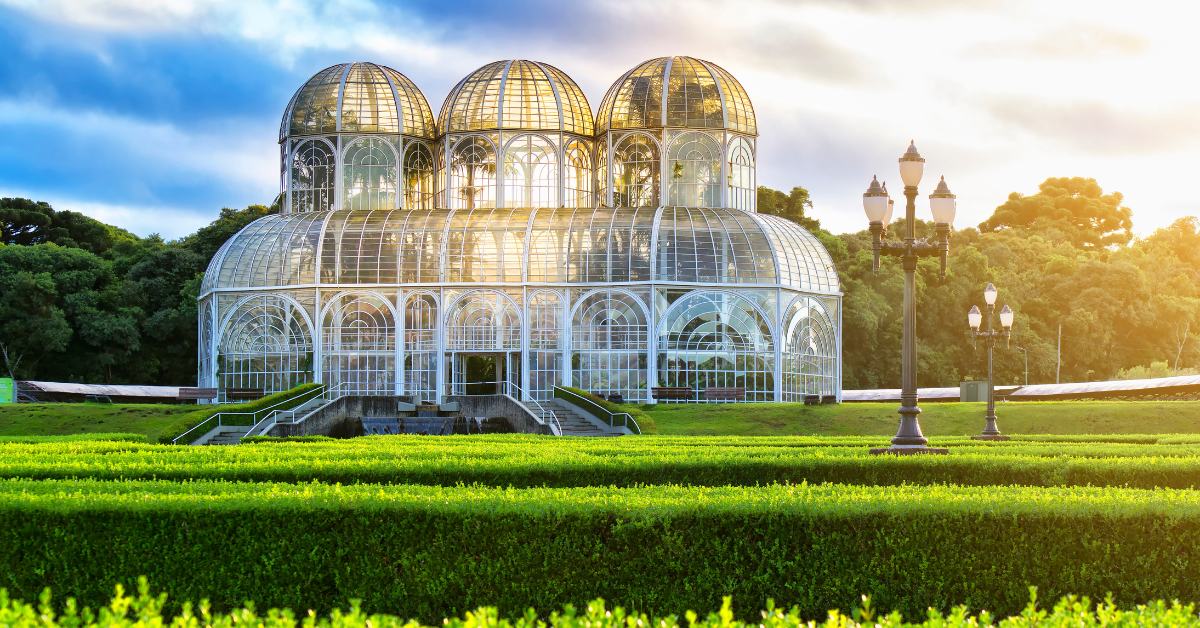

Located in southern Brazil, Curitiba is a globally recognized city for its integration of environmental conservation and advanced urban development. This article explores the background of the kanji representation “庫里奇巴”, the impressions Japanese people have of Curitiba, and the city’s connection with sports culture, offering a comprehensive look at its appeal.
Characteristics of Curitiba
Harmonizing Urban Policies with Society
Curitiba, a mid-sized city with a population of around two million, has gained international acclaim for its innovative urban policies. Among them, the Bus Rapid Transit (BRT) system, introduced in the 1970s, stands out as a revolutionary public transportation model aimed at reducing traffic congestion and environmental impact. It has since been replicated in cities around the world.
Key Urban Initiatives and Their Impacts
| Urban Policy | Description | Effect |
|---|---|---|
| BRT System | Dedicated lanes for high-volume buses | Reduced congestion and CO₂ emissions |
| Green Spaces | Over 20% of city designated as parks | Mitigates heat islands and aids disaster prevention |
| Recycling Programs | Community-based waste separation | Achieved recycling rate of over 70% |
A City Built in Harmony with the Environment
Environmental awareness is deeply embedded in Curitiba’s everyday life. Not only government-led, but each citizen acts with a sense of environmental responsibility. Environmental education is integrated into school curricula, enabling sustainable city management across generations.
The Origin and Use of “庫里奇巴” in Kanji
Phonetic Representation
The term “庫里奇巴” is a Chinese transliteration based on phonetics. In Japan, such a kanji representation is uncommon. The name is typically written as “クリチバ” in katakana, which is a direct phonetic rendering.
Comparative Representations
| Language | Written Form | Description |
|---|---|---|
| Japanese | クリチバ | Standard phonetic katakana |
| Chinese | 庫里奇巴 | Chinese phonetic kanji |
| Portuguese | Curitiba | Official name in the native language |
Why Katakana is the Standard in Japan
In Japan, foreign city names are predominantly written in katakana. The appearance of “庫里奇巴” is extremely rare and limited to specific contexts. This reflects the difference in linguistic approaches between Japanese and Chinese-speaking regions.
How Japanese People Perceive Curitiba
Recognized as a Model of Urban Planning
In Japan, Curitiba is seen as a city where citizens and government collaborate in building the urban environment. Its approach is considered a practical and effective model, particularly studied by municipalities seeking better urban design and redevelopment strategies.
A Sense of Familiarity with an Ideal Image
For many Japanese, Curitiba represents a vision of the future city. Shared challenges such as aging populations and environmental issues are addressed with participatory methods that resonate well. The way nature and urban life coexist harmoniously inspires admiration and study.
Comparison of Perceptions: Japan vs Curitiba
| Category | Curitiba | Typical Japanese Cities |
|---|---|---|
| Urban Planning | Flexible and participatory | Bureaucratic and conservative |
| Environmental Policy | Community-driven and advanced | Varies, mostly government-led |
| Transport Systems | Efficient BRT-based | Heavily rail-dependent, often congested |
Sports Culture and Civic Unity
Soccer as a Pillar of Local Vitality
Like elsewhere in Brazil, soccer is deeply embedded in Curitiba’s civic life. Prominent clubs like Athletico Paranaense and Coritiba FC contribute to the local economy and culture. Stadiums serve as symbols of community pride and interaction.
Health Consciousness Through Sport
The city government also supports health promotion through sports, including fitness events and well-maintained public tracks. These initiatives serve not only as entertainment but as direct improvements to citizens’ quality of life.
Curitiba’s Sports Policies
| Area | Policy | Purpose |
|---|---|---|
| Soccer | Club support, match hosting | Cultural engagement and economic activity |
| Public Health | Jogging paths, community races | Extended healthy lifespan and preventive care |
| School PE | Partnerships with local clubs | Improved youth fitness and social development |
Curitiba’s Global Influence and Future Potential
International Recognition as a Model City
Global institutions like the United Nations and World Bank recognize Curitiba as an embodiment of sustainable urban development. Delegations from cities worldwide visit to study and adopt Curitiba’s policies.
Leading the Path to a Sustainable Society
Curitiba excels in maintaining a balance between development and nature, while also enriching economic and cultural aspects. Its comprehensive and long-term policies across transportation, education, health, and culture have made it a leading global model.
Conclusion
| Aspect | Overview |
|---|---|
| Name Representation | Katakana “クリチバ” in Japanese, “庫里奇巴” in Chinese |
| Environmental Policies | Community-driven programs including BRT, parks, and recycling |
| Japanese Perception | Regarded as an ideal, sustainable city model |
| Sports Culture | Deep-rooted soccer culture and civic wellness programs |
| Global Recognition | The “Curitiba Model” is influential in urban planning worldwide |
Curitiba is a city that should be recognized not just for its name, but for its profound way of functioning. Its collaboration between residents and policymakers, commitment to sustainability, and vibrant sports culture make it a valuable reference for Japanese cities and urban planners seeking a future-ready model.