

The Teotihuacan ruins, a UNESCO World Heritage Site in Mexico, are believed to be the model for the underground ruins where the Pillar Man “Santana” slept in Part 2 of the popular manga JoJo’s Bizarre Adventure. This location, merging fiction and history, has become a destination for passionate fans making their pilgrimage. This article explores why this site is considered the model and reveals the deep connection between the manga and real-world heritage.
What Is the Teotihuacan Ruins?
The Largest Ancient City in Mesoamerica
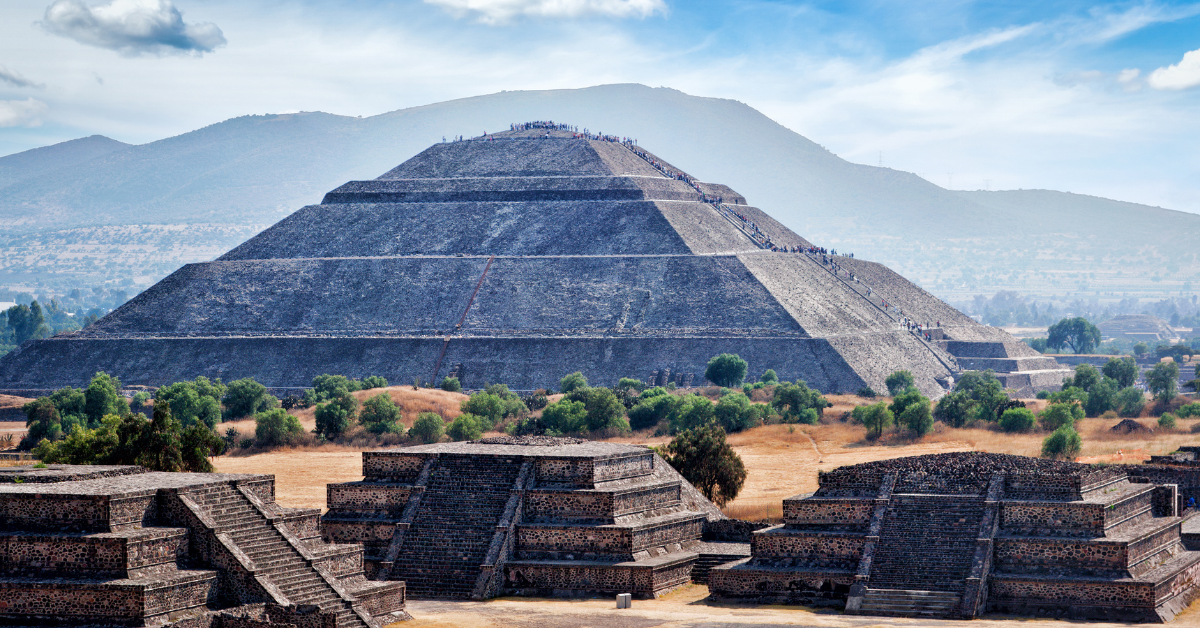
Located about an hour northeast of Mexico City, Teotihuacan was once a flourishing city from before the Common Era to the 6th century. Its name, meaning “City of the Gods”, comes from the Nahuatl language. The impressive stone constructions, such as the Pyramid of the Sun and the Pyramid of the Moon, demonstrate the advanced urban planning and cultural sophistication of the civilization.
| Item | Description |
|---|---|
| Official Name | Teotihuacan Ruins |
| Location | San Juan Teotihuacan, Mexico |
| Cultural Features | Sun worship, blood rituals, astronomical alignment |
| Pyramid Height | Pyramid of the Sun: approx. 65 meters |
| UNESCO World Heritage Site | Designated in 1987 |
Why Fans Believe It’s the Model for Santana’s Tomb
The Parallels Between Manga and Real-World Architecture
In Part 2 of JoJo’s Bizarre Adventure, the Pillar Man “Santana” is introduced as a superhuman being sealed in a stone underground chamber. This depiction closely resembles actual underground tunnels and ritual chambers discovered beneath the Teotihuacan ruins. The mysterious and ceremonial nature of these underground structures has led many fans to believe that Teotihuacan served as the inspiration.
| Comparison | Teotihuacan | Manga Depiction |
|---|---|---|
| Underground Structure | Man-made tunnels and chambers | Sealed chamber where Santana was found |
| Ritual Practice | Blood offerings and sun worship | Pillar Men seen as godlike figures |
| Architecture | Monumental stonework | Massive stone-built spaces |
| Atmosphere | Mysterious and solemn | Eerie and ancient |
Experiencing the Ruins Firsthand and the Fan Perspective
An Atmosphere That Reflects the World of JoJo
Upon visiting, one immediately senses the sacred stillness and scale of the site. Standing in front of the Pyramid of the Moon can feel like stepping into another time. This mirrors the mood of the underground scenes in the manga, creating a powerful emotional connection for fans.
This alignment between fiction and history elevates the ruins to a pilgrimage-worthy destination for JoJo enthusiasts.
| Highlight | Description |
|---|---|
| Avenue of the Dead | Main pathway connecting the pyramids; used for rituals and processions |
| Underground Tunnels | Recently excavated, believed to be ceremonial |
| Mural Decorations | Rich use of red and black, depicting animals and myth |
| Sun and Moon Pyramids | Central religious sites; both accessible to visitors |
Themes Shared by the Pillar Men and Ancient Ruins
Transcendence as a Link Between Fiction and History
The Pillar Men are portrayed as beings beyond human comprehension, possessing immortal bodies and ancient power. Likewise, the Teotihuacan civilization achieved technological feats and spiritual depth far ahead of its time. This thematic overlap of transcendence and mystery resonates deeply with the JoJo storyline.
| Shared Themes | JoJo’s World | Teotihuacan |
|---|---|---|
| Transcendence | Immortal Pillar Men | Monumental knowledge and mystery |
| Silence and Mystery | Enclosed stone tomb | Quiet sacred chambers |
| Connection to the Sun | Ripple energy powered by sunlight | Solar worship and ceremonial design |
| Cultural Weight | Stone Masks and ancient artifacts | Recognized global cultural heritage |
How to Visit and What to Prepare
Practical Travel Tips for Pilgrims and Tourists
When planning a visit, preparation is essential. Despite being a tourist-friendly site, the strong sunlight and vast grounds require advance planning and proper attire.
| Category | Details |
|---|---|
| Access | Direct buses from Mexico City available |
| Travel Time | About 1 hour by bus, 45 minutes by car |
| Sightseeing Duration | 3 to 6 hours recommended |
| Best Time to Visit | Dry season (November to April) |
| Clothing Tips | Hat, sunglasses, breathable long sleeves, walking shoes |
| Food/Water | Small vendors inside; bring your own water |
Conclusion
Teotihuacan is more than a historical site—it is a living extension of JoJo’s universe, giving fans a chance to step into the world of their favorite story. The similarities between the Pillar Man Santana’s tomb and the Teotihuacan underground structures are too strong to ignore.
To visit this place is to experience the intersection of fiction and fact, where imagination meets ancient civilization. This real-world connection enriches the reading experience and transforms admiration into action.
For fans of JoJo’s Bizarre Adventure, Teotihuacan is a sacred place where history and storytelling intertwine—a real adventure in every sense of the word.