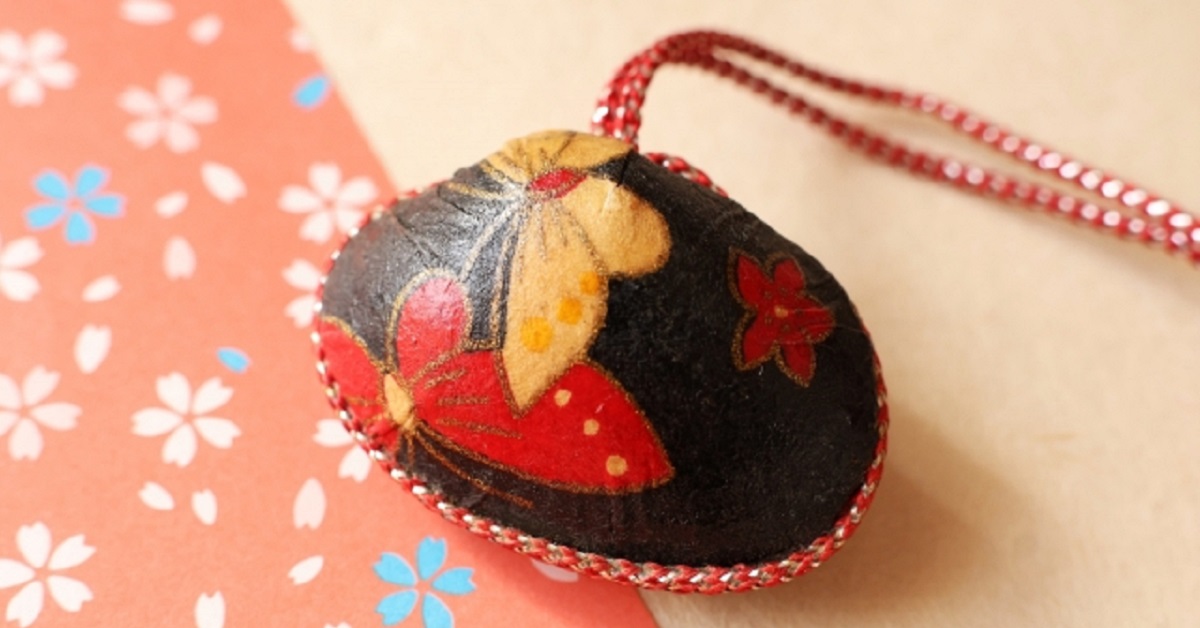


Netsuke, once used in everyday Japanese life, are now cherished as artworks by museums and collectors around the world. Though small enough to fit in the palm of a hand, these intricate carvings embody Japan’s aesthetics and craftsmanship. This article introduces foreigners to the history, structure, artistic value, and modern development of netsuke in an easy-to-understand format.
What is Netsuke?
Netsuke were toggles used with traditional Japanese garments during the Edo period. They fastened small personal items like inro, tobacco pouches, and drawstring bags to the obi (sash) worn with a kimono, which had no pockets. Netsuke were a practical solution for carrying belongings.
Over time, they evolved from purely functional items into carved miniature sculptures of great artistic value. Materials, shapes, carving techniques, and a wide range of motifs came together to form netsuke into symbols of Japanese culture.
| Purpose | Description |
|---|---|
| Practical Function | Used to secure small personal items attached to the kimono sash |
| Material Variety | Wood, ivory, ceramics, metal, deer antler, etc. Varied by region and class |
| Size | Usually 3–5 cm, easy to carry and admire |
| Carving Features | Three-dimensional, realistic, and narrative carving details |
| Structural Elements | Contains holes for stringing, allowing attachment to sash and objects |
The Symbolism Within Netsuke
Beyond their decorative nature, netsuke carried cultural and spiritual meanings. Many motifs conveyed good fortune, moral lessons, or social satire, reflecting the values and mindset of people in their daily lives.
| Symbolic Meanings | Examples |
|---|---|
| Wishes for luck | Maneki-neko (beckoning cat), magic mallets, rice, deities |
| Longevity & health | Cranes, turtles, pine trees, plum blossoms |
| Morality & satire | Drunkards, misers, anthropomorphized animals, merchants |
| Religion & belief | Buddhas, Shinto gods, Yin-Yang symbols, guardian statues |
| Narrative themes | Urashima Taro, Kintaro, Genji Monogatari, Noh plays |
Netsuke and Edo Culture
Netsuke flourished during the Edo period, a time of growing townspeople culture. Even the merchant class embraced personal flair and elegance, seeking to imbue everyday items with uniqueness and style.
| Edo Influence | Description |
|---|---|
| Expanding aesthetics | Even practical items were expected to have artistic appeal |
| Skilled craftsmanship | Specialized carvers emerged, and techniques advanced rapidly |
| Gifts and prestige | Netsuke were used as refined gifts |
| Social conversation | Unusual netsuke served as conversation starters |
Global Recognition of Japanese Netsuke
During the Meiji era, as Japan opened to the world, netsuke captivated Western audiences with their fine detail and humorous charm. Through world fairs and exhibitions, the word “Netsuke” became internationally recognized, and scholars and collectors preserved them in museums and private collections.
| Global Appeal | Description |
|---|---|
| Artistic recognition | Valued as intricate and unique crafts |
| Collector popularity | Booming markets in the U.S. and Europe |
| Academic significance | Used as educational materials in universities and museums |
| Museum exhibitions | Displayed in British Museum, MET, and other major institutions |
Modern Developments in Netsuke
Today, netsuke are no longer practical tools but are gaining renewed attention as art objects and traditional crafts. Emerging artists take bold steps, blending traditional themes with modern ideas, contributing to the global appreciation of netsuke.
| Modern Trends | Description |
|---|---|
| Use of new materials | Resin, recycled materials, composite metals, etc. eco-conscious |
| Contemporary motifs | Anime characters, trains, electronics — reflecting today’s life |
| International artists | Western creators are now also making netsuke |
| Cultural workshops | Hands-on classes for tourists promote cultural exchange |
Netsuke as a Mirror of Japanese Aesthetics and Philosophy
Netsuke embody Japan’s fusion of functionality and beauty. Though practical, they are also rich in narrative, satire, spirituality, and design, reflecting delicate sensitivity and worldview unique to the Japanese people.
| Philosophical Value | Description |
|---|---|
| Aesthetic expression | Tiny carvings packed with ultimate beauty and technique |
| Reflection of humanity | Designs express social life, customs, beliefs, and wit |
| Everyday integration | Illustrates the Japanese essence of beauty in daily life |
| Bridge to the future | Continues to convey timeless value in the modern world |
Conclusion
Netsuke began as everyday tools during the Edo period and have transcended time to become artworks, cultural heritage, and international art icons. Their miniature form belies the depth of meaning, craftsmanship, and creativity they contain.
To view a netsuke is not just to appreciate a carving, but to experience the deeper layers of Japanese culture. As they continue to be collected and studied worldwide, netsuke will no doubt remain a cherished part of Japan’s artistic legacy.