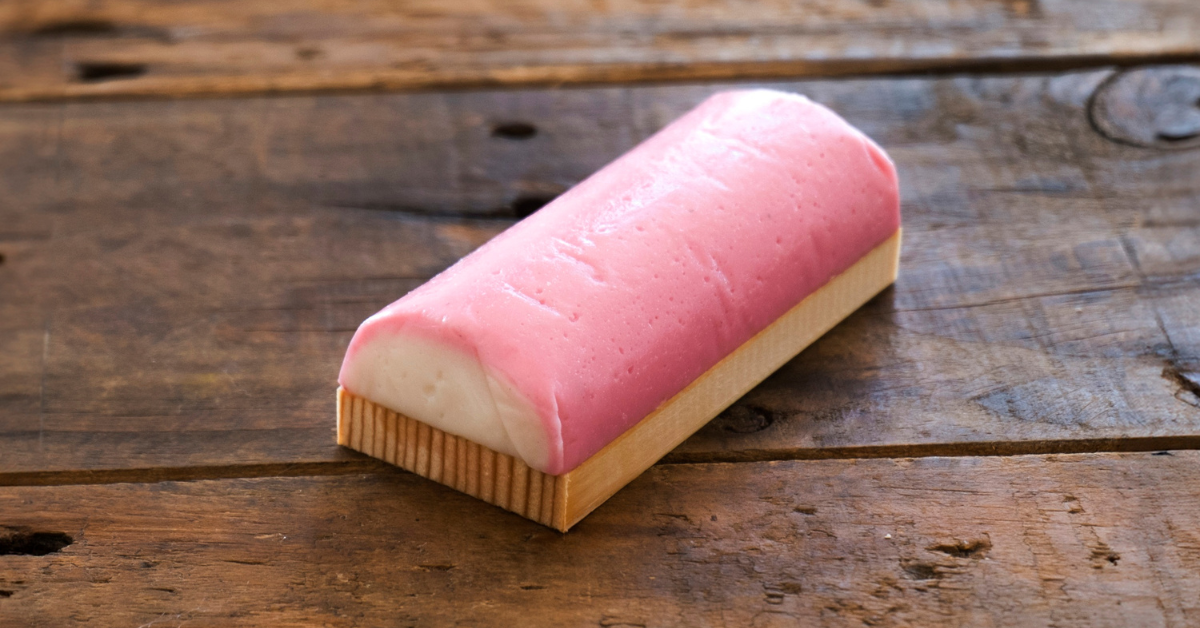


Surimi is one of the signature processed foods in Japanese cuisine and is now gaining popularity not only in Asia but also in Western countries. Made primarily from fish meat, it transforms into various products such as imitation crab (kanikama) and satsuma-age, becoming a staple in households and restaurants worldwide. This article provides a detailed explanation of the definition, ingredients, production, nutrition, popular dishes, and global appeal of surimi.
- What is Surimi? Meaning and Origin
- The Global Spread of the Word “Surimi”
- Main Ingredients and How Surimi is Made
- Traditional Japanese Foods Made from Surimi
- Imitation Crab’s International Popularity
- Nutrition and Health Benefits of Surimi
- Types and Characteristics of Surimi Products
- The Future and Potential of Surimi
- Conclusion
What is Surimi? Meaning and Origin
Surimi refers to a food product made by mincing fish meat, adding salt and seasonings, and kneading the mixture into a paste. In Japanese, “suri” means “to grind,” and “mi” means the edible part of the fish. Thus, “surimi” literally means ground fish meat.
This food has been consumed since the Edo period in Japan and is known by different names and cooking styles depending on the region. For example, in the Kansai area, it is sometimes called “tenpura,” which refers to fried surimi and should not be confused with tempura.
The Global Spread of the Word “Surimi”
Today, the word “Surimi” is used internationally in various languages. It is best known as the base of imitation crab products. As a cost-effective alternative to real crab, surimi provides a similar taste and texture, making it widely accepted across different cultures.
In addition, plant-based surimi alternatives are being developed for vegetarians and those avoiding seafood, expanding the concept of surimi even further.
Main Ingredients and How Surimi is Made
Surimi is typically made using white-fleshed fish that have little odor and a clean taste. Below are some commonly used fish and their characteristics:
| Fish Type | Characteristics |
|---|---|
| Alaska Pollock | Easy to process and globally available |
| Atka Mackerel | Mild flavor and regionally popular |
| Alfonsino | Great for bouncy, chewy texture |
| Hake | Widely used in Europe and South America |
These fish are cleaned, skinned, deboned, and then minced and washed thoroughly with water. They are then blended with salt and other ingredients to create an elastic, white paste. This paste is often frozen to produce “frozen surimi”, which allows for long-term storage and international distribution.
Traditional Japanese Foods Made from Surimi
In Japan, surimi is used to make a wide variety of processed foods enjoyed in daily meals. Below are some typical examples:
| Product Name | Description |
|---|---|
| Kamaboko | Steamed fish cake with a springy texture |
| Hanpen | Soft and airy due to incorporated air |
| Satsuma-age | Sweet, fried surimi with rich aroma |
| Chikuwa | Grilled and tube-shaped, often in bentos |
These items are versatile and widely used in home cooking, bento lunches, and hot pots.
Imitation Crab’s International Popularity
Imitation crab, or kanikama, is a surimi-based product that replicates the appearance and flavor of real crab. Known globally as “Imitation Crab,” it is especially popular for its affordability and satisfying taste.
| Dishes Using Imitation Crab | Countries/Regions |
|---|---|
| California Roll | United States |
| Seafood Salad | France, Germany |
| Pasta with Crab Flavor | Italy |
| Vietnamese Spring Rolls | Southeast Asia |
It is also praised for its high protein and low fat content, making it suitable for vegetarians and halal-friendly meals.
Nutrition and Health Benefits of Surimi
Surimi is valued not only for its versatility but also for its balanced nutrition.
| Nutrient | Approximate Amount per 100g |
|---|---|
| Energy | About 95 kcal |
| Protein | About 14g |
| Fat | About 1.5g |
| Carbohydrate | About 6g |
| Sodium | About 350mg |
It is particularly suitable for people on a diet, those building muscle, elderly people, and children, thanks to its soft texture and easy digestion.
However, commercially available surimi products may include preservatives, food colorings, and added sugar or salt. For health-conscious consumers, checking the ingredient labels is essential.
Types and Characteristics of Surimi Products
Surimi-based foods can be categorized based on their processing and seasoning methods.
| Product Type | Characteristics |
|---|---|
| Steamed Products | Such as kamaboko. Focused on shape and bounce |
| Fried Products | Like satsuma-age. Sweet and aromatic |
| Grilled Products | Like chikuwa. Long shelf life and toasty aroma |
| Frozen Raw Items | For hot pots and soups. Expand during cooking |
With such variety, you can easily select the right surimi product depending on your dish and cooking style.
The Future and Potential of Surimi
Surimi is not just a traditional food; it is now seen as a sustainable ingredient with low environmental impact. Innovations are being made to use underutilized or invasive fish species to make surimi, contributing to waste reduction.
Moreover, surimi is being adopted in school lunches, elderly care meals, and high-protein menus for athletes, showing potential for broader use in different fields.
Conclusion
Surimi is a unique blend of traditional Japanese food culture and modern technology. With its high nutritional value, broad application, and worldwide availability, it is gaining recognition globally.
As it meets modern demands for health-conscious, eco-friendly, and affordable food, surimi is expected to continue growing in popularity across cultures.