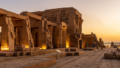

In Belém, a port city in northern Brazil, approximately 3,000 Nikkei (Japanese descendants) live today. The city’s name is written in katakana in Japanese, with no official kanji form. In this article, we explore why this is the case, what kind of place Belém really is, and how it’s perceived by Japanese people — including insights into its culture, tourism, and growing sports scene.
What Is Belém? Understanding Its Japanese Notation and Origins
Why There Is No Kanji for Belém
The name Belém comes from Portuguese, meaning “Bethlehem,” the birthplace of Christ. Due to its strong religious background and unique identity, the name is typically written in katakana in Japanese (ベレン or ベレーン). Translating it into kanji could alter or obscure its intended meaning, which is why phonetic transcription is preferred.
Furthermore, because Belém is not widely recognized in Japan, there has been no significant effort to create a kanji form. This is consistent with how other lesser-known foreign place names are handled—katakana ensures clarity and avoids confusion.
The Image Japanese People Have of Belém
For many Japanese people, the name “Belém” evokes images of the Amazon, jungles, and tropical rainforests. The perception is heavily shaped by nature documentaries and exotic tourism, rather than a clear understanding of Belém as a city.
However, in reality, Belém is a large city with a population of about 1.5 million. It has established infrastructure, including transportation networks, hospitals, educational institutions, and shopping centers.
Here’s a comparison of the common image vs. reality:
| Perspective | Common Japanese Image | Reality in Belém |
|---|---|---|
| Geography | A jungle city | A port city at the Amazon River mouth |
| Infrastructure | Underdeveloped | Well-developed roads and public services |
| Tourism | Dangerous, inaccessible | Markets, churches, historical landmarks |
| Climate | Hot and uncomfortable | Hot and humid but livable |
The Life and Culture of Nikkei Residents in Belém
Population and Background
Approximately 3,000 Nikkei live in Belém today. Most are descendants of Japanese immigrants who arrived in Brazil in the early to mid-20th century. The community has since fully integrated into local society, with third and fourth generations now active across various fields.
| Element | Description |
|---|---|
| Immigration | Began in 1908 with Japanese migration |
| Occupations | Agriculture, retail, food service, education |
| Residency | Dispersed throughout Belém |
| Languages | Portuguese, Japanese (among older residents) |
| Religion | Christianity (Catholic), Buddhism |
Fusion of Local and Japanese Cultures
The Nikkei community in Belém has fostered a unique blend of Japanese and Brazilian cultures. Events like Bon Odori and Tanabata are celebrated with local participation, often combined with samba music and Brazilian cuisine.
Cultural events include:
| Event Name | Description | Timing |
|---|---|---|
| Bon Odori | Mixed with samba performances | August |
| Calligraphy Class | Introduced in local schools | Year-round |
| Japanese Food Fair | Sushi, tempura, takoyaki stalls | Irregular |
| New Year Festival | Mochi pounding, calligraphy | Early January |
Sports Culture in Belém and the Role of Nikkei
Popular Sports and Nikkei Involvement
Like much of Brazil, soccer is the dominant sport in Belém. Local clubs like Remo and Paysandu are deeply rooted in community identity and generate passionate fanbases.
Nikkei residents, while also participating in soccer, have introduced and expanded interest in martial arts such as judo and karate. These are practiced not only within the community but also offered to locals, building bridges through sport.
| Sport | Popularity Level | Nikkei Involvement |
|---|---|---|
| Soccer | Very High | Youth teams, fan support |
| Judo & Karate | Growing | Running dojos, organizing competitions |
| Basketball | Moderate | Participation in school clubs |
| Volleyball | Moderate | Played in schools, amateur events |
Some cultural-sports exchange events also include taiko drumming and Japanese cuisine stalls, helping to connect communities on multiple levels.
Belém as Seen by Japanese Tourists: Expectations vs. Reality
Tourist Impressions and Living Conditions
Japanese tourists tend to associate Belém with Amazon eco-tourism but know little about the everyday life or urban aspects of the city. In truth, Belém has a robust tourism infrastructure, with hotels, restaurants, and transport services.
Safety is a common concern, but tourist areas are relatively safe during the day. Major attractions are well-maintained and welcoming to foreigners.
| Category | Features |
|---|---|
| Attractions | Ver-o-Peso Market, Basilica of Our Lady of Nazareth |
| Cuisine | Açaí, tapioca, seafood, Japanese dishes |
| Transportation | Bus, taxis, ride-hailing apps |
| Accommodation | Hotels, guesthouses, inns |
Conclusion
Belém is a city with no kanji in Japanese, yet it holds deep significance for the 3,000 Nikkei residents who live there. Through culture, sports, and shared traditions, they have become an integral part of the city’s identity. Belém’s vibrant mix of nature and urban life, along with its role in fostering cultural exchange, makes it far more than just a gateway to the Amazon.
For Japanese people unfamiliar with this region, a visit to Belém offers not just sightseeing, but connection, warmth, and discovery. As ties between Belém and Japan continue to grow, there lies great potential for even deeper mutual understanding.