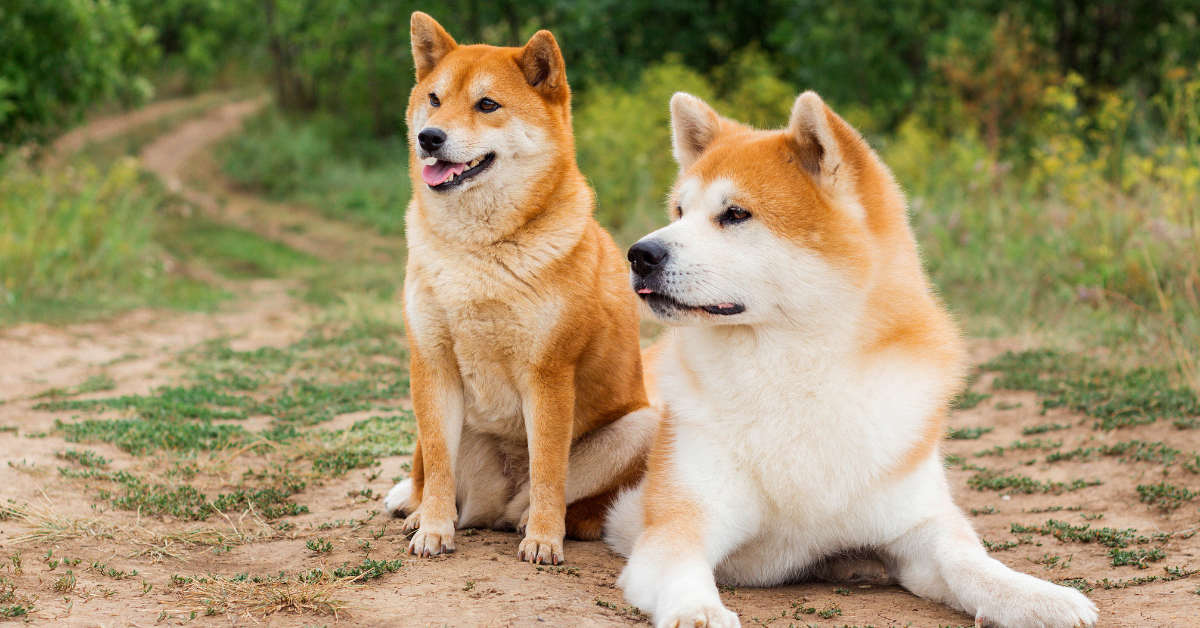


Shiba Inu and Akita Inu are iconic Japanese dog breeds that have gained worldwide attention. The Shiba Inu is known for its cute appearance and loyalty, making it popular globally. The Akita Inu, on the other hand, is admired for its dignified stature and moving story of devotion. This article provides a clear and in-depth explanation of their differences, how to care for them, and why they are loved by people around the world.
What is a Shiba Inu?
A Small, Lively Dog Breed Loved Worldwide
The Shiba Inu is one of the oldest dog breeds in Japan and was originally used as a hunting dog in mountainous areas. With a height of 35–41 cm and a weight of 7–11 kg, the breed is compact and well-suited to urban living. Its appearance features pointed ears, a curled tail, and a fox-like face, all of which make it endearing to many.
Shiba Inus have a strong sense of independence and alertness, but they also display deep loyalty to trusted owners. Globally, the breed is known as “Shiba Inu” and gained massive popularity through the internet meme “Doge” and the cryptocurrency Dogecoin.
What is an Akita Inu?
A Powerful and Calm Breed, a Symbol of Japanese Culture
The Akita Inu is one of the largest dog breeds in Japan, standing at 60–70 cm tall and weighing 30–50 kg. It has historically been used for hunting and guarding. The breed became internationally famous through the story of “Hachiko,” the loyal dog, which captured hearts around the world.
With a calm and composed temperament, Akitas are also known for their strong protective instincts and deep devotion to their family. They are designated as a National Natural Treasure of Japan, and preservation efforts are ongoing.
Akitas have gained international recognition, especially after the Japanese government gifted an Akita named “Yume” to a former Russian president, showcasing their cultural significance.
Shiba Inu vs Akita Inu: Key Differences
| Feature | Shiba Inu | Akita Inu |
|---|---|---|
| Size | Medium | Large |
| Height & Weight | 35–41 cm, 7–11 kg | 60–70 cm, 30–50 kg |
| Temperament | Energetic, alert | Calm, deeply loyal |
| Living Space | Suitable for indoor living | Needs a large, open space |
| Coat | Short, dense double coat | Thick coat, highly weather-resistant |
| Difficulty Level | Moderate to moderately high | Higher (recommended for experienced owners) |
Is This Breed Right for You?
| Category | Shiba Inu | Akita Inu |
|---|---|---|
| For First-Time Owners | Yes, with consistent training | Maybe, better for experienced owners |
| Exercise Needs | 30–60 minutes daily | Over 1 hour of exercise required daily |
| Trainability | Can be stubborn | Needs consistent leadership |
| Socialization | Essential from puppyhood | Crucial to reduce aggressive tendencies |
Why Are These Breeds So Popular Internationally?
| Factor | Shiba Inu | Akita Inu |
|---|---|---|
| Internet Culture | Doge meme, Dogecoin popularity | Featured in movies and documentaries |
| Name Recognition | “Shiba” is globally recognized | “Akita” is also used internationally |
| Unique Appeal | Cute and compact | Symbol of loyalty and devotion |
| Celebrity Ties | Owned by influencers on social media | Gifted to international leaders |
Shiba Inu captivates with its appearance and digital appeal, while Akita Inu moves hearts with its story of loyalty and emotional connection.
Grooming and Coat Comparison
| Feature | Shiba Inu | Akita Inu |
|---|---|---|
| Coat Type | Short, dense double coat | Thick, protective double coat |
| Shedding Seasons | Heavy shedding in spring and autumn | Same seasonal shedding |
| Grooming Frequency | 2–3 brushings per week | 3+ brushings per week recommended |
| Bathing Frequency | Once or twice a month | Monthly, preferably at a large-breed facility |
Both breeds require regular coat maintenance, especially during shedding seasons, to maintain hygiene and comfort indoors.
Training and Compatibility Considerations
Both Shiba and Akita have strong wills, so spoiling them is not advised. Shiba Inu exhibits a sensitive personality with independent streaks, requiring well-timed, firm training. Akita Inu, being larger and stronger, demands early obedience training for proper control.
In terms of household compatibility, Shiba Inu is well-suited for singles or couples, while Akita Inu is better for families who can share caregiving duties. Both can become destructive or excessively vocal if neglected, so building a stable emotional bond is essential.
Conclusion
Shiba Inu and Akita Inu are magnificent dog breeds rooted in Japan’s nature and culture. Shiba Inu captures hearts with its charm and friendliness, while Akita Inu commands respect through its strength and loyalty.
What unites them is their deep devotion to their owners. These Japanese breeds offer more than companionship—they embody tradition, trust, and shared experience.
Before bringing one home, it’s vital to understand their needs, space requirements, daily routines, and personality traits. Choosing a dog that aligns with your lifestyle is key to a fulfilling life together.
Both the Shiba Inu and Akita Inu have the potential to become irreplaceable life partners, offering not just love but also a connection to Japan’s cultural essence.