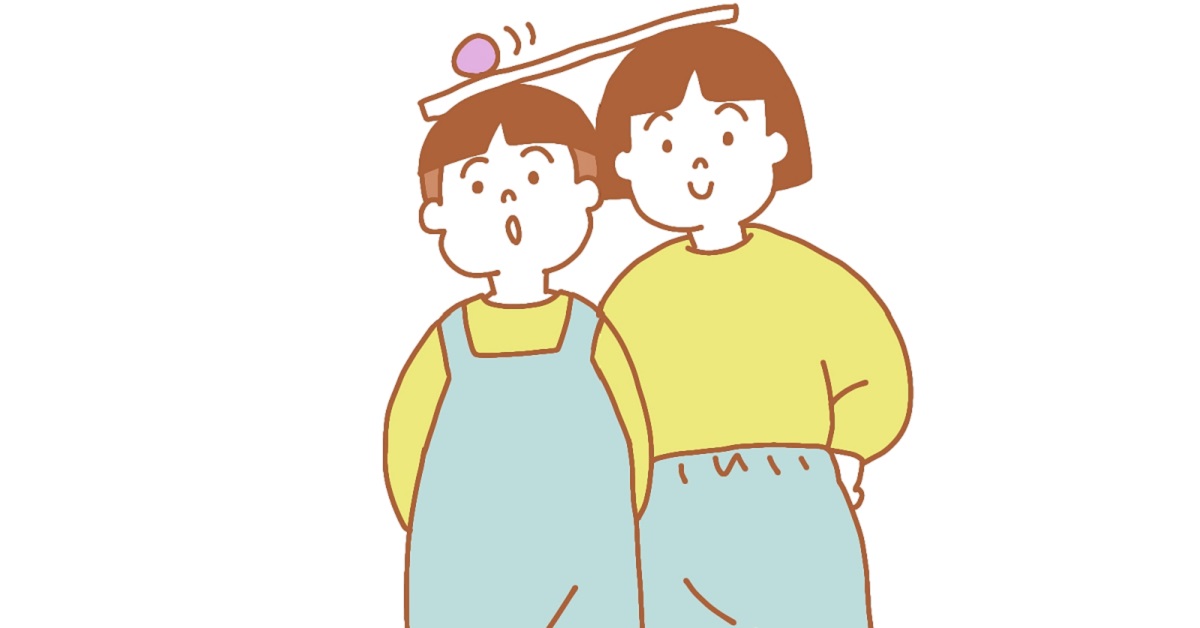


The average physique of Japanese people is generally smaller than that of Westerners, due not only to genetic factors but also to dietary habits, living environments, and historical lifestyle patterns. In this article, we explain five key perspectives to help foreigners understand why Japanese people tend to be smaller. Gaining this understanding will contribute to deeper cultural awareness and mutual respect.
Genetic Characteristics Influence Physical Size
Differences in Bone Structure Between East Asians and Westerners
East Asians, including Japanese, tend to have slimmer and more compact skeletal structures. This difference results from thousands of years of evolutionary adaptation to humid climates and mountainous terrain. These genetic traits influence not only height and weight but also how muscles develop and bones grow.
Comparison of Average Heights
| Country/Region | Average Male Height | Average Female Height |
|---|---|---|
| Japan | About 171 cm | About 158 cm |
| United States | About 177 cm | About 163 cm |
| Netherlands | About 183 cm | About 170 cm |
These figures clearly show that Japanese people are generally shorter than Westerners, although, as we will see, this trend is changing over time.
Differences in Diet and Nutritional Balance
Nutritional Contrast Between Japanese and Western Diets
Traditional Japanese meals are centered on rice and include limited amounts of animal protein and dairy, focusing instead on fish and vegetables. Compared to Western diets, which are often rich in red meat and dairy, Japanese diets historically lacked calcium and vitamin D, nutrients essential for bone development.
Nutrient Intake Comparison
| Nutrient | Traditional Japanese Diet | Traditional Western Diet |
|---|---|---|
| Protein | Moderate (mostly fish) | High (mostly meat) |
| Calcium | Often insufficient | Rich |
| Vitamin D | Limited | Abundant |
| Carbohydrates | High (mainly rice) | High (mainly wheat) |
Such differences suggest that dietary culture has significantly impacted physical growth and bone structure in each region.
Influence of Living Environment and Space
Connection Between Urban Living and Body Size
Japan’s urban infrastructure is often compact and crowded, with limited housing space and densely packed public transport. In such environments, a smaller body is more practical and efficient, reducing physical stress during daily activities. As a result, people naturally adopt movements and postures suited to tighter spaces, influencing long-term physical development.
Living Space and Physical Build
| Aspect | Japan | Western Countries |
|---|---|---|
| Average home size | Less than 90㎡ | More than 150㎡ |
| Commuting method | Walking, trains | Mostly personal vehicles |
| Public spaces | Narrow | Spacious |
From these comparisons, it’s clear that Japanese environments are better suited to smaller physiques.
Historical Labor and Lifestyle Patterns
Body Types Suited for Agricultural Work
Historically, Japan has been an agricultural society, where physical agility and endurance were more valuable than brute strength. In contrast, cultures based on hunting or herding placed greater emphasis on larger, stronger bodies.
Cultural Differences and Body Type Trends
| Cultural Background | Ideal Body Type |
|---|---|
| Farming societies | Small, agile |
| Hunting/herding tribes | Large, muscular |
This long-standing way of life naturally shaped the average body types we see in modern Japanese society.
Recent Trends and Future Outlook
Is the Japanese Physique Still Small?
Since the end of World War II, Japan has undergone major improvements in nutrition, healthcare, and education. As a result, average height among Japanese people has increased steadily. Today, younger generations, especially in urban areas, are often closer in size to their Western peers.
Height Trends Over Time
| Era | Average Male Height | Average Female Height |
|---|---|---|
| 1950s | About 160 cm | About 150 cm |
| 2000s | About 170 cm | About 158 cm |
| Present | About 171 cm | About 158 cm |
Japanese children today benefit from improved nutrition and increased physical activity, resulting in taller and stronger physiques than previous generations.
Factors Affecting Future Growth
| Factor | Trend in Japan |
|---|---|
| Westernized diet | Increasing |
| Sports participation | Becoming more common |
| Medical support | Advanced |
| Living space | Gradually improving |
These factors are expected to influence future changes in the Japanese physique even further.
Conclusion
The perception that Japanese people are small stems from a complex combination of genetics, diet, living conditions, and historical practices. While this trait has been shaped by tradition, modern influences are rapidly changing the average Japanese physique.
Importantly, physical differences should not be viewed as better or worse, but rather as a reflection of cultural diversity. By understanding the reasons behind these traits, we can foster greater mutual respect across cultures.
Asking why Japanese people are smaller is not just a question of biology—it is a doorway to appreciating the rich history and evolving identity of Japan.